Left side delivers the two most dramatic moments of the flight: Mount Fuji on departure and the Dubai skyline on arrival. The left side also tracks closer to the Himalayas during the mid-flight crossing over South Asia, offering distant views of high peaks on clear days.
Flight Path
The route crosses the East China Sea, southern China, then traverses the Indian subcontinent roughly over central India passing near Nagpur and Ahmedabad. The southern Himalayas and Hindu Kush ranges are visible to the north on clear days. The flight crosses the Arabian Sea before descending into Dubai. No significant oceanic stretches — mostly overland across Asia.
Great circle distance and headings ›


.jpg?width=600)
.jpg?width=600)
_and_the_Dubai_skyline_(25781049892).jpg?width=600)
.jpg?width=600)
Phase by phase
Takeoff from HND
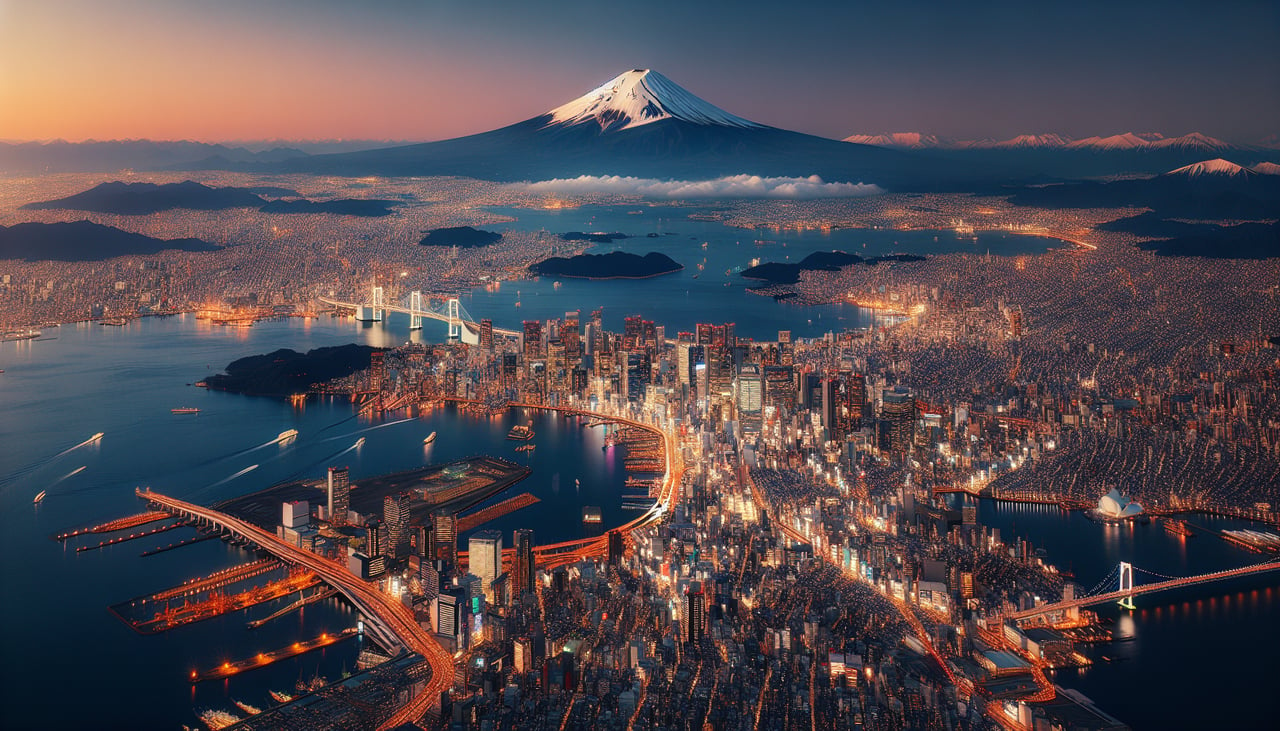
LEFTHND departures heading west or southwest over Tokyo Bay give left-side passengers a clear view of Mount Fuji rising above the Kanto Plain, along with the dense urban sprawl of central Tokyo. Runway 34L/34R departures heading north briefly show the city before banking west, keeping Fuji on the left.
Landing at DXB
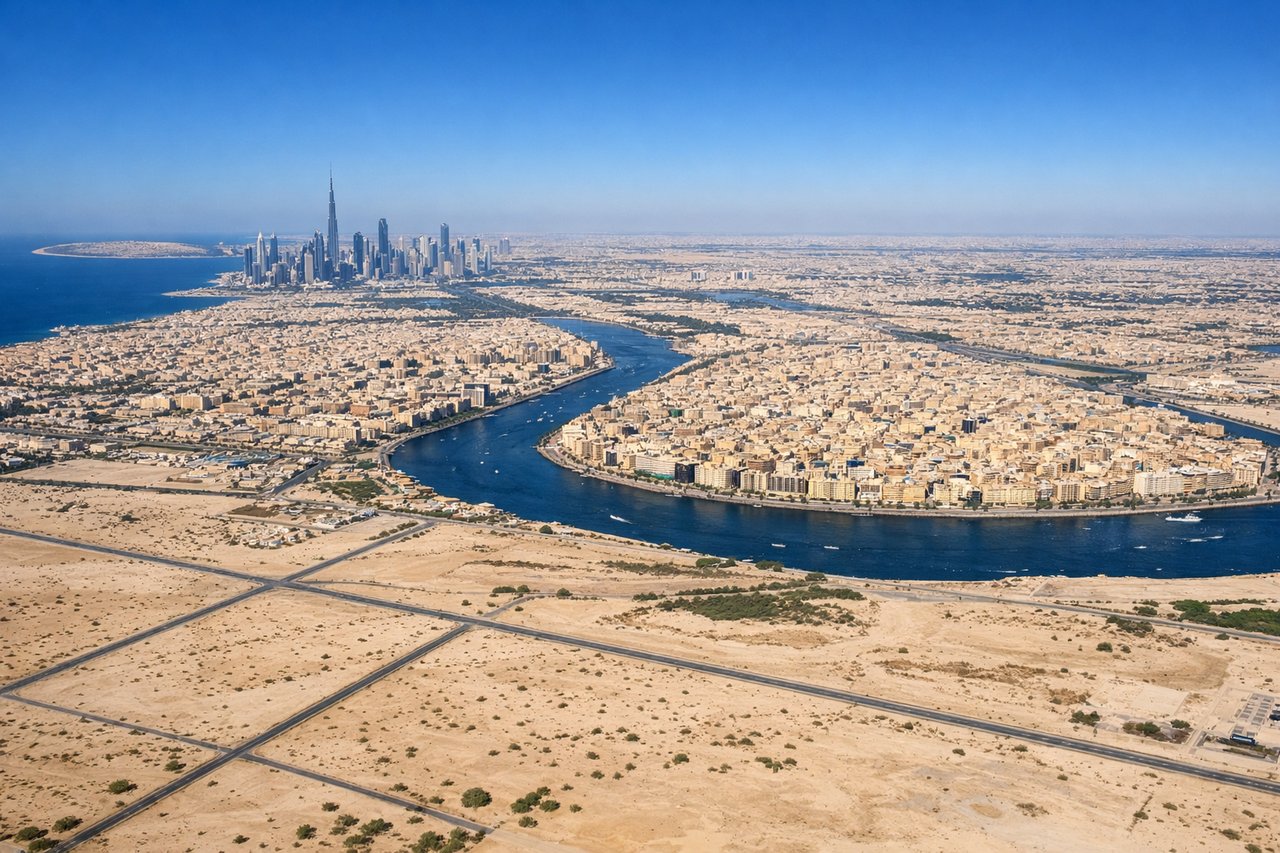
LEFTDubai International's primary arrival runways 12L/12R bring aircraft in from the northwest over the desert, giving left-side passengers a view of Dubai's downtown skyline including the Burj Khalifa, the Creek, and the coastline. Right side faces inland desert with little to see.
Landmarks on this routeAll landmarks →
Will your flight be in sunlight?
See exactly which side of the plane gets sun and shade at your departure time.
About This Route
Which side of the plane should I sit on flying from Tokyo International (HND) to Dubai International (DXB)?
Sit on the Left side of the plane for the best views on flights from Tokyo to Dubai. Left side delivers the two most dramatic moments of the flight: Mount Fuji on departure and the Dubai skyline on arrival. The left side also tracks closer to the Himalayas during the mid-flight crossing over South Asia, offering distant views of high peaks on clear days.
What can I see during takeoff from Tokyo International in Tokyo?
During takeoff from Tokyo International (HND), sit on the Left side for the best views. HND departures heading west or southwest over Tokyo Bay give left-side passengers a clear view of Mount Fuji rising above the Kanto Plain, along with the dense urban sprawl of central Tokyo. Runway 34L/34R departures heading north briefly show the city before banking west, keeping Fuji on the left. Notable sights include: Mount Fuji (3,776m), Tokyo Bay, Yokohama port and waterfront, Kanto Plain urban grid.
What can I see when landing at Dubai International in Dubai?
When landing at Dubai International (DXB), sit on the Left side for the best views. Dubai International's primary arrival runways 12L/12R bring aircraft in from the northwest over the desert, giving left-side passengers a view of Dubai's downtown skyline including the Burj Khalifa, the Creek, and the coastline. Right side faces inland desert with little to see. Notable sights include: Burj Khalifa and Downtown Dubai, Dubai Creek, Palm Jumeirah, The Gulf (Arabian Gulf) coastline.
How long is the flight from Tokyo to Dubai?
The flight from Tokyo International (HND) to Dubai International (DXB) takes Approximately 10 to 11 hours.
What does the Tokyo to Dubai flight path pass over?
The route crosses the East China Sea, southern China, then traverses the Indian subcontinent roughly over central India passing near Nagpur and Ahmedabad. The southern Himalayas and Hindu Kush ranges are visible to the north on clear days. The flight crosses the Arabian Sea before descending into Dubai. No significant oceanic stretches — mostly overland across Asia.