The right side combines the Mt. Fuji and Yokohama climb-out, a southern-facing view over the Gulf of Alaska coast, the Canadian Rockies and the Great Lakes at cruise, and the Manhattan skyline on approach. The left side mostly looks north over open Pacific and the empty Canadian interior, so it scores slightly lower.
Flown HND to LGA? Did we get it right?
Flight Path
Tokyo to New York is 6,747 miles (10,858 km), a flight of about 12 hours 40 minutes.
Typical eastbound routing leaves Japan over the north Pacific, passes near the Aleutians and the southern Alaska coast (the Gulf of Alaska and the Chugach and Wrangell mountains are on the right), then crosses the Yukon and Canadian Rockies and the prairies of Alberta and Saskatchewan. It continues over the Great Lakes (Lake Superior and Lake Huron are on the right), Ontario and upstate New York before the descent into New York.
Great circle distance and headings ›


Phase by phase
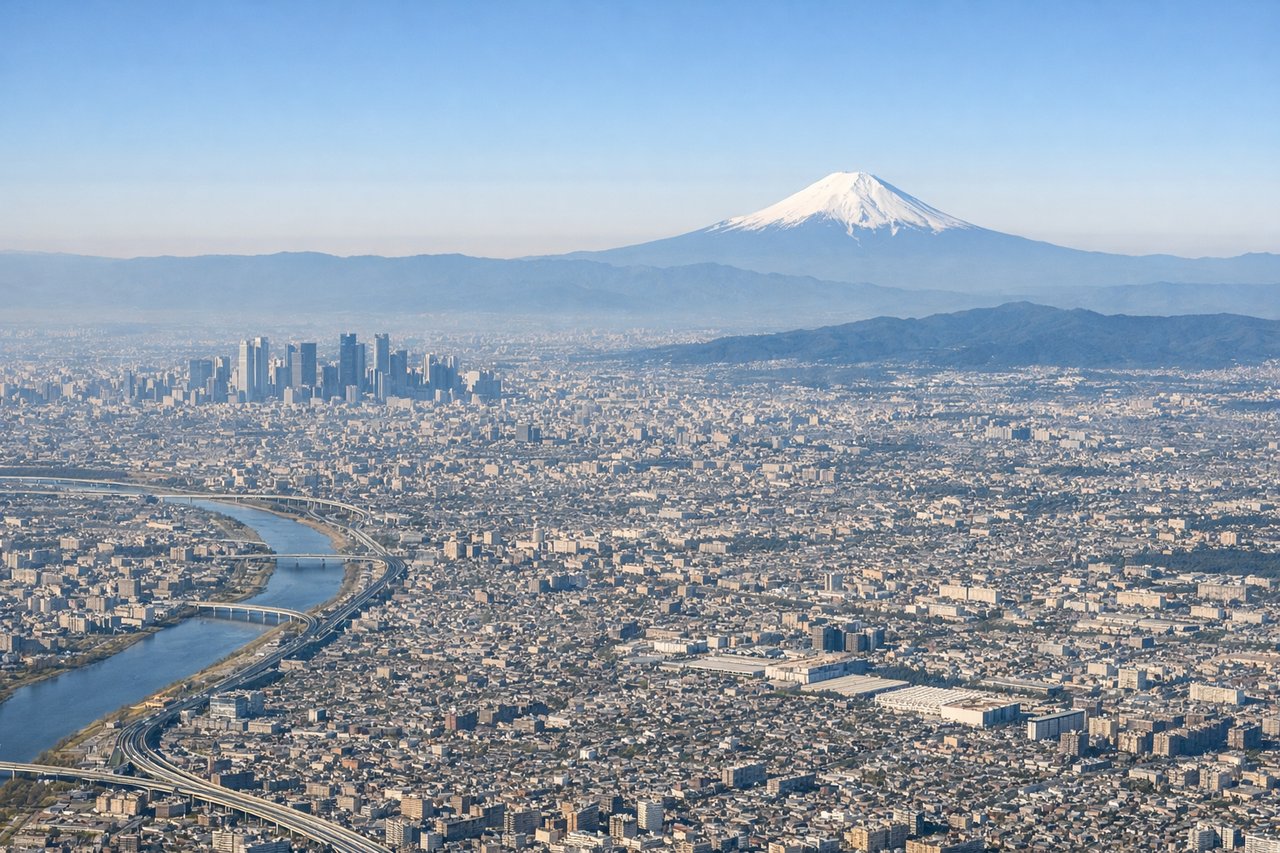
Takeoff from HND
RIGHTAssuming a south-flow departure on 16R, the jet climbs out over Tokyo Bay heading SSE, and right-side windows face WSW toward Yokohama, the Miura Peninsula and the Tanzawa Mountains. Mt. Fuji sits on the distant horizon on a clear day. After the left turn toward the Pacific, the left side gets Tokyo Bay and the Chiba shoreline, which is good but less dramatic.
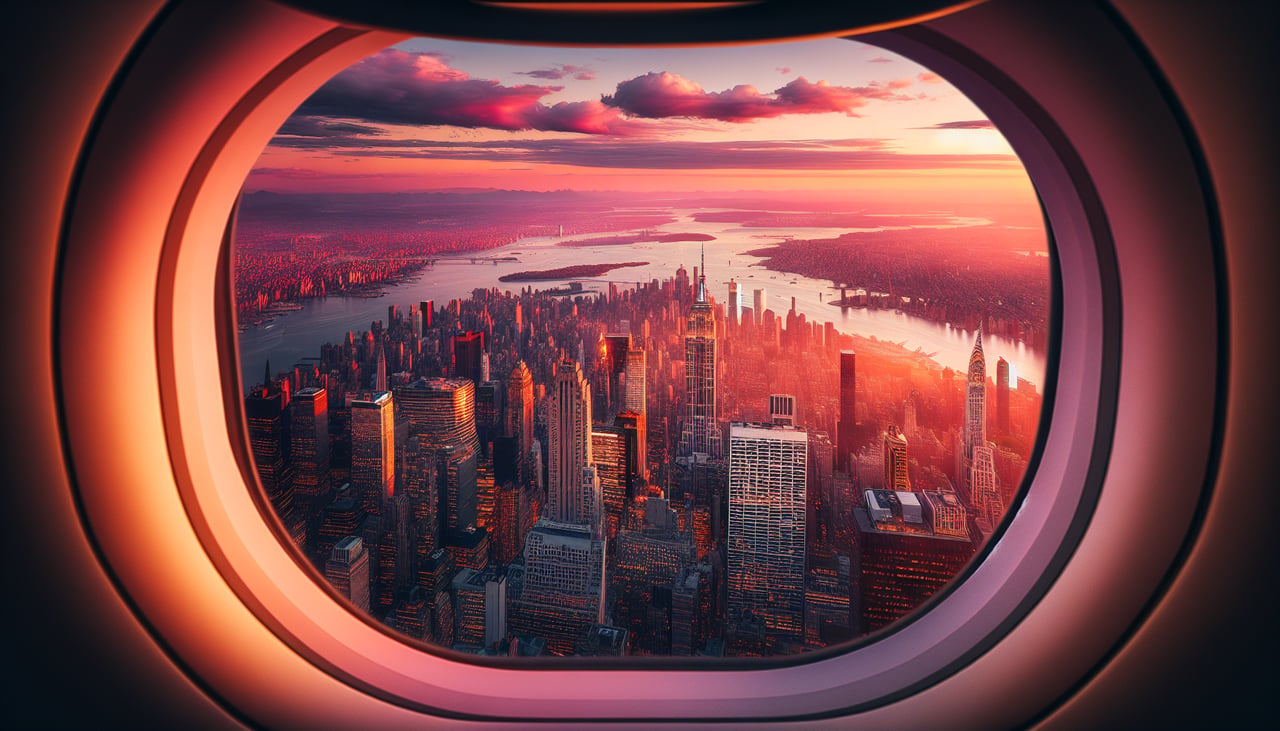
Landing at LGA
RIGHTOn the common runway 13 approach from the northwest, the jet comes in over the Hudson and the Bronx and turns onto final heading ESE. Right-side windows look SSW straight at the Manhattan skyline, with Central Park and the Hudson in view. The left side only sees Bronx and Queens neighborhoods and Long Island Sound.
Will your flight be in sunlight?
Pick a date and time in the Sun Map to watch the sun move across your whole flight.
About This Route
Which side of the plane should I sit on flying from Tokyo International (HND) to La Guardia (LGA)?
Sit on the Right side of the plane for the best views on flights from Tokyo to New York. The right side combines the Mt. Fuji and Yokohama climb-out, a southern-facing view over the Gulf of Alaska coast, the Canadian Rockies and the Great Lakes at cruise, and the Manhattan skyline on approach. The left side mostly looks north over open Pacific and the empty Canadian interior, so it scores slightly lower.
What can I see during takeoff from Tokyo International in Tokyo?
During takeoff from Tokyo International (HND), sit on the Right side for the best views. Assuming a south-flow departure on 16R, the jet climbs out over Tokyo Bay heading SSE, and right-side windows face WSW toward Yokohama, the Miura Peninsula and the Tanzawa Mountains. Mt. Fuji sits on the distant horizon on a clear day. After the left turn toward the Pacific, the left side gets Tokyo Bay and the Chiba shoreline, which is good but less dramatic. Notable sights include: Mount Fuji (distant), Yokohama waterfront and Minato Mirai, Miura Peninsula, Tanzawa Mountains.
What can I see when landing at La Guardia in New York?
When landing at La Guardia (LGA), sit on the Right side for the best views. On the common runway 13 approach from the northwest, the jet comes in over the Hudson and the Bronx and turns onto final heading ESE. Right-side windows look SSW straight at the Manhattan skyline, with Central Park and the Hudson in view. The left side only sees Bronx and Queens neighborhoods and Long Island Sound. Notable sights include: Midtown Manhattan and the Empire State Building, Central Park, Hudson River and George Washington Bridge, East River.
How long is the flight from Tokyo to New York?
The flight from Tokyo International (HND) to La Guardia (LGA) takes about 12 hours 40 minutes. The shortest flight path between them is 6,747 miles (10,858 km); winds and air traffic control usually add a few percent.
What does the Tokyo to New York flight path pass over?
Typical eastbound routing leaves Japan over the north Pacific, passes near the Aleutians and the southern Alaska coast (the Gulf of Alaska and the Chugach and Wrangell mountains are on the right), then crosses the Yukon and Canadian Rockies and the prairies of Alberta and Saskatchewan. It continues over the Great Lakes (Lake Superior and Lake Huron are on the right), Ontario and upstate New York before the descent into New York.