Right-side seats offer superior scenery on departure with Mount Fuji and Tokyo Bay, while left-side seats provide good landing views. However, the takeoff experience from HND is more visually distinctive and memorable, making right the overall recommendation for this route.
Flight Path
The flight path crosses the Philippine Sea, passing east of the Izu Islands and Ogasawara Islands (visible on clear days from altitude), then continues south across open ocean. The route crosses the Tropic of Cancer and passes west of Guam. As the aircraft approaches Australian airspace, the Coral Sea and Great Barrier Reef region lie to the west (not directly on the flight path). The descent into Melbourne brings views of the Australian mainland, with the Great Dividing Range visible inland to the west during approach.
Great circle distance and headings ›

Phase by phase
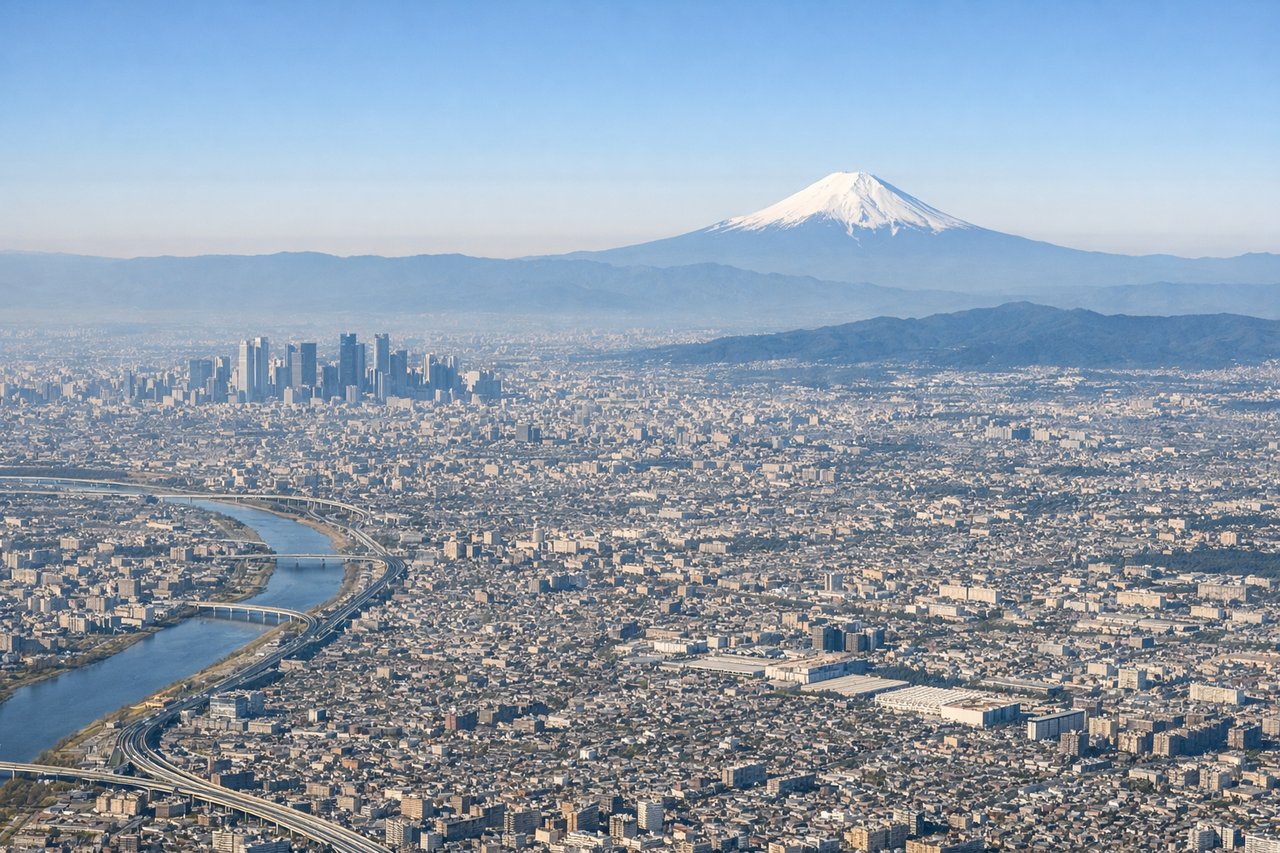
Takeoff from HND
RIGHTRight-side seats offer views of Tokyo Bay, the Kanto Plain, and Mount Fuji during the initial climb-out. Aircraft depart HND to the east or southeast over the bay before turning south, giving right-seat passengers the best sightlines of these iconic features.
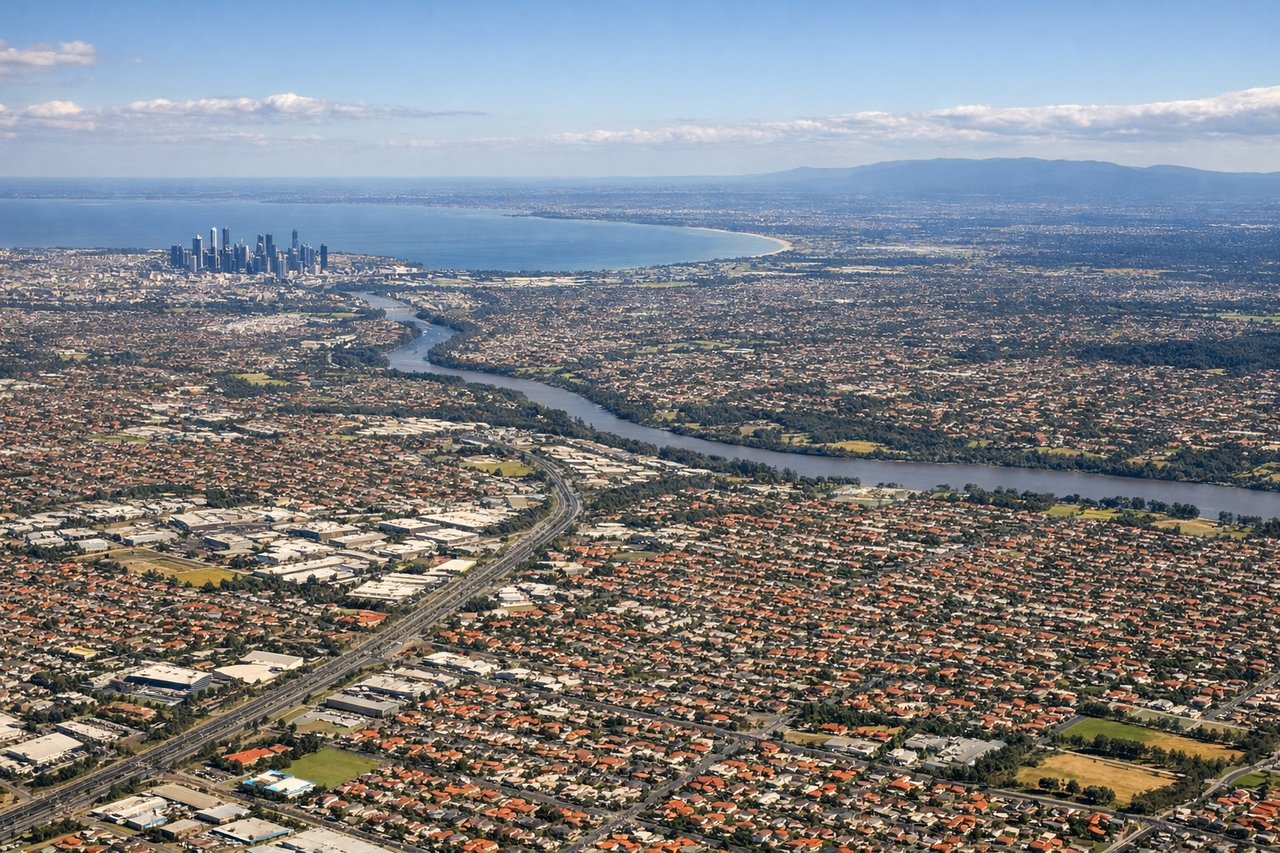
Landing at MEL
LEFTLeft-side seats provide views of the Dandenong Ranges and Port Phillip Bay during approach to Melbourne. Aircraft typically descend from the northwest, giving left-seat passengers clear sightlines of these major geographical features as they approach the airport.
Landmarks on this routeAll landmarks →
Will your flight be in sunlight?
See exactly which side of the plane gets sun and shade at your departure time.
About This Route
Which side of the plane should I sit on flying from Tokyo International (HND) to Melbourne International (MEL)?
Sit on the Right side of the plane for the best views on flights from Tokyo to Melbourne. Right-side seats offer superior scenery on departure with Mount Fuji and Tokyo Bay, while left-side seats provide good landing views. However, the takeoff experience from HND is more visually distinctive and memorable, making right the overall recommendation for this route.
What can I see during takeoff from Tokyo International in Tokyo?
During takeoff from Tokyo International (HND), sit on the Right side for the best views. Right-side seats offer views of Tokyo Bay, the Kanto Plain, and Mount Fuji during the initial climb-out. Aircraft depart HND to the east or southeast over the bay before turning south, giving right-seat passengers the best sightlines of these iconic features. Notable sights include: Tokyo Bay, Mount Fuji (Fuji-san), Kanto Plain urban sprawl, Izu Peninsula.
What can I see when landing at Melbourne International in Melbourne?
When landing at Melbourne International (MEL), sit on the Left side for the best views. Left-side seats provide views of the Dandenong Ranges and Port Phillip Bay during approach to Melbourne. Aircraft typically descend from the northwest, giving left-seat passengers clear sightlines of these major geographical features as they approach the airport. Notable sights include: Dandenong Ranges, Port Phillip Bay, Yarra River valley, Melbourne CBD skyline.
How long is the flight from Tokyo to Melbourne?
The flight from Tokyo International (HND) to Melbourne International (MEL) takes 7h 50m.
What does the Tokyo to Melbourne flight path pass over?
The flight path crosses the Philippine Sea, passing east of the Izu Islands and Ogasawara Islands (visible on clear days from altitude), then continues south across open ocean. The route crosses the Tropic of Cancer and passes west of Guam. As the aircraft approaches Australian airspace, the Coral Sea and Great Barrier Reef region lie to the west (not directly on the flight path). The descent into Melbourne brings views of the Australian mainland, with the Great Dividing Range visible inland to the west during approach.