Right-side seats offer the most compelling views at both ends of the flight: Mount Fuji during departure and the Vistula River valley plus Warsaw during arrival. The left side provides only ocean and featureless plains.
Flown HND to WAW? Did we get it right?
Flight Path
Tokyo to Warsaw is 5,346 miles (8,603 km), a flight of about 11 hours 35 minutes.
The flight path crosses the Eurasian landmass west-northwest from Tokyo. Notable features include the Japanese Alps and Sea of Japan coast during initial climb; the Korean Peninsula and Yellow Sea; the North China Plain and Great Wall regions; the Gobi Desert and Mongolian steppes; the Ural Mountains marking the Europe-Asia boundary; the West Siberian Plain; and finally the Eastern European Plain before descent into Warsaw. The route typically passes north of the Caucasus and south of the Arctic Circle.
Great circle distance and headings ›

Phase by phase
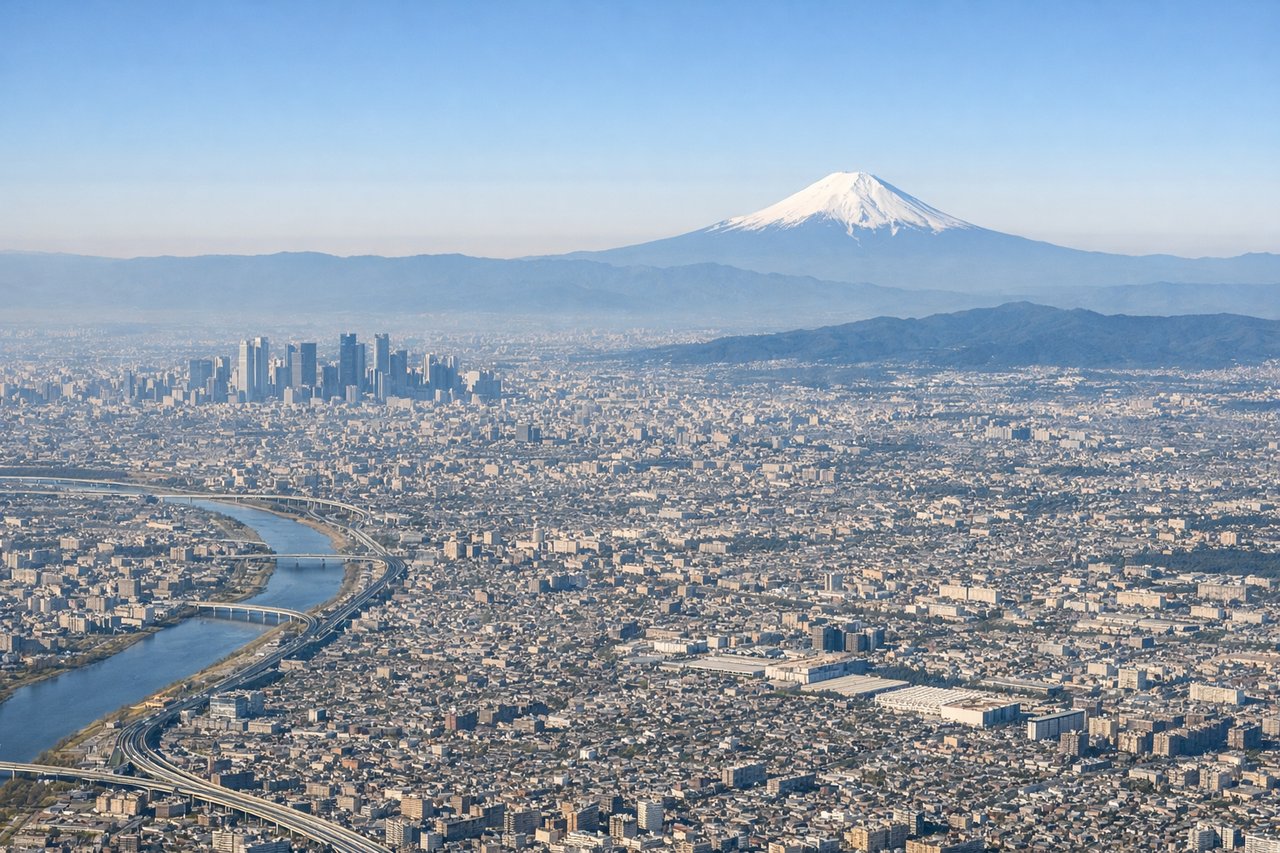
Takeoff from HND
RIGHTRight-side seats offer views of Tokyo Bay, the Kanto Plain extending inland, and on clear days, the distant silhouette of Mount Fuji (Fujisan) to the west-southwest. Left side faces the Pacific Ocean with minimal landmarks.
Landing at WAW
RIGHTRight-side seats provide views of the Vistula River valley, Warsaw's urban center, and the surrounding lowland plains as you descend into Okecie. Left side faces agricultural flatlands with fewer distinctive features.
Will your flight be in sunlight?
Pick a date and time in the Sun Map to watch the sun move across your whole flight.
About This Route
Which side of the plane should I sit on flying from Tokyo International (HND) to Okecie (WAW)?
Sit on the Right side of the plane for the best views on flights from Tokyo to Warsaw. Right-side seats offer the most compelling views at both ends of the flight: Mount Fuji during departure and the Vistula River valley plus Warsaw during arrival. The left side provides only ocean and featureless plains.
What can I see during takeoff from Tokyo International in Tokyo?
During takeoff from Tokyo International (HND), sit on the Right side for the best views. Right-side seats offer views of Tokyo Bay, the Kanto Plain extending inland, and on clear days, the distant silhouette of Mount Fuji (Fujisan) to the west-southwest. Left side faces the Pacific Ocean with minimal landmarks. Notable sights include: Tokyo Bay, Kanto Plain urban sprawl, Mount Fuji (distant), Boso Peninsula.
What can I see when landing at Okecie in Warsaw?
When landing at Okecie (WAW), sit on the Right side for the best views. Right-side seats provide views of the Vistula River valley, Warsaw's urban center, and the surrounding lowland plains as you descend into Okecie. Left side faces agricultural flatlands with fewer distinctive features. Notable sights include: Vistula River, Warsaw city center, Masovian Plain, Okecie Airport approach.
How long is the flight from Tokyo to Warsaw?
The flight from Tokyo International (HND) to Okecie (WAW) takes about 11 hours 35 minutes. The shortest flight path between them is 5,346 miles (8,603 km); winds and air traffic control usually add a few percent.
What does the Tokyo to Warsaw flight path pass over?
The flight path crosses the Eurasian landmass west-northwest from Tokyo. Notable features include the Japanese Alps and Sea of Japan coast during initial climb; the Korean Peninsula and Yellow Sea; the North China Plain and Great Wall regions; the Gobi Desert and Mongolian steppes; the Ural Mountains marking the Europe-Asia boundary; the West Siberian Plain; and finally the Eastern European Plain before descent into Warsaw. The route typically passes north of the Caucasus and south of the Arctic Circle.