The left side wins because it captures the flight's best sequential highlights: Istanbul's Bosphorus at departure, the Red Sea coastline and Ethiopian highlands at cruise, and an up-close view of Mount Kilimanjaro on final approach — a level of terrain drama the right side, dominated by desert and plains, can't match.
Flight Path
Nile River and Cairo, the Red Sea coastline, Ethiopian Highlands, the Kenyan Rift Valley with Lake Turkana and Lake Naivasha visible in clear conditions
Great circle distance and headings ›_in_Istanbul.jpg?width=600)
.jpg?width=600)


Phase by phase
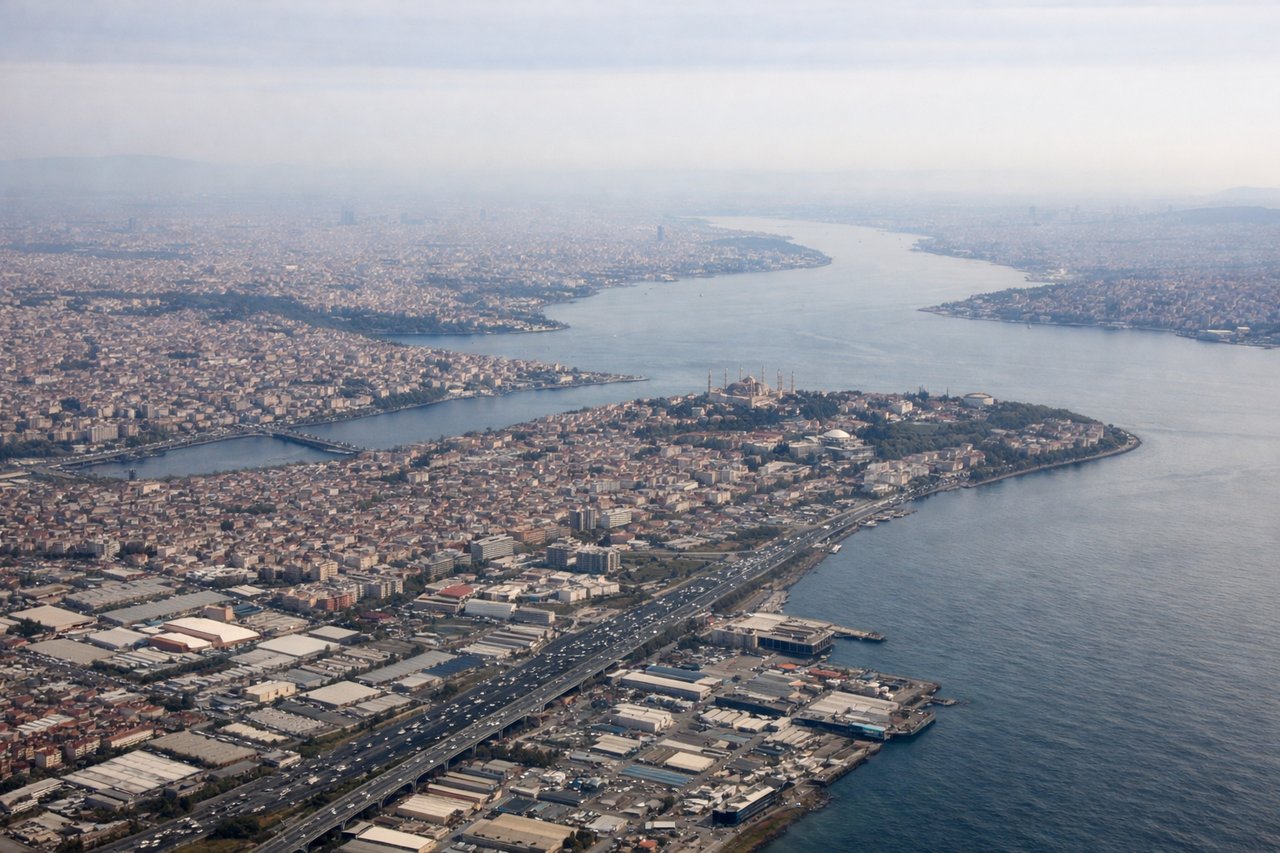
Takeoff from IST
LEFTDeparting IST southbound, the left (east-facing) side gives a good look at the Bosphorus mouth and the Asian side of Istanbul before the aircraft climbs over the Sea of Marmara. It's a brief but genuinely scenic urban/water view compared to the flatter European hinterland on the right.

Landing at JRO
LEFTOn approach into JRO from the west, the left side of the aircraft faces north, giving passengers a close, dramatic view of Mount Kilimanjaro's snow-capped summit and the surrounding forested slopes just before touchdown. The right side only shows the flatter Maasai plains.
Landmarks on this routeAll landmarks →
Will your flight be in sunlight?
See exactly which side of the plane gets sun and shade at your departure time.
About This Route
Which side of the plane should I sit on flying from İstanbul Airport (IST) to Kilimanjaro International (JRO)?
Sit on the Left side of the plane for the best views on flights from Istanbul to Kilimanjaro. The left side wins because it captures the flight's best sequential highlights: Istanbul's Bosphorus at departure, the Red Sea coastline and Ethiopian highlands at cruise, and an up-close view of Mount Kilimanjaro on final approach — a level of terrain drama the right side, dominated by desert and plains, can't match.
What can I see during takeoff from İstanbul Airport in Istanbul?
During takeoff from İstanbul Airport (IST), sit on the Left side for the best views. Departing IST southbound, the left (east-facing) side gives a good look at the Bosphorus mouth and the Asian side of Istanbul before the aircraft climbs over the Sea of Marmara. It's a brief but genuinely scenic urban/water view compared to the flatter European hinterland on the right. Notable sights include: Bosphorus Strait, Sea of Marmara, Asian Istanbul suburbs, Prince Islands.
What can I see when landing at Kilimanjaro International in Kilimanjaro?
When landing at Kilimanjaro International (JRO), sit on the Left side for the best views. On approach into JRO from the west, the left side of the aircraft faces north, giving passengers a close, dramatic view of Mount Kilimanjaro's snow-capped summit and the surrounding forested slopes just before touchdown. The right side only shows the flatter Maasai plains. Notable sights include: Mount Kilimanjaro summit and glaciers, Kibo and Mawenzi peaks, Kilimanjaro's forested lower slopes, Sanya Plains.
How long is the flight from Istanbul to Kilimanjaro?
The flight from İstanbul Airport (IST) to Kilimanjaro International (JRO) takes 6h 30m.
What does the Istanbul to Kilimanjaro flight path pass over?
Nile River and Cairo, the Red Sea coastline, Ethiopian Highlands, the Kenyan Rift Valley with Lake Turkana and Lake Naivasha visible in clear conditions