The left side wins overall. The Reykjanes departure is genuinely dramatic with volcanic coastline and Faxaflói Bay, and crucially the left side also tracks the Scottish Highlands, the North Sea coastline, and the Rhine valley during the cruise portion of the flight. The Munich landing view on the right is excellent but shorter in duration.
Flight Path
The route crosses the North Atlantic south of the Faroe Islands, then tracks over the Scottish Highlands and northern England, crosses the English Channel or the Netherlands, follows the Rhine valley southward through Germany, and descends over the Bavarian plateau toward Munich. The Scottish Highlands and Rhine valley are the most visually distinctive cruise-altitude features.
Great circle distance and headings ›Phase by phase
Takeoff from KEF
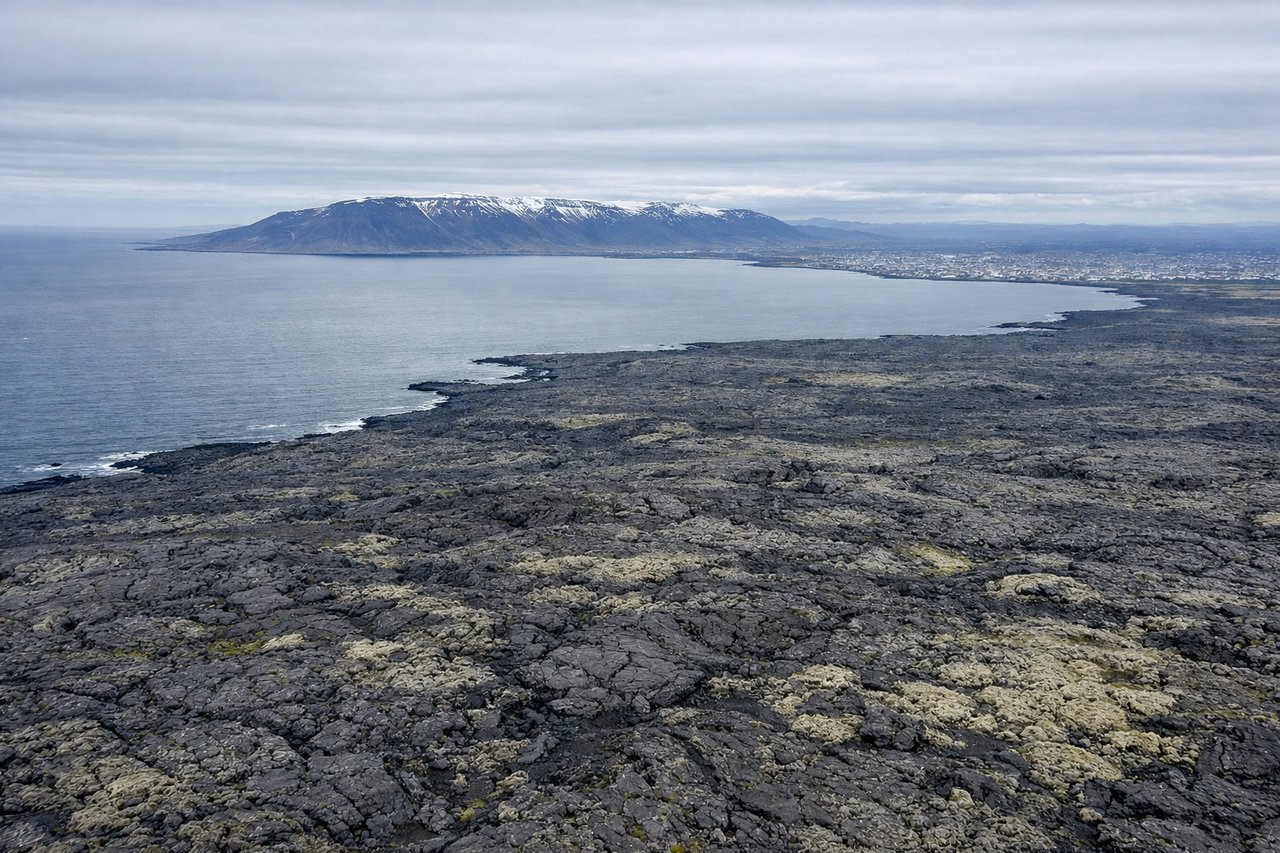
LEFTKeflavik typically departs eastward on runway 10, so the left (north) side gives you a view back over the Reykjanes Peninsula lava fields and Faxaflói Bay. You'll see the dark volcanic coastline contrasting with the North Atlantic, and on clear days Reykjavik and Mount Esja are visible to the northeast.
Landing at MUC
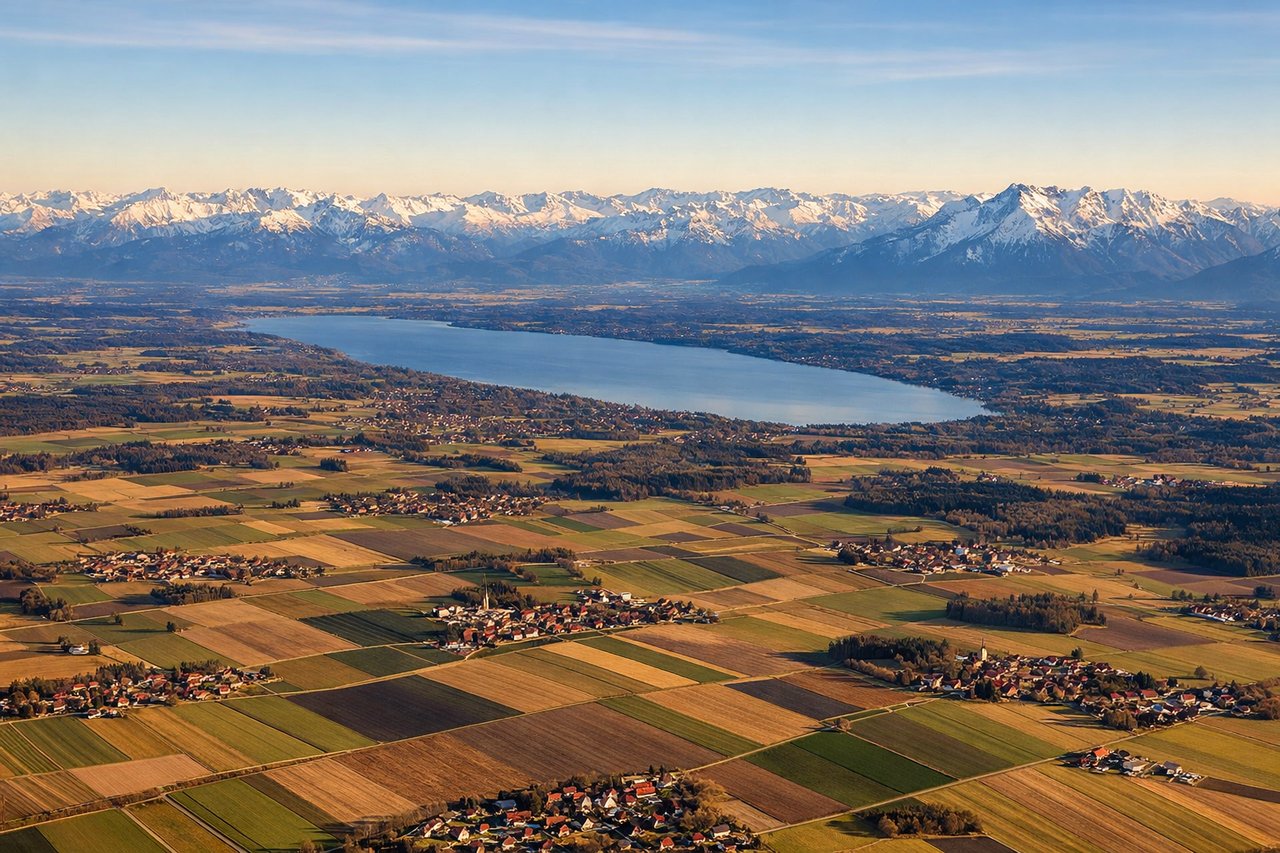
RIGHTMunich typically lands from the west on runway 26, meaning the right (north) side gives views over the Bavarian foothills and the Alps on the horizon to the south. The left side faces north toward flat agricultural plains, which are far less scenic.
Landmarks on this routeAll landmarks →
Will your flight be in sunlight?
See exactly which side of the plane gets sun and shade at your departure time.
About This Route
Which side of the plane should I sit on flying from Keflavik Nas (KEF) to Munich (MUC)?
Sit on the Left side of the plane for the best views on flights from Keflavik to Munich. The left side wins overall. The Reykjanes departure is genuinely dramatic with volcanic coastline and Faxaflói Bay, and crucially the left side also tracks the Scottish Highlands, the North Sea coastline, and the Rhine valley during the cruise portion of the flight. The Munich landing view on the right is excellent but shorter in duration.
What can I see during takeoff from Keflavik Nas in Keflavik?
During takeoff from Keflavik Nas (KEF), sit on the Left side for the best views. Keflavik typically departs eastward on runway 10, so the left (north) side gives you a view back over the Reykjanes Peninsula lava fields and Faxaflói Bay. You'll see the dark volcanic coastline contrasting with the North Atlantic, and on clear days Reykjavik and Mount Esja are visible to the northeast. Notable sights include: Reykjanes Peninsula lava fields, Faxaflói Bay, Mount Esja (914m) northeast of Reykjavik, Reykjavik city and harbor.
What can I see when landing at Munich in Munich?
When landing at Munich (MUC), sit on the Right side for the best views. Munich typically lands from the west on runway 26, meaning the right (north) side gives views over the Bavarian foothills and the Alps on the horizon to the south. The left side faces north toward flat agricultural plains, which are far less scenic. Notable sights include: Bavarian Alpine foothills, Ammersee and Starnberger See lakes southwest of Munich, Munich city center and Englischer Garten, Alps on the southern horizon.
How long is the flight from Keflavik to Munich?
The flight from Keflavik Nas (KEF) to Munich (MUC) takes Approximately 3 hours 30 minutes to 4 hours.
What does the Keflavik to Munich flight path pass over?
The route crosses the North Atlantic south of the Faroe Islands, then tracks over the Scottish Highlands and northern England, crosses the English Channel or the Netherlands, follows the Rhine valley southward through Germany, and descends over the Bavarian plateau toward Munich. The Scottish Highlands and Rhine valley are the most visually distinctive cruise-altitude features.