Right side wins both ends of the flight — London and the Thames on departure, and the spectacular Andean approach with Pichincha and Quito's valley on arrival. Over the Atlantic the views are similar on both sides, so the departure and arrival scenery tips it decisively to the right.
Flight Path
The route tracks southwest from London across the Bay of Biscay, then over the Canary Islands or Madeira depending on routing, before a long transatlantic crossing over the central Atlantic Ocean. The flight crosses the equator over open ocean west of Africa. Approaching South America, the coast of Colombia or Venezuela may be visible before the aircraft climbs over the northern Andes into Ecuador. The Andes crossing itself in the final hour is the most dramatic terrain of the entire flight.
Great circle distance and headings ›.jpeg?width=600)


Phase by phase
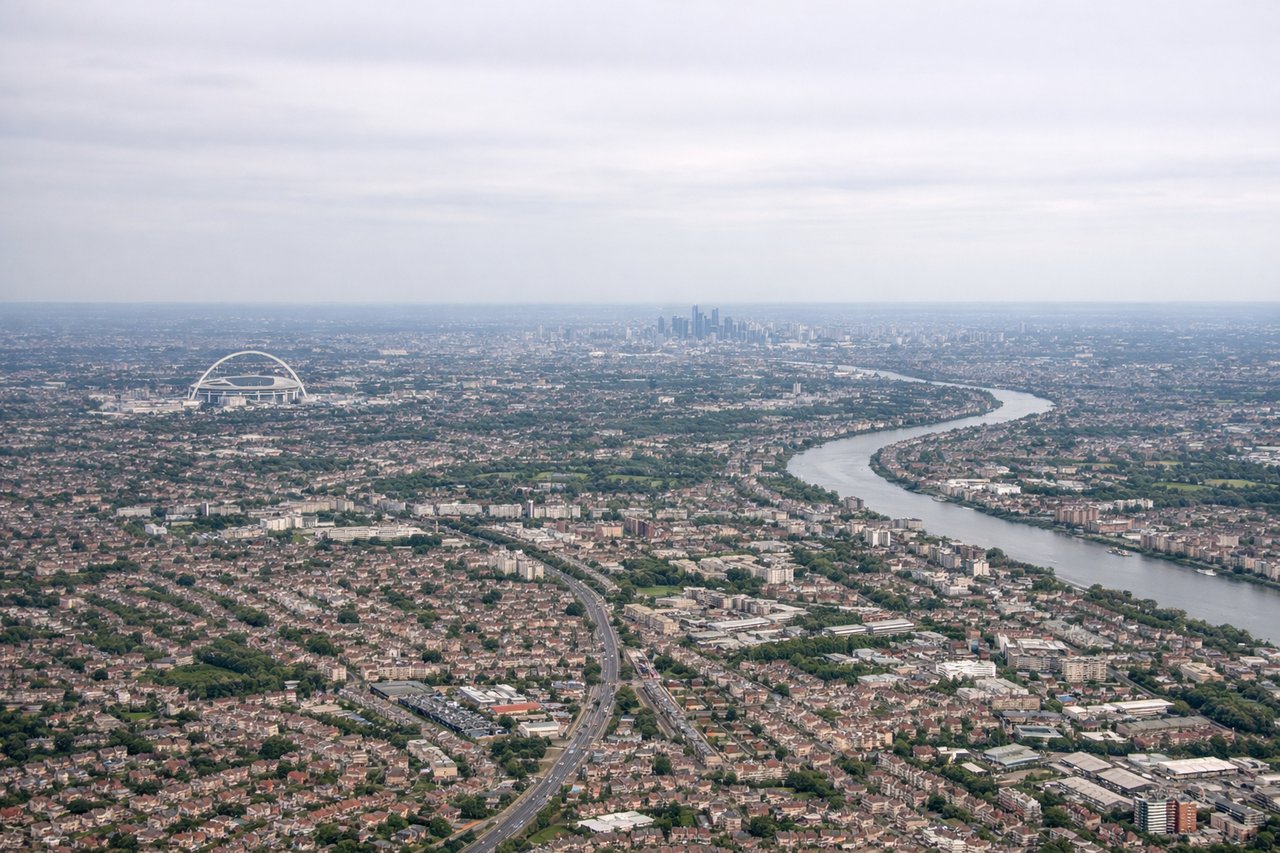
Takeoff from LHR
RIGHTHeathrow departures on the eastbound runways (09L/09R) swing south over London, and the right side gets a clear view over the Thames, central London, and the City skyline. The left side faces north toward suburban Middlesex with far less visual interest.
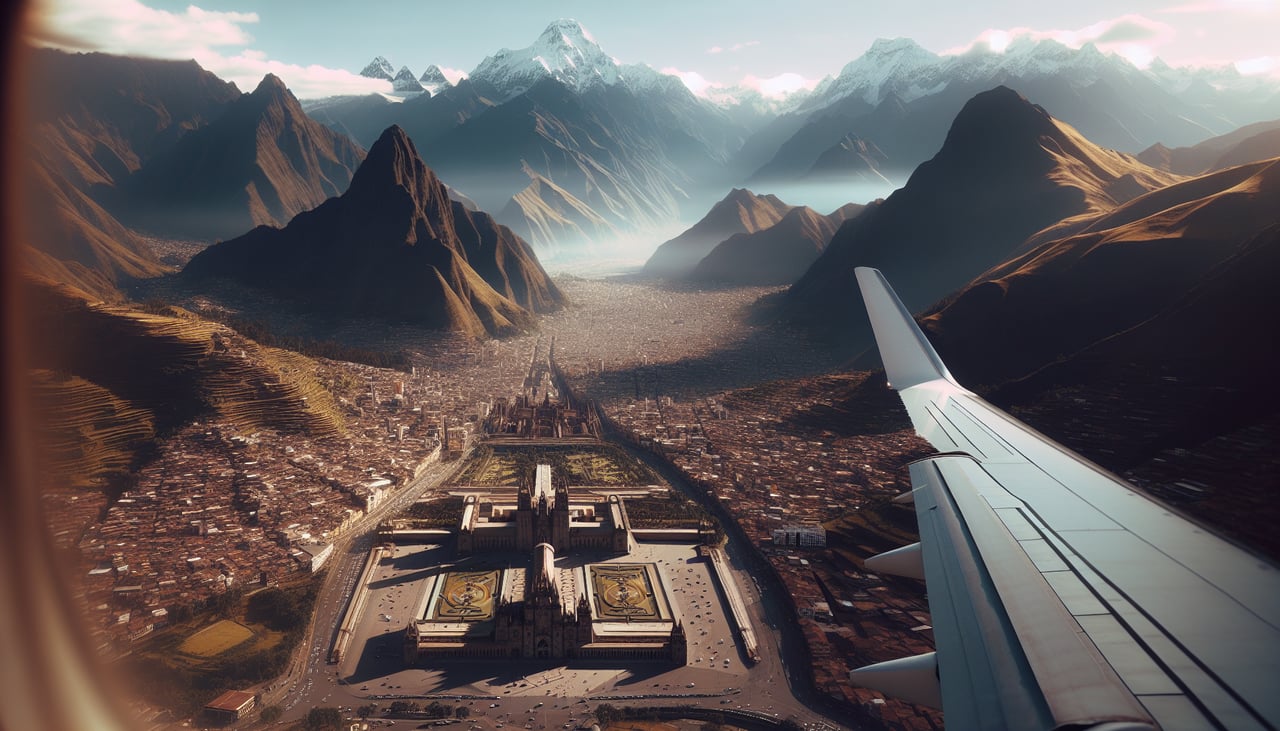
Landing at UIO
RIGHTMariscal Sucre airport sits northeast of Quito in the Andean highlands. Approaches from the north on runway 18 put the right side facing west toward the dramatic Pichincha volcano and the historic city of Quito spread along the valley below. The left side looks east toward lower Andean foothills with less dramatic relief.
Landmarks on this routeAll landmarks →
Will your flight be in sunlight?
See exactly which side of the plane gets sun and shade at your departure time.
About This Route
Which side of the plane should I sit on flying from Heathrow (LHR) to Mariscal Sucre International Airport (UIO)?
Sit on the Right side of the plane for the best views on flights from London to Quito. Right side wins both ends of the flight — London and the Thames on departure, and the spectacular Andean approach with Pichincha and Quito's valley on arrival. Over the Atlantic the views are similar on both sides, so the departure and arrival scenery tips it decisively to the right.
What can I see during takeoff from Heathrow in London?
During takeoff from Heathrow (LHR), sit on the Right side for the best views. Heathrow departures on the eastbound runways (09L/09R) swing south over London, and the right side gets a clear view over the Thames, central London, and the City skyline. The left side faces north toward suburban Middlesex with far less visual interest. Notable sights include: Thames River bends through central London, Canary Wharf cluster, Windsor Castle and Great Park to the west if departing westbound on 27L/27R, the M25 orbital motorway arc.
What can I see when landing at Mariscal Sucre International Airport in Quito?
When landing at Mariscal Sucre International Airport (UIO), sit on the Right side for the best views. Mariscal Sucre airport sits northeast of Quito in the Andean highlands. Approaches from the north on runway 18 put the right side facing west toward the dramatic Pichincha volcano and the historic city of Quito spread along the valley below. The left side looks east toward lower Andean foothills with less dramatic relief. Notable sights include: Volcán Pichincha (4,784m) directly west of Quito, the elongated north-south urban strip of Quito in the valley, Volcán Cayambe visible to the northeast on clear days, the sharp Andean ridge lines flanking the Guayllabamba basin.
How long is the flight from London to Quito?
The flight from Heathrow (LHR) to Mariscal Sucre International Airport (UIO) takes Approximately 12 to 13 hours.
What does the London to Quito flight path pass over?
The route tracks southwest from London across the Bay of Biscay, then over the Canary Islands or Madeira depending on routing, before a long transatlantic crossing over the central Atlantic Ocean. The flight crosses the equator over open ocean west of Africa. Approaching South America, the coast of Colombia or Venezuela may be visible before the aircraft climbs over the northern Andes into Ecuador. The Andes crossing itself in the final hour is the most dramatic terrain of the entire flight.