While the right side wins at takeoff for the Andean volcanic scenery, the left side captures the Atlantic coast of Colombia and Venezuela during climb-out once the aircraft turns north, the Caribbean coastline, and most importantly delivers the superior London approach view. Over the mid-Atlantic there is little to differentiate sides, so the London arrival experience tips the balance to the left.
Flight Path
The route tracks north-northeast from Quito, crossing the Colombian Andes and the Caribbean coast near Barranquilla, then over the open Atlantic. The flight passes well east of Bermuda, crosses the mid-Atlantic ridge (not visible but notable), approaches the Azores archipelago which may be visible as small dark volcanic islands in the ocean on clear days, then crosses northern Iberia or the Bay of Biscay depending on routing, before descending over France and the English Channel into Heathrow.
Great circle distance and headings ›
.jpeg?width=600)
Phase by phase

Takeoff from UIO
RIGHTMariscal Sucre's primary departure runway 18 heads south, meaning a right-side seat faces west toward the Western Cordillera and the volcanic peaks of Pichincha directly above Quito. As the aircraft climbs and turns northward toward the Atlantic, the right side captures the dramatic Andean ridge line and the city of Quito spread across its valley below.
Landing at LHR
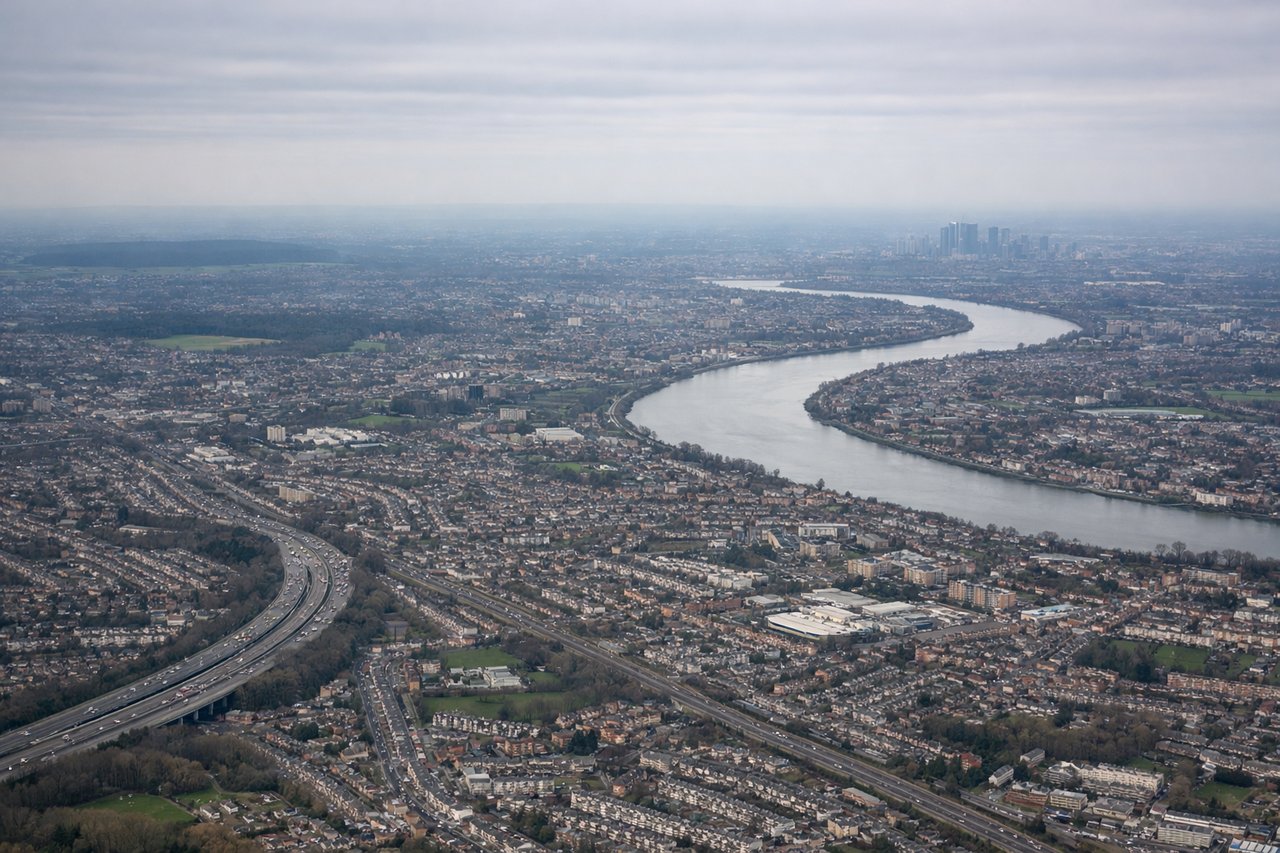
LEFTHeathrow's most common landing configuration uses runways 27L/27R, approaching from the east over London. A left-side seat on final approach looks south over central London, giving clear views of the Thames, the City of London skyline, and recognizable landmarks. The right side faces north toward the M25 corridor and suburban Middlesex with far less visual interest.
Landmarks on this routeAll landmarks →
Will your flight be in sunlight?
See exactly which side of the plane gets sun and shade at your departure time.
About This Route
Which side of the plane should I sit on flying from Mariscal Sucre International Airport (UIO) to Heathrow (LHR)?
Sit on the Left side of the plane for the best views on flights from Quito to London. While the right side wins at takeoff for the Andean volcanic scenery, the left side captures the Atlantic coast of Colombia and Venezuela during climb-out once the aircraft turns north, the Caribbean coastline, and most importantly delivers the superior London approach view. Over the mid-Atlantic there is little to differentiate sides, so the London arrival experience tips the balance to the left.
What can I see during takeoff from Mariscal Sucre International Airport in Quito?
During takeoff from Mariscal Sucre International Airport (UIO), sit on the Right side for the best views. Mariscal Sucre's primary departure runway 18 heads south, meaning a right-side seat faces west toward the Western Cordillera and the volcanic peaks of Pichincha directly above Quito. As the aircraft climbs and turns northward toward the Atlantic, the right side captures the dramatic Andean ridge line and the city of Quito spread across its valley below. Notable sights include: Volcán Pichincha (4,784m) looming directly west of Quito, the elongated Quito urban valley stretching north-south, the Eastern Cordillera ridge line, and the patchwork of agricultural terraces on the Andean slopes.
What can I see when landing at Heathrow in London?
When landing at Heathrow (LHR), sit on the Left side for the best views. Heathrow's most common landing configuration uses runways 27L/27R, approaching from the east over London. A left-side seat on final approach looks south over central London, giving clear views of the Thames, the City of London skyline, and recognizable landmarks. The right side faces north toward the M25 corridor and suburban Middlesex with far less visual interest. Notable sights include: The River Thames snaking westward through London, the City of London and Canary Wharf tower clusters, Windsor Castle and its Great Park to the southwest, and the M25 motorway arc visible as a broad grey ribbon.
How long is the flight from Quito to London?
The flight from Mariscal Sucre International Airport (UIO) to Heathrow (LHR) takes Approximately 12 to 13 hours.
What does the Quito to London flight path pass over?
The route tracks north-northeast from Quito, crossing the Colombian Andes and the Caribbean coast near Barranquilla, then over the open Atlantic. The flight passes well east of Bermuda, crosses the mid-Atlantic ridge (not visible but notable), approaches the Azores archipelago which may be visible as small dark volcanic islands in the ocean on clear days, then crosses northern Iberia or the Bay of Biscay depending on routing, before descending over France and the English Channel into Heathrow.