Cayambe volcano, Antisana volcano, Guayllabamba river valley
🛬 Landing at Quito (UIO)
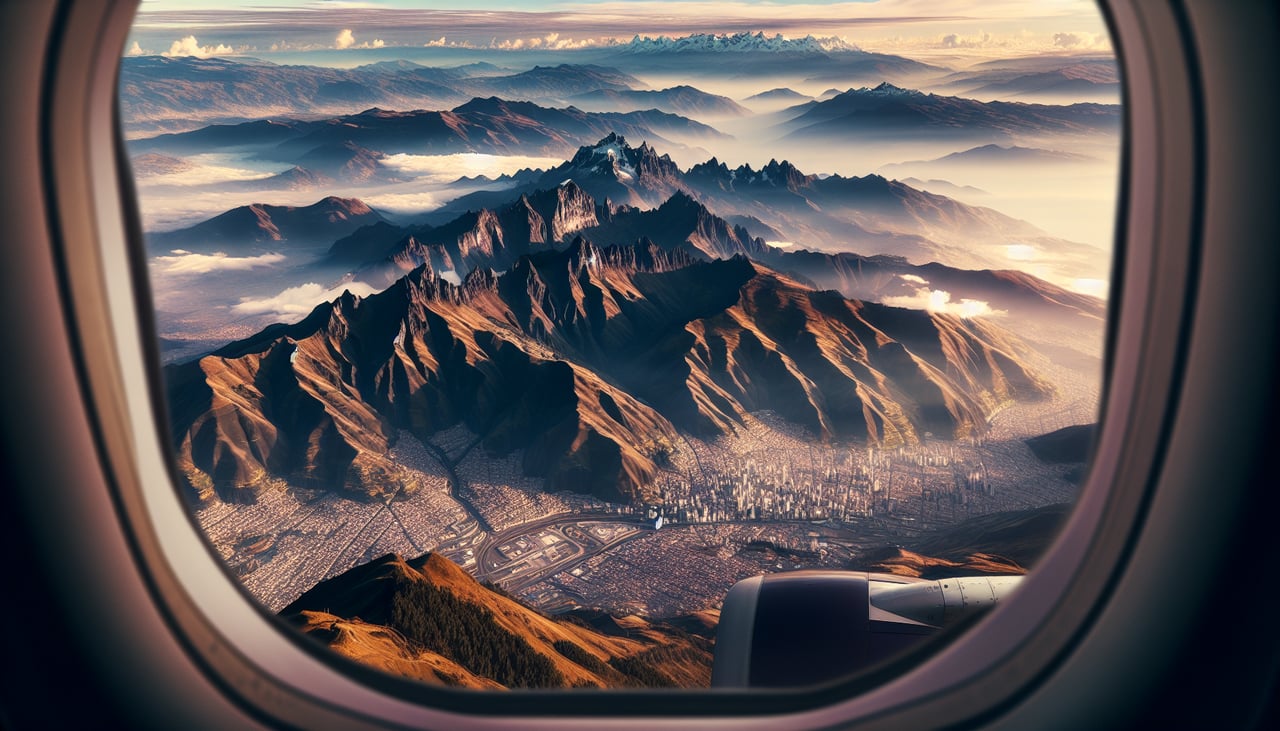 Left Side
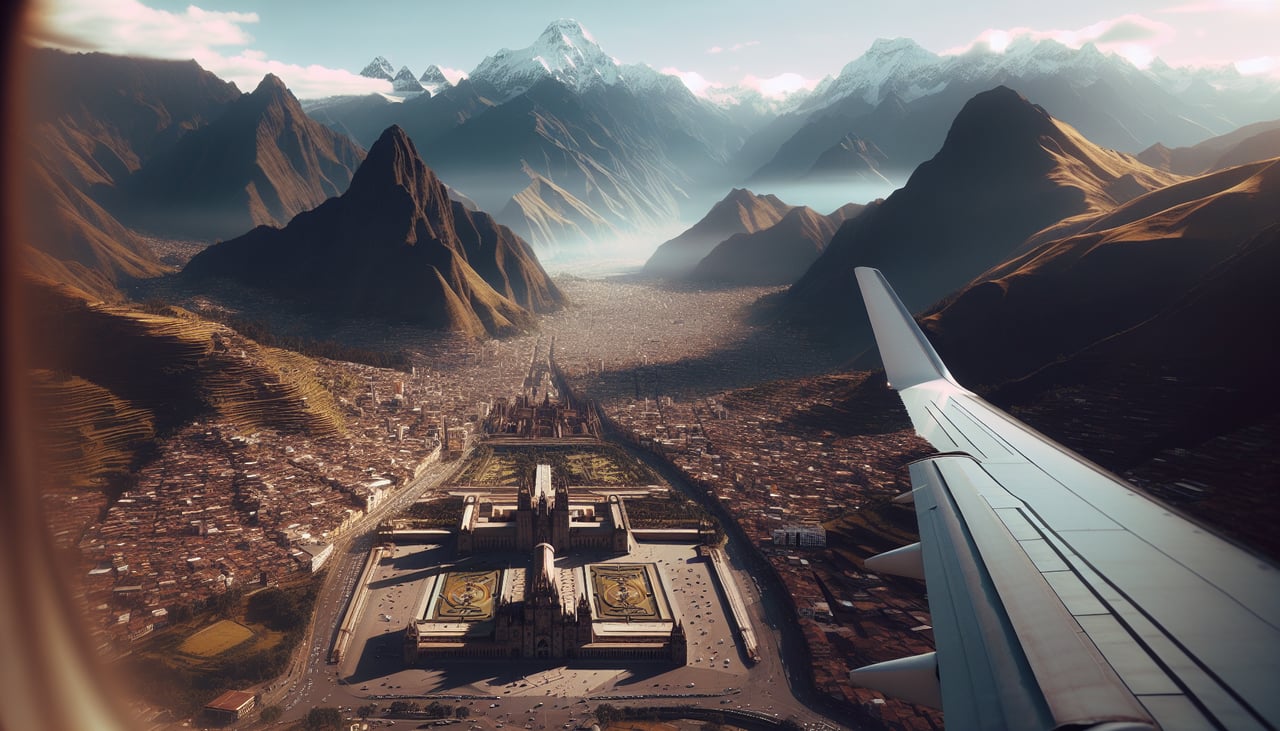 Right Side
Mariscal Sucre International Airport sits in the Tababela valley east of Quito, replacing the old in-city airport in 2013 due to terrain constraints. It has a single modern runway and one main terminal, and its high elevation (about 7,800 ft) and surrounding mountains require special aircraft performance considerations.
Landmarks on routes to QuitoAll landmarks →
Connecting at UIO?
Find out if your layover is long enough at Mariscal Sucre International Airport.
Check layover times →Popular Routes to Mariscal Sucre International Airport (UIO)
North America
Europe
South America
Africa
About This Airport
Which side of the plane has the best views landing at Mariscal Sucre International Airport (UIO)?
When landing at Mariscal Sucre International Airport (UIO), sit on the Right side for the best views. Landing on runway 36 means approaching from the south and flying north into the Tababela valley where the new Quito airport sits. On the right (east) side you get clear views of the snow-capped volcanoes Cayambe and Antisana, which flank the valley to the northeast and southeast — dramatic peaks that dominate the horizon on approach. The left side mostly shows lower, less distinct ridgelines toward Pichincha and the older city, which is farther away from this airport's location. Notable sights include: Cayambe volcano (northeast), Antisana volcano (southeast), Guayllabamba river valley, eastern Andean ridge foothills.
What can I see when arriving at Quito?
Arriving at Mariscal Sucre International Airport in Quito, passengers on the Right side enjoy views of Cayambe volcano (northeast), Antisana volcano (southeast), Guayllabamba river valley, eastern Andean ridge foothills. Landing on runway 36 means approaching from the south and flying north into the Tababela valley where the new Quito airport sits. On the right (east) side you get clear views of the snow-capped volcanoes Cayambe and Antisana, which flank the valley to the northeast and southeast — dramatic peaks that dominate the horizon on approach. The left side mostly shows lower, less distinct ridgelines toward Pichincha and the older city, which is farther away from this airport's location.
What factors affect the best window seat landing at Mariscal Sucre International Airport?
The best window seat landing at Mariscal Sucre International Airport (UIO) depends on several factors: the approach path and runway in use, geographic features around Quito (mountains, coastlines, city skylines), weather conditions, and time of day. Morning and evening arrivals often offer the best lighting.