The left side wins across all phases: Manchester and the Peak District at takeoff, the Iberian Atlantic coastline near Porto and Lisbon during cruise, and Mount Teide's volcanic silhouette on final approach. The right side spends most of the flight over open, featureless Atlantic water.
Flight Path
Bay of Biscay, the Portuguese Atlantic coastline near Porto and Lisbon, and open Atlantic Ocean south of Madeira before reaching the Canary Islands
Great circle distance and headings ›

Phase by phase
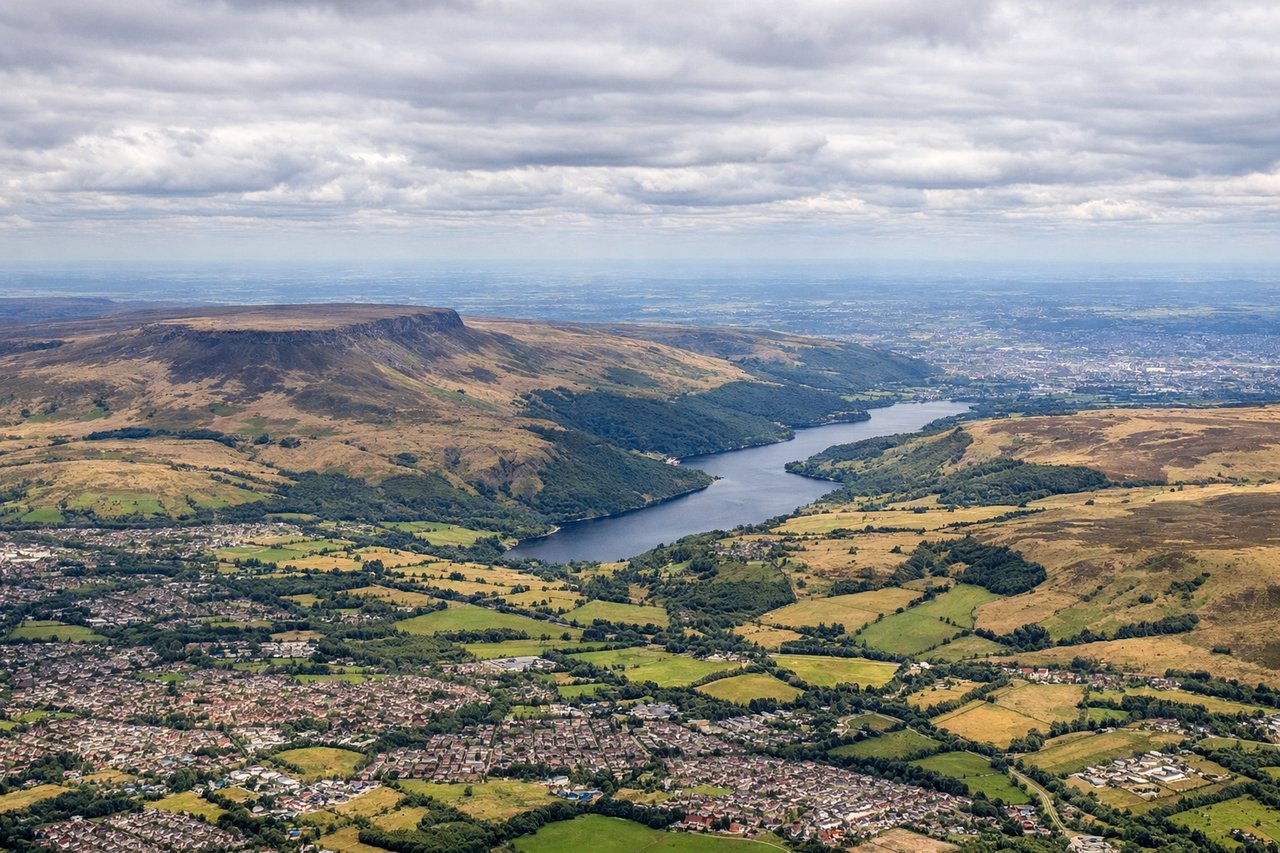
Takeoff from MAN
LEFTDeparting on runway 23 and turning south, the left (east) side gives a good look back at Manchester's city center and the Pennine hills before the Peak District's moorland rolls by beneath the wing. The right side only shows the flatter Cheshire plain fading into haze.
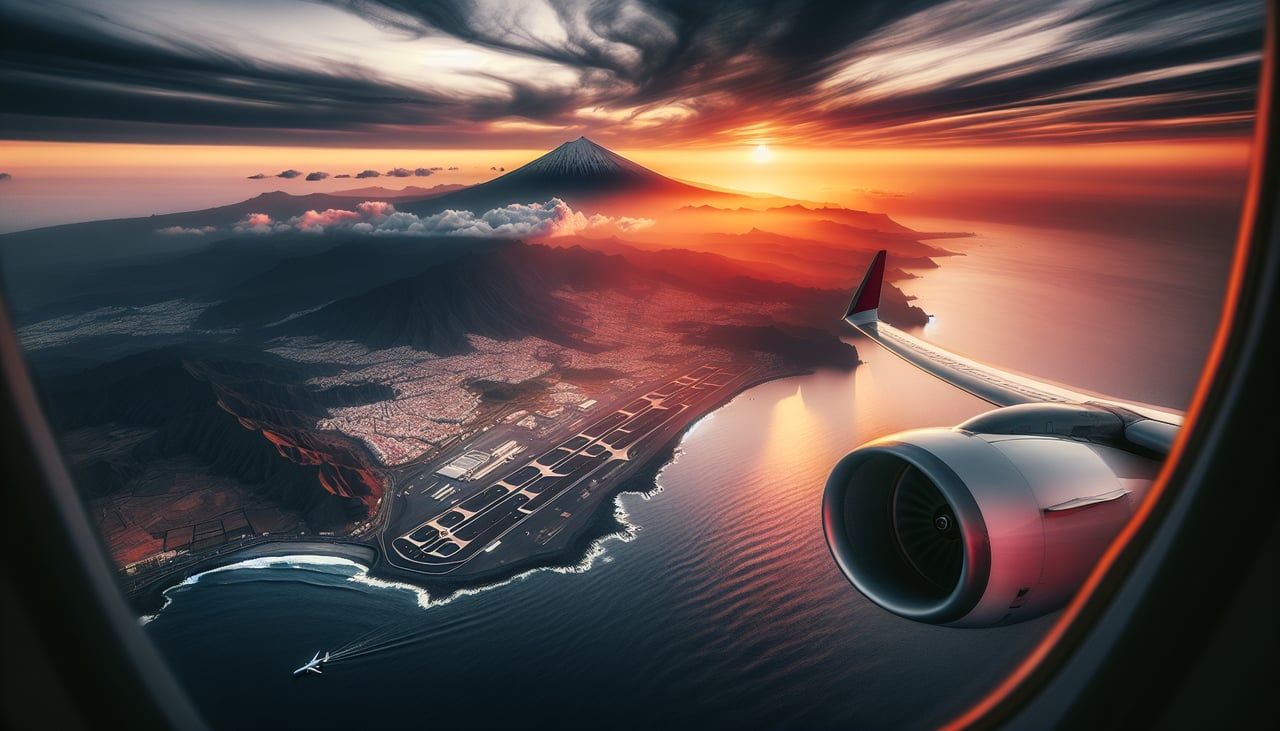
Landing at TFS
LEFTOn the approach into TFS runway 07, the aircraft turns to line up heading northeast, putting the massive volcanic cone of Mount Teide and its dark lava fields squarely on the left side of the plane. The right side only shows open ocean south of the island.
Landmarks on this routeAll landmarks →
Will your flight be in sunlight?
See exactly which side of the plane gets sun and shade at your departure time.
About This Route
Which side of the plane should I sit on flying from Manchester (MAN) to Tenerife Sur (TFS)?
Sit on the Left side of the plane for the best views on flights from Manchester to Tenerife. The left side wins across all phases: Manchester and the Peak District at takeoff, the Iberian Atlantic coastline near Porto and Lisbon during cruise, and Mount Teide's volcanic silhouette on final approach. The right side spends most of the flight over open, featureless Atlantic water.
What can I see during takeoff from Manchester in Manchester?
During takeoff from Manchester (MAN), sit on the Left side for the best views. Departing on runway 23 and turning south, the left (east) side gives a good look back at Manchester's city center and the Pennine hills before the Peak District's moorland rolls by beneath the wing. The right side only shows the flatter Cheshire plain fading into haze. Notable sights include: Manchester city center, River Mersey, Peak District moorland, Pennine foothills.
What can I see when landing at Tenerife Sur in Tenerife?
When landing at Tenerife Sur (TFS), sit on the Left side for the best views. On the approach into TFS runway 07, the aircraft turns to line up heading northeast, putting the massive volcanic cone of Mount Teide and its dark lava fields squarely on the left side of the plane. The right side only shows open ocean south of the island. Notable sights include: Mount Teide, Las Cañadas caldera, south Tenerife coastline near Los Cristianos, volcanic lava fields.
How long is the flight from Manchester to Tenerife?
The flight from Manchester (MAN) to Tenerife Sur (TFS) takes 4h 20m.
What does the Manchester to Tenerife flight path pass over?
Bay of Biscay, the Portuguese Atlantic coastline near Porto and Lisbon, and open Atlantic Ocean south of Madeira before reaching the Canary Islands