Male to Dubai is 1,889 miles (3,040 km), a flight of about 4 hours 5 minutes.
While the Male departure favors the left side, the Dubai arrival's coastal and skyline views on the right side are more visually striking and memorable, giving the right side the edge over the full flight.
Flight Path
Open Arabian Sea for most of the route, with the flight path passing west of the Lakshadweep Islands and later nearing the Musandam Peninsula coastline of Oman before entering UAE airspace.
Great circle distance and headings ›_8.JPG?width=600)
_and_the_Dubai_skyline_(25781049892).jpg?width=600)
.jpg?width=600)
Phase by phase
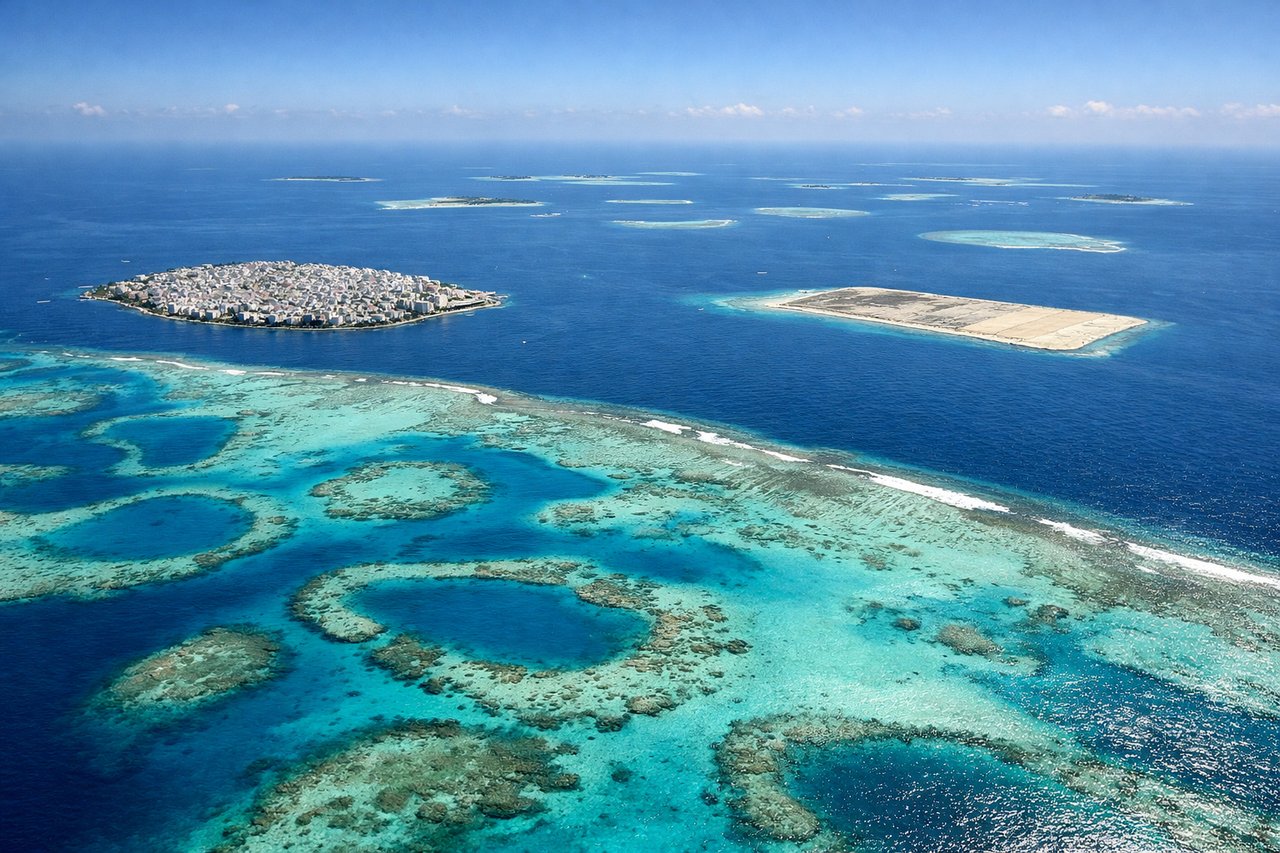
Takeoff from MLE
LEFTDeparting MLE, the initial climb and left turn toward the northwest gives a sweeping view back over Male City and the turquoise lagoons of North Male Atoll, with scattered resort islands fading into deep blue water.
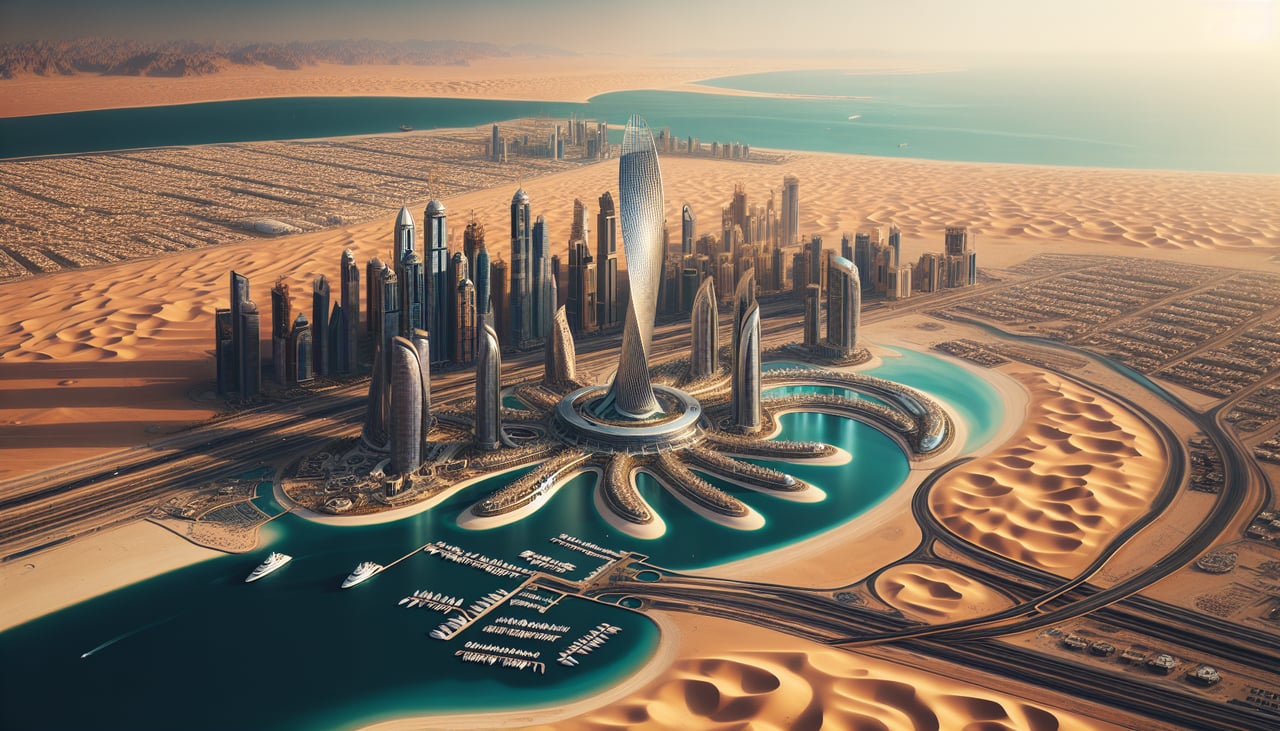
Landing at DXB
RIGHTOn approach into DXB, the descent path over the Gulf coastline typically brings Dubai's skyline and the Palm Jumeirah into view on the right side before the turn onto final, offering a strong urban and coastal contrast after hours over open water.
Landmarks on this routeAll landmarks →
Will your flight be in sunlight?
Pick a date and time in the Sun Map to watch the sun move across your whole flight.
About This Route
Which side of the plane should I sit on flying from Male International (MLE) to Dubai International (DXB)?
Sit on the Right side of the plane for the best views on flights from Male to Dubai. While the Male departure favors the left side, the Dubai arrival's coastal and skyline views on the right side are more visually striking and memorable, giving the right side the edge over the full flight.
What can I see during takeoff from Male International in Male?
During takeoff from Male International (MLE), sit on the Left side for the best views. Departing MLE, the initial climb and left turn toward the northwest gives a sweeping view back over Male City and the turquoise lagoons of North Male Atoll, with scattered resort islands fading into deep blue water. Notable sights include: Male City skyline, Hulhule/Male International Airport lagoon, North Male Atoll reef patterns, scattered resort islands.
What can I see when landing at Dubai International in Dubai?
When landing at Dubai International (DXB), sit on the Right side for the best views. On approach into DXB, the descent path over the Gulf coastline typically brings Dubai's skyline and the Palm Jumeirah into view on the right side before the turn onto final, offering a strong urban and coastal contrast after hours over open water. Notable sights include: Palm Jumeirah, Dubai Marina skyline, Burj Khalifa, Dubai Creek and coastline.
How long is the flight from Male to Dubai?
The flight from Male International (MLE) to Dubai International (DXB) takes about 4 hours 5 minutes. The shortest flight path between them is 1,889 miles (3,040 km); winds and air traffic control usually add a few percent.
What does the Male to Dubai flight path pass over?
Open Arabian Sea for most of the route, with the flight path passing west of the Lakshadweep Islands and later nearing the Musandam Peninsula coastline of Oman before entering UAE airspace.