Male to London is 5,306 miles (8,539 km), a flight of about 10 hours 15 minutes.
The left side bookends the flight with two genuinely distinctive views — Male's lagoon and city on departure, Windsor Castle on arrival — while the right side offers mostly open ocean and featureless plains for most of the ten-hour journey.
Flight Path
The route crosses the Indian subcontinent near the Deccan Plateau and Western Ghats, then the arid Iranian plateau and Zagros Mountains, before passing over the plains of Anatolia, the Balkans, and Central Europe near the Carpathian foothills en route to the UK.
Great circle distance and headings ›_8.JPG?width=600)
_and_the_Dubai_skyline_(25781049892).jpg?width=600)
.jpg?width=600)

.jpg?width=600)


.jpeg?width=600)
Phase by phase
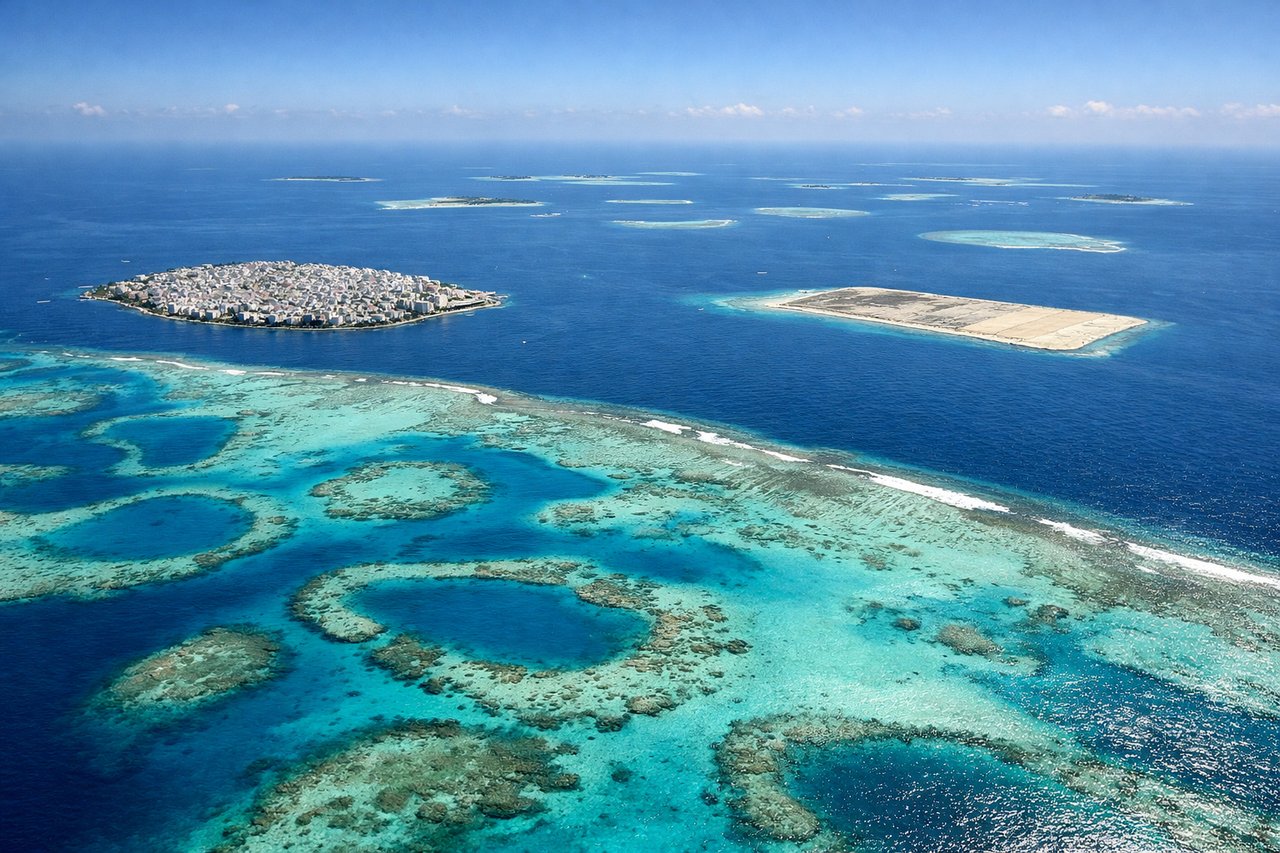
Takeoff from MLE
LEFTDeparting Male on runway 36 (the common northeast-monsoon configuration), the aircraft's left turn toward the northwest swings the left side toward Male city itself, letting passengers look down on the dense urban island, the Sinamale Bridge, and the surrounding reef before the plane heads out over open water.
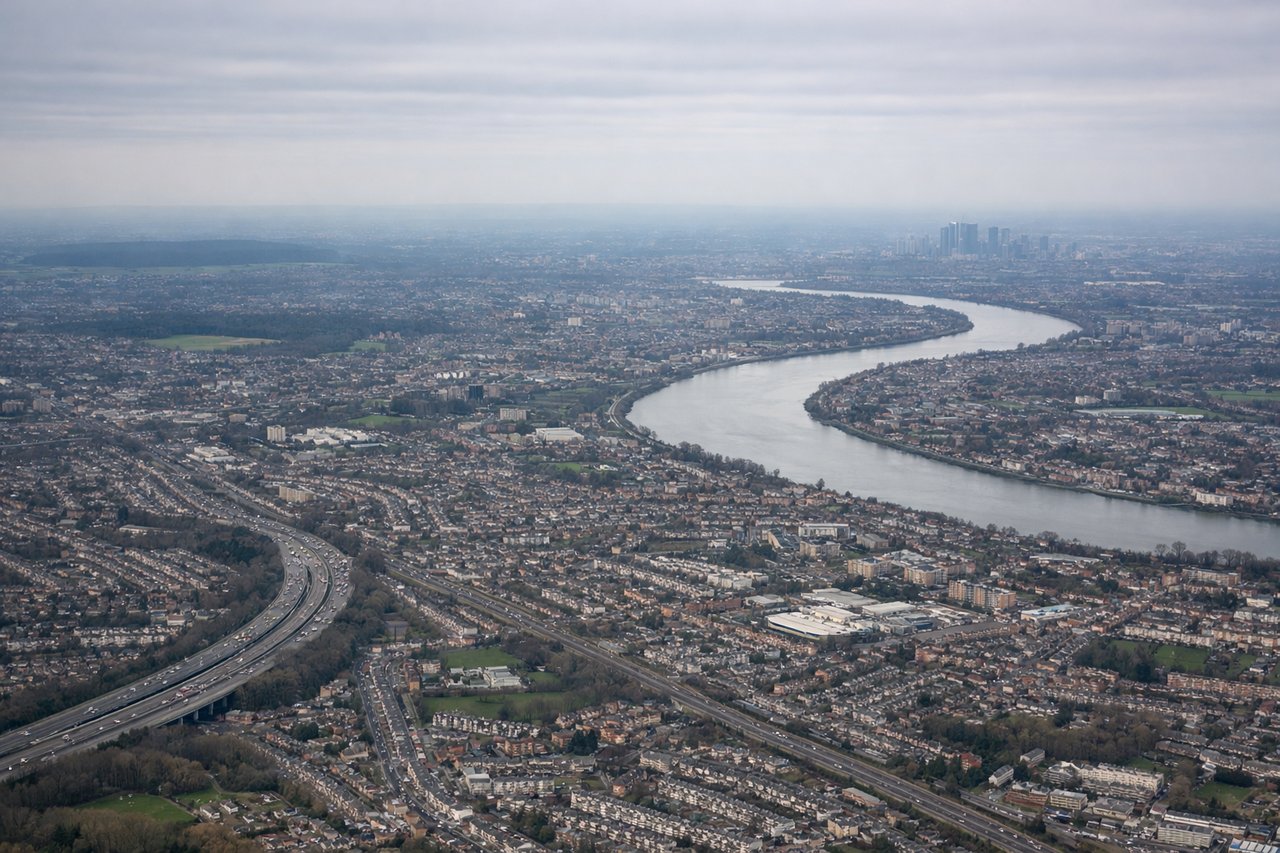
Landing at LHR
LEFTOn the typical easterly arrival into Heathrow's westerly runways, the approach path passes just south of Windsor, putting Windsor Castle and the Thames valley reservoirs on the left side during final descent, a far more distinctive view than the featureless suburban rooftops on the right.
Landmarks on this routeAll landmarks →
Will your flight be in sunlight?
Pick a date and time in the Sun Map to watch the sun move across your whole flight.
About This Route
Which side of the plane should I sit on flying from Male International (MLE) to Heathrow (LHR)?
Sit on the Left side of the plane for the best views on flights from Male to London. The left side bookends the flight with two genuinely distinctive views — Male's lagoon and city on departure, Windsor Castle on arrival — while the right side offers mostly open ocean and featureless plains for most of the ten-hour journey.
What can I see during takeoff from Male International in Male?
During takeoff from Male International (MLE), sit on the Left side for the best views. Departing Male on runway 36 (the common northeast-monsoon configuration), the aircraft's left turn toward the northwest swings the left side toward Male city itself, letting passengers look down on the dense urban island, the Sinamale Bridge, and the surrounding reef before the plane heads out over open water. Notable sights include: Male city skyline, Sinamale Bridge, turquoise North Male Atoll lagoon, scattered resort islands and reef patterns.
What can I see when landing at Heathrow in London?
When landing at Heathrow (LHR), sit on the Left side for the best views. On the typical easterly arrival into Heathrow's westerly runways, the approach path passes just south of Windsor, putting Windsor Castle and the Thames valley reservoirs on the left side during final descent, a far more distinctive view than the featureless suburban rooftops on the right. Notable sights include: Windsor Castle, River Thames bends near Staines, Wraysbury and King George VI Reservoirs, Runnymede meadows.
How long is the flight from Male to London?
The flight from Male International (MLE) to Heathrow (LHR) takes about 10 hours 15 minutes. The shortest flight path between them is 5,306 miles (8,539 km); winds and air traffic control usually add a few percent.
What does the Male to London flight path pass over?
The route crosses the Indian subcontinent near the Deccan Plateau and Western Ghats, then the arid Iranian plateau and Zagros Mountains, before passing over the plains of Anatolia, the Balkans, and Central Europe near the Carpathian foothills en route to the UK.