Male to Seattle is 8,741 miles (14,068 km), a flight of about 17 hours.
While takeoff offers excellent atoll views, the landing approach provides more dramatic and varied scenery with Mount Rainier, the Cascade Range, and Puget Sound—major geographic features that create a more visually compelling final descent.
Flight Path
This route typically crosses the Indian Ocean, Bay of Bengal, and Southeast Asia. Notable features along the path include the Andaman Sea, Myanmar coastline, Thailand, and the South China Sea. If routing via Asia-Pacific hubs (common for this route), flights pass over the Malay Peninsula, Strait of Malacca, and Indonesian archipelago. The northern Pacific crossing offers views of the Aleutian Islands and Alaska coastline before descending into Seattle. The actual routing varies by airline and weather, but the Indian Ocean and Pacific Ocean dominate the flight path.
Great circle distance and headings ›
.jpg?width=600)


Phase by phase
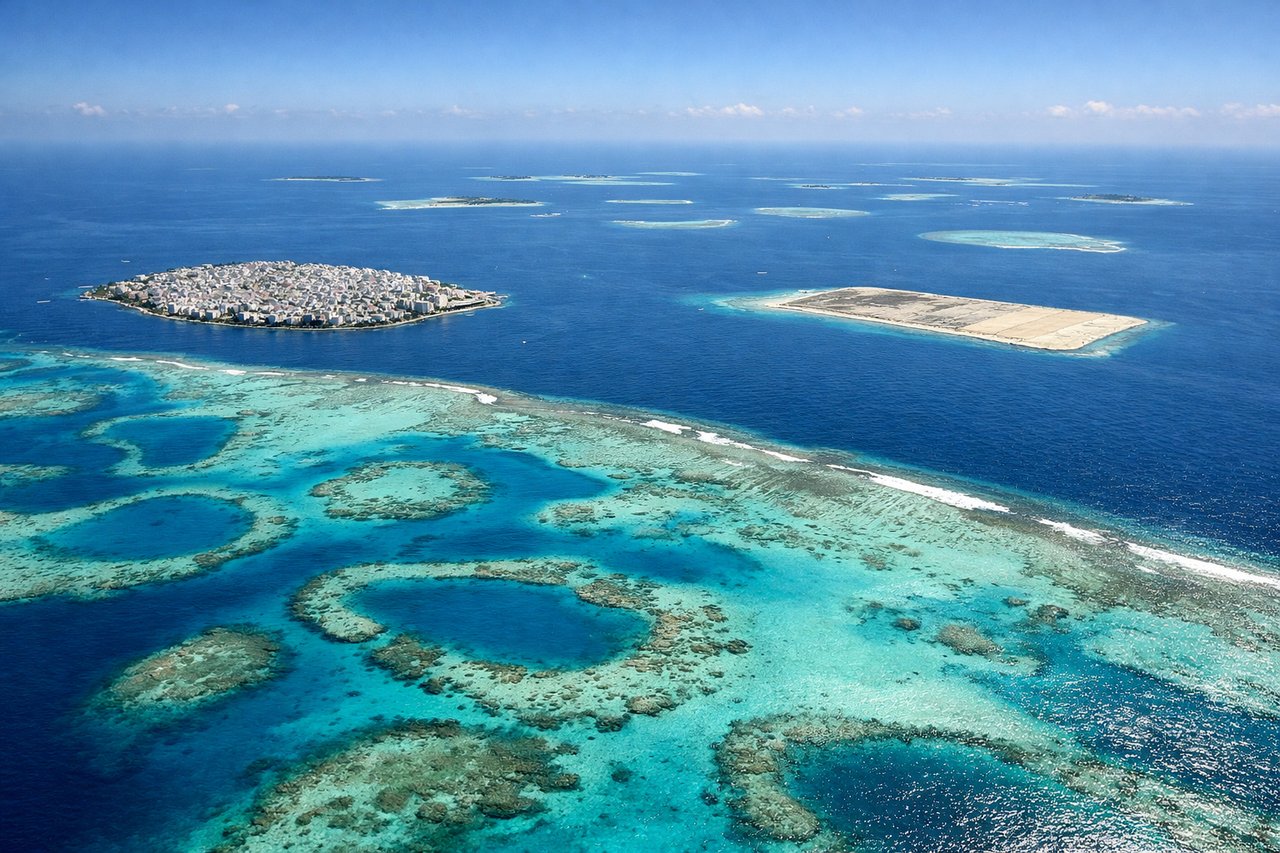
Takeoff from MLE
RIGHTRight-side seats offer views of the Male atoll's lagoon system and the surrounding Indian Ocean immediately after departure. The aircraft climbs northwestward, so right-side passengers see the distinctive circular and crescent-shaped atolls of the Maldives archipelago spreading across the turquoise water.
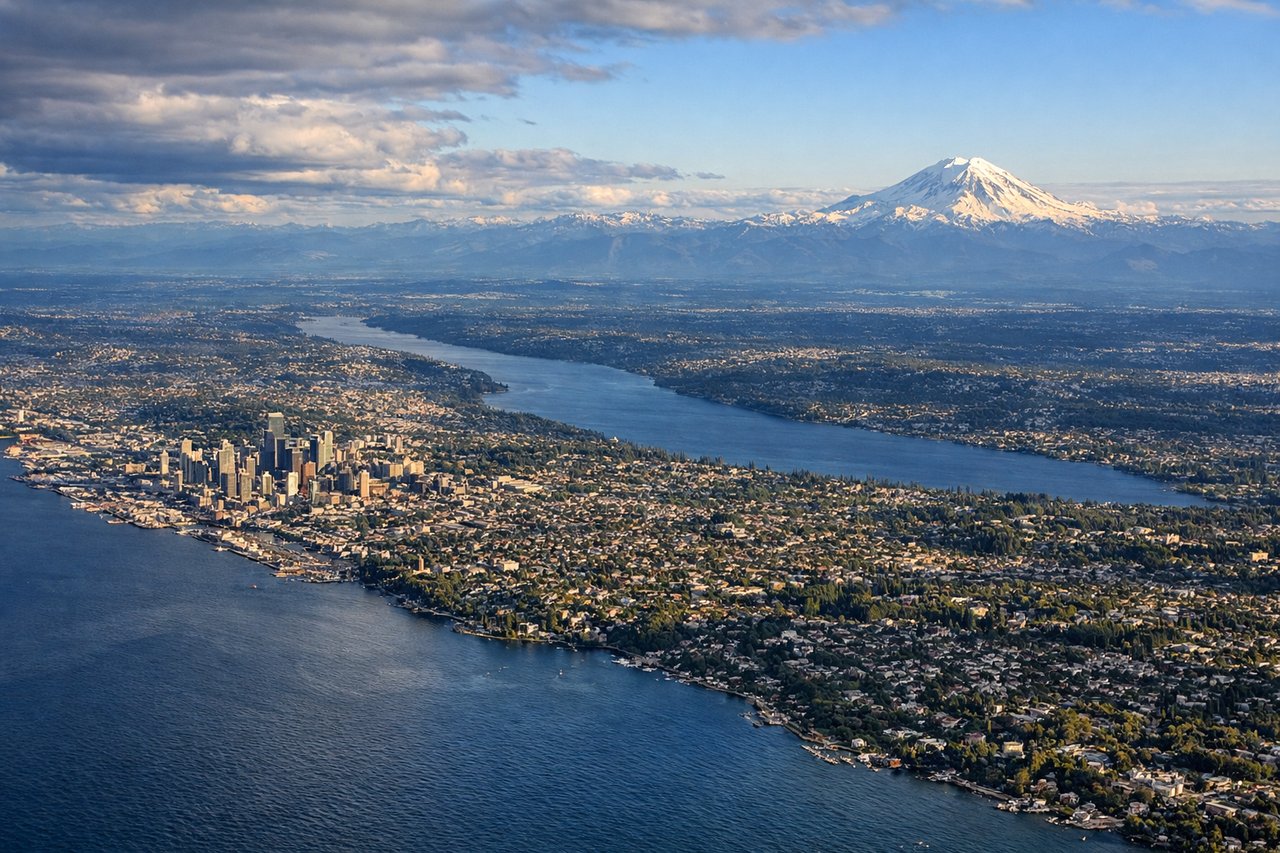
Landing at SEA
LEFTLeft-side seats provide views during the descent approach into Seattle-Tacoma. The aircraft descends from the southeast, and left-side passengers see the Cascade Range, Mount Rainier, and Puget Sound as the flight approaches from over the Pacific.
Landmarks on this routeAll landmarks →
Will your flight be in sunlight?
Pick a date and time in the Sun Map to watch the sun move across your whole flight.
About This Route
Which side of the plane should I sit on flying from Male International (MLE) to Seattle Tacoma International (SEA)?
Sit on the Left side of the plane for the best views on flights from Male to Seattle. While takeoff offers excellent atoll views, the landing approach provides more dramatic and varied scenery with Mount Rainier, the Cascade Range, and Puget Sound—major geographic features that create a more visually compelling final descent.
What can I see during takeoff from Male International in Male?
During takeoff from Male International (MLE), sit on the Right side for the best views. Right-side seats offer views of the Male atoll's lagoon system and the surrounding Indian Ocean immediately after departure. The aircraft climbs northwestward, so right-side passengers see the distinctive circular and crescent-shaped atolls of the Maldives archipelago spreading across the turquoise water. Notable sights include: Male atoll lagoon, North Male atoll, surrounding coral reef systems, Indian Ocean.
What can I see when landing at Seattle Tacoma International in Seattle?
When landing at Seattle Tacoma International (SEA), sit on the Left side for the best views. Left-side seats provide views during the descent approach into Seattle-Tacoma. The aircraft descends from the southeast, and left-side passengers see the Cascade Range, Mount Rainier, and Puget Sound as the flight approaches from over the Pacific. Notable sights include: Mount Rainier, Cascade Range, Puget Sound, Lake Washington.
How long is the flight from Male to Seattle?
The flight from Male International (MLE) to Seattle Tacoma International (SEA) takes about 17 hours. The shortest flight path between them is 8,741 miles (14,068 km); winds and air traffic control usually add a few percent.
What does the Male to Seattle flight path pass over?
This route typically crosses the Indian Ocean, Bay of Bengal, and Southeast Asia. Notable features along the path include the Andaman Sea, Myanmar coastline, Thailand, and the South China Sea. If routing via Asia-Pacific hubs (common for this route), flights pass over the Malay Peninsula, Strait of Malacca, and Indonesian archipelago. The northern Pacific crossing offers views of the Aleutian Islands and Alaska coastline before descending into Seattle. The actual routing varies by airline and weather, but the Indian Ocean and Pacific Ocean dominate the flight path.