Manila to Basco is 415 miles (669 km), a flight of about 1 hour 15 minutes.
Right-side seats capture the most dramatic scenery across the entire flight: Manila's urban landscape and Manila Bay during takeoff, the Cordillera Central mountains during the climb, and the northern Luzon coastline during descent. The left side offers good views of the Babuyan Channel on approach, but the right side provides more varied and visually interesting terrain throughout the journey.
Flight Path
The flight path travels north-northeast from Manila across the Luzon landmass. Notable features include the Sierra Madre mountain range (visible to the east during cruise), the transition from central Luzon's agricultural plains to the more rugged terrain of northern Luzon, and the approach to the Cordillera region. The aircraft passes over or near Nueva Ecija province's agricultural areas and the foothills of the northern mountain ranges before descending toward the Batanes Islands.
Great circle distance and headings ›Phase by phase
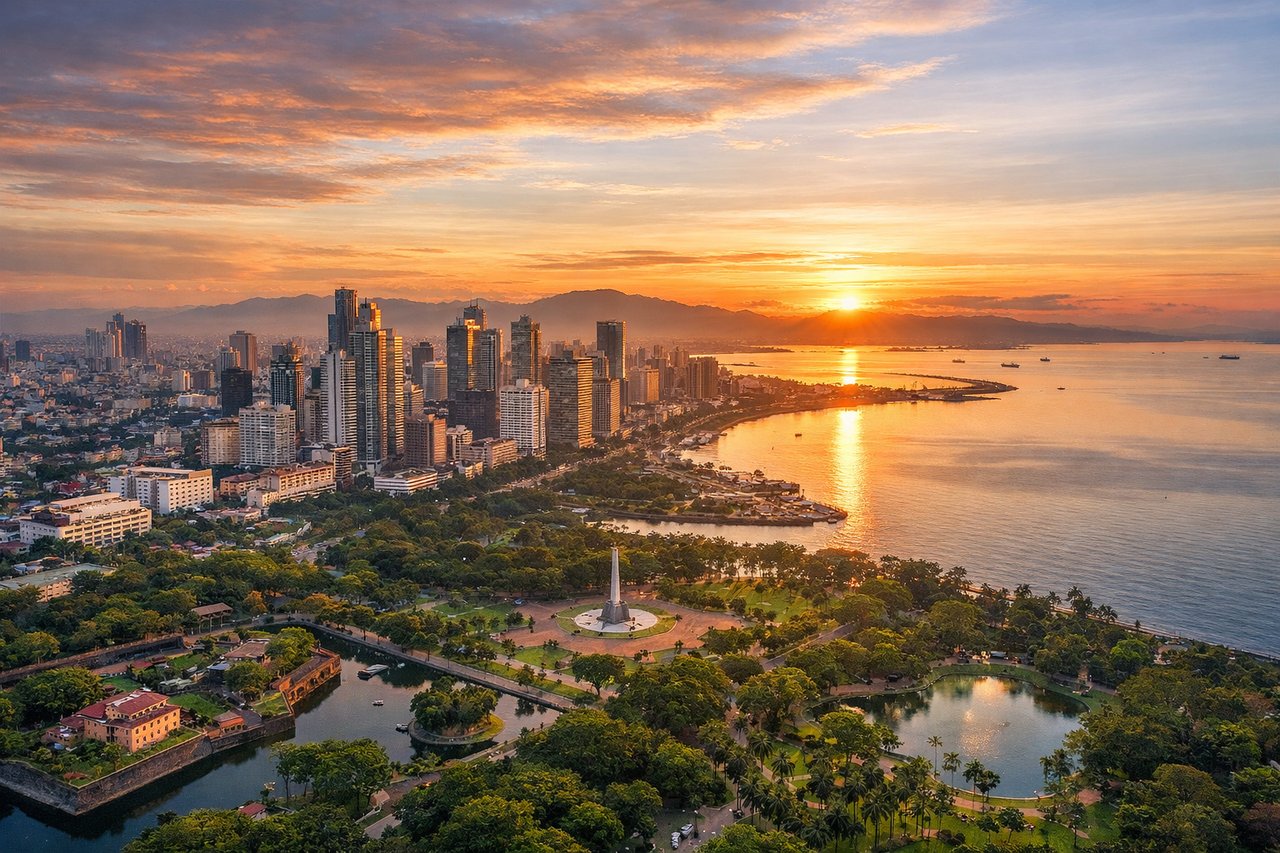
Takeoff from MNL
RIGHTRight-side seats offer views of Manila Bay and the Cordillera Central mountain range as the aircraft climbs northward. The bay's distinctive shape and the rugged terrain inland provide excellent visual contrast during the initial climb-out.
Landing at BSO
LEFTLeft-side seats provide views of the Babuyan Channel and the approach to Basco over the northern coastline of Luzon. The descent path offers clear sightlines of the Batanes Islands' distinctive volcanic terrain and the surrounding Philippine Sea.
Will your flight be in sunlight?
Pick a date and time in the Sun Map to watch the sun move across your whole flight.
About This Route
Which side of the plane should I sit on flying from Ninoy Aquino International (MNL) to Basco Airport (BSO)?
Sit on the Right side of the plane for the best views on flights from Manila to Basco. Right-side seats capture the most dramatic scenery across the entire flight: Manila's urban landscape and Manila Bay during takeoff, the Cordillera Central mountains during the climb, and the northern Luzon coastline during descent. The left side offers good views of the Babuyan Channel on approach, but the right side provides more varied and visually interesting terrain throughout the journey.
What can I see during takeoff from Ninoy Aquino International in Manila?
During takeoff from Ninoy Aquino International (MNL), sit on the Right side for the best views. Right-side seats offer views of Manila Bay and the Cordillera Central mountain range as the aircraft climbs northward. The bay's distinctive shape and the rugged terrain inland provide excellent visual contrast during the initial climb-out. Notable sights include: Manila Bay (west), Cordillera Central range (east and north), Laguna de Bay (southeast), Marikina Valley urban sprawl (immediate east).
What can I see when landing at Basco Airport in Basco?
When landing at Basco Airport (BSO), sit on the Left side for the best views. Left-side seats provide views of the Babuyan Channel and the approach to Basco over the northern coastline of Luzon. The descent path offers clear sightlines of the Batanes Islands' distinctive volcanic terrain and the surrounding Philippine Sea. Notable sights include: Babuyan Channel (west), Batanes Islands volcanic peaks (north and northeast), Luzon northern coastline (south), Philippine Sea (north and west).
How long is the flight from Manila to Basco?
The flight from Ninoy Aquino International (MNL) to Basco Airport (BSO) takes about 1 hour 15 minutes. The shortest flight path between them is 415 miles (669 km); winds and air traffic control usually add a few percent.
What does the Manila to Basco flight path pass over?
The flight path travels north-northeast from Manila across the Luzon landmass. Notable features include the Sierra Madre mountain range (visible to the east during cruise), the transition from central Luzon's agricultural plains to the more rugged terrain of northern Luzon, and the approach to the Cordillera region. The aircraft passes over or near Nueva Ecija province's agricultural areas and the foothills of the northern mountain ranges before descending toward the Batanes Islands.