While takeoff favors the right side for Fiji's interior highlands, the landing approach into San Francisco Bay is significantly more dramatic and visually rewarding on the left. The Bay, Golden Gate Bridge, and Marin Headlands are iconic and unmissable. Left side captures the most memorable portion of this long transpacific route.
Flight Path
This route crosses the central Pacific Ocean with minimal visible landmarks for roughly 11-12 hours. The flight path passes north of Hawaii (typically 400+ miles distant, not visible), crosses the International Date Line, and transits open ocean. No significant geographic features are visible during the midpoint cruise phase. The most notable scenery occurs during the first 90 minutes (Fiji departure) and final 90 minutes (San Francisco Bay approach).
Great circle distance and headings ›

Phase by phase
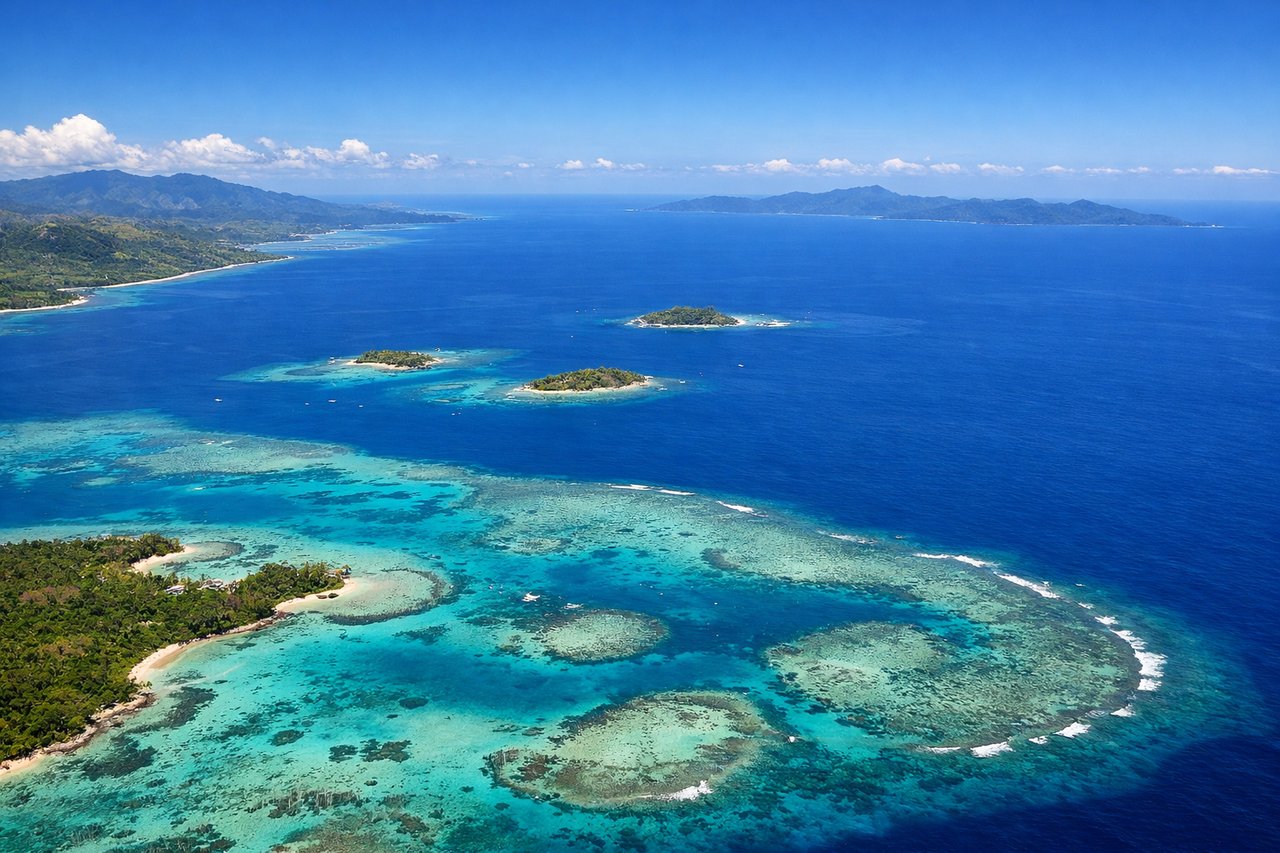
Takeoff from NAN
RIGHTRight-side seats offer views of Viti Levu's mountainous interior and the Rewa River delta as the aircraft climbs eastward from Nadi. The left side faces the Coral Coast and open ocean with less distinctive features during initial climb.
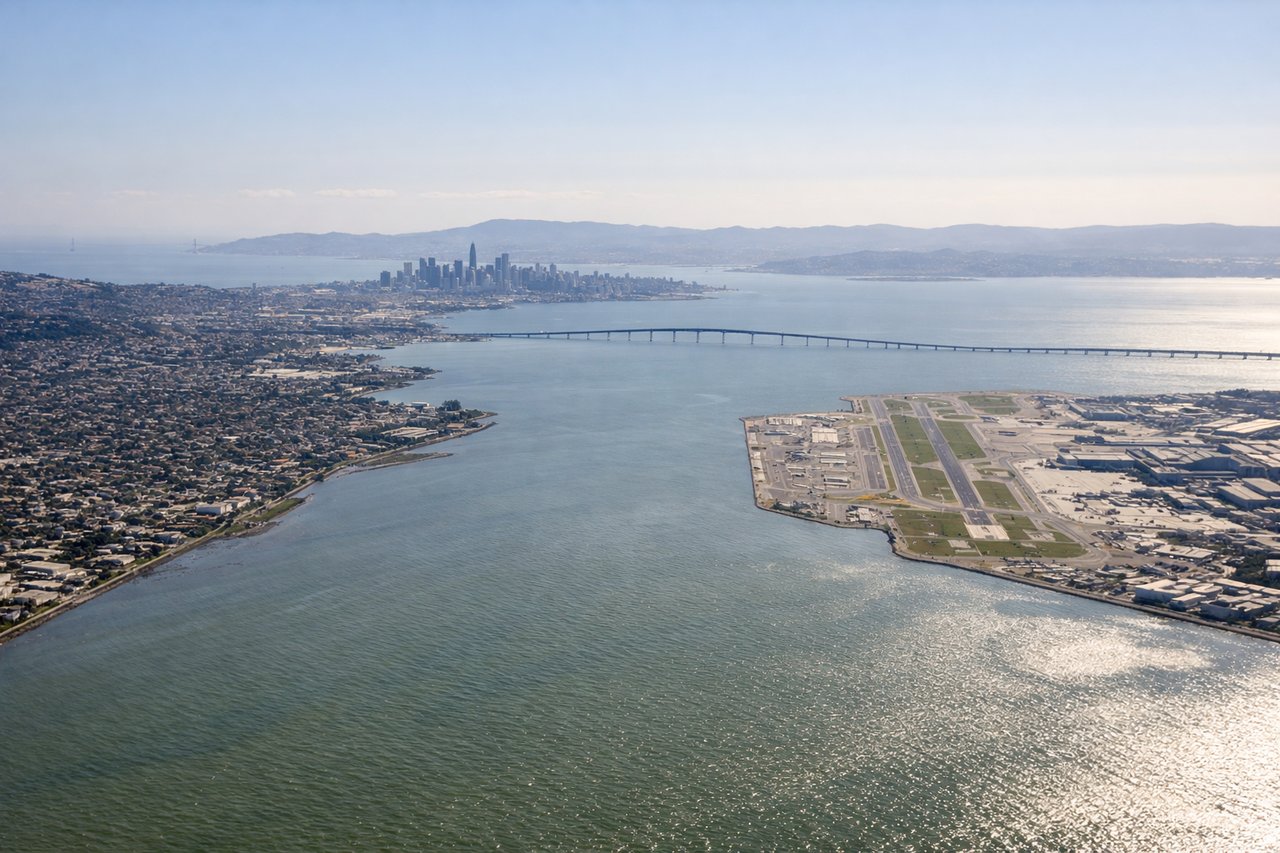
Landing at SFO
LEFTLeft-side seats provide views of the Sierra Nevada and Cascade Range as the aircraft descends toward San Francisco Bay from the east. The right side faces inland valleys with fewer dramatic features. The approach typically brings the bay and Golden Gate into view on the left.
Landmarks on this routeAll landmarks →
Will your flight be in sunlight?
See exactly which side of the plane gets sun and shade at your departure time.
About This Route
Which side of the plane should I sit on flying from Nadi International (NAN) to San Francisco International (SFO)?
Sit on the Left side of the plane for the best views on flights from Nandi to San Francisco. While takeoff favors the right side for Fiji's interior highlands, the landing approach into San Francisco Bay is significantly more dramatic and visually rewarding on the left. The Bay, Golden Gate Bridge, and Marin Headlands are iconic and unmissable. Left side captures the most memorable portion of this long transpacific route.
What can I see during takeoff from Nadi International in Nandi?
During takeoff from Nadi International (NAN), sit on the Right side for the best views. Right-side seats offer views of Viti Levu's mountainous interior and the Rewa River delta as the aircraft climbs eastward from Nadi. The left side faces the Coral Coast and open ocean with less distinctive features during initial climb. Notable sights include: Rewa River delta (braided channels visible in lowlands southeast of airport), Viti Levu interior highlands (volcanic ridges), Nadi Bay coastline, Fiji's reef systems (lighter turquoise water patterns).
What can I see when landing at San Francisco International in San Francisco?
When landing at San Francisco International (SFO), sit on the Left side for the best views. Left-side seats provide views of the Sierra Nevada and Cascade Range as the aircraft descends toward San Francisco Bay from the east. The right side faces inland valleys with fewer dramatic features. The approach typically brings the bay and Golden Gate into view on the left. Notable sights include: San Francisco Bay (water body with islands including Alcatraz and Angel Island), Golden Gate Bridge, Marin Headlands (northern coastal ridges), Sierra Nevada foothills (distant eastern range).
How long is the flight from Nandi to San Francisco?
The flight from Nadi International (NAN) to San Francisco International (SFO) takes Approximately 13-14 hours.
What does the Nandi to San Francisco flight path pass over?
This route crosses the central Pacific Ocean with minimal visible landmarks for roughly 11-12 hours. The flight path passes north of Hawaii (typically 400+ miles distant, not visible), crosses the International Date Line, and transits open ocean. No significant geographic features are visible during the midpoint cruise phase. The most notable scenery occurs during the first 90 minutes (Fiji departure) and final 90 minutes (San Francisco Bay approach).