The right side wins on both ends of the flight — scenic island views over Fiji's coral lagoons at departure, and a rare direct pass over Sydney Harbour's iconic landmarks on arrival, while the left side offers little beyond open ocean.
Flight Path
Open Tasman Sea for most of the crossing, with the flight path passing near Lord Howe Island's volcanic peaks on clear days before the Australian coast comes into view.
Great circle distance and headings ›Phase by phase
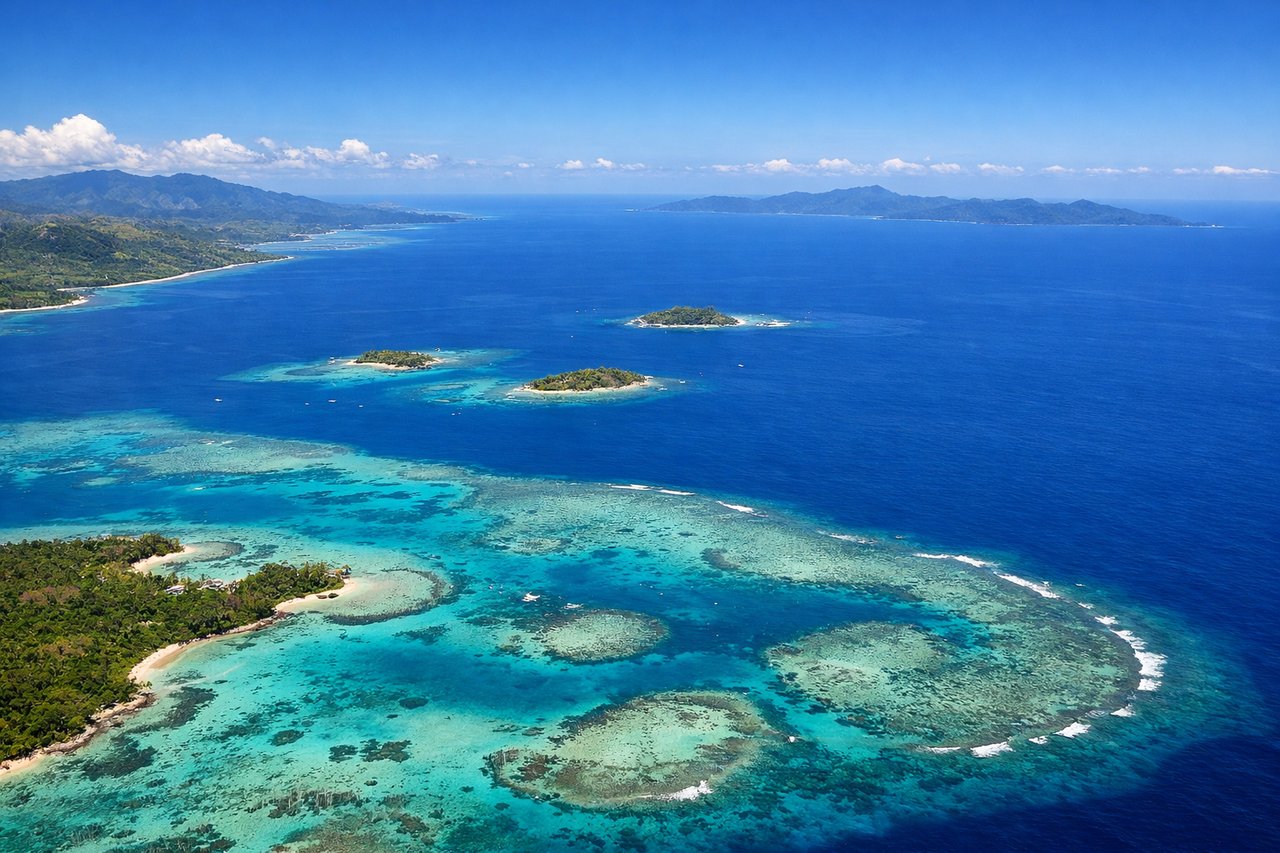
Takeoff from NAN
RIGHTDeparting NAN on runway 20 heading southwest, the right side faces west toward the Mamanuca and Yasawa Islands, with their turquoise lagoons and coral reefs clearly visible during the climb. The left side only shows Viti Levu's interior ridges briefly before the aircraft turns out to sea.
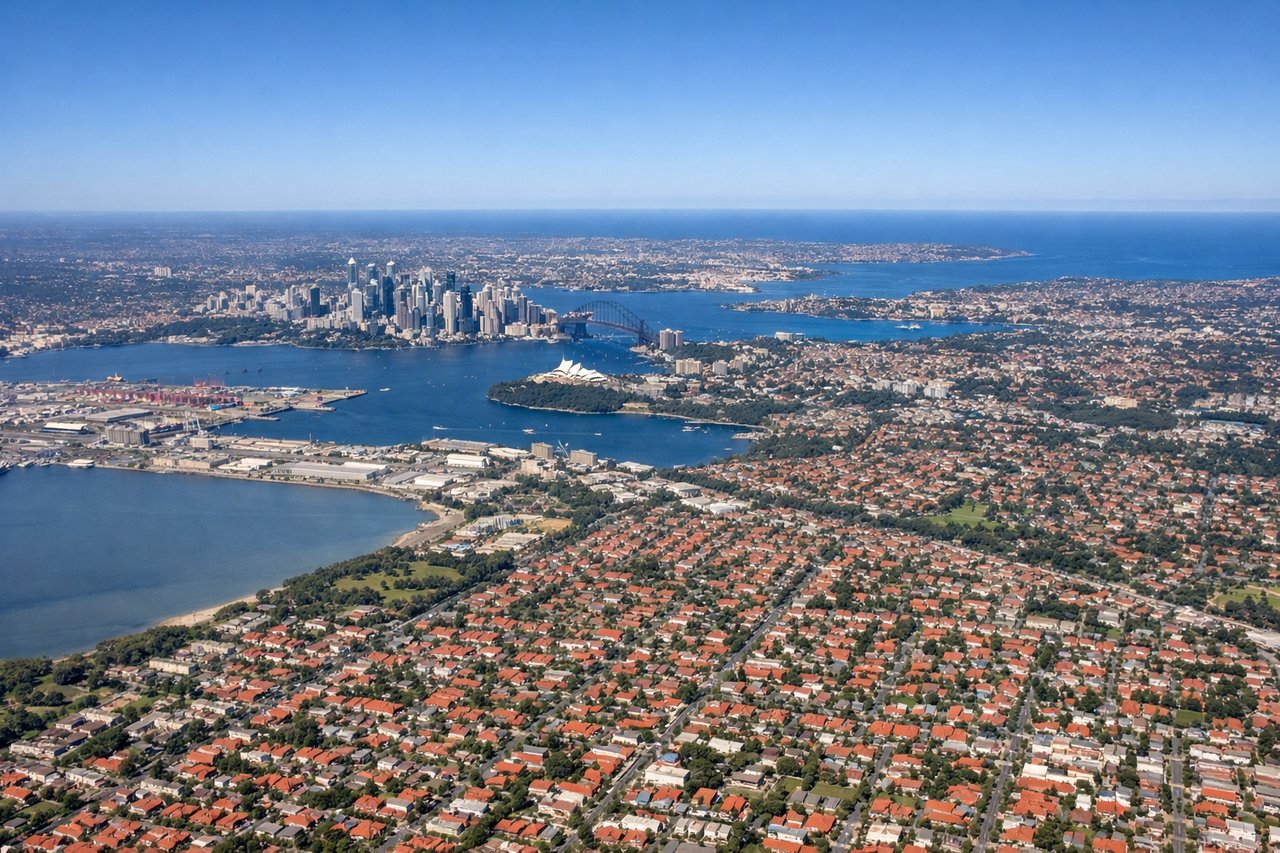
Landing at SYD
RIGHTOn the typical South Plan approach into SYD, arriving aircraft track south along the coast before turning onto final for runway 16R, passing over Sydney Harbour. Passengers on the right side get a clear view of the Harbour Bridge, Opera House, and CBD skyline just before touchdown.
Landmarks on this routeAll landmarks →
Will your flight be in sunlight?
See exactly which side of the plane gets sun and shade at your departure time.
About This Route
Which side of the plane should I sit on flying from Nadi International (NAN) to Kingsford Smith International Airport (SYD)?
Sit on the Right side of the plane for the best views on flights from Nandi to Sydney. The right side wins on both ends of the flight — scenic island views over Fiji's coral lagoons at departure, and a rare direct pass over Sydney Harbour's iconic landmarks on arrival, while the left side offers little beyond open ocean.
What can I see during takeoff from Nadi International in Nandi?
During takeoff from Nadi International (NAN), sit on the Right side for the best views. Departing NAN on runway 20 heading southwest, the right side faces west toward the Mamanuca and Yasawa Islands, with their turquoise lagoons and coral reefs clearly visible during the climb. The left side only shows Viti Levu's interior ridges briefly before the aircraft turns out to sea. Notable sights include: Mamanuca Islands, Yasawa Islands, coral reef lagoons, Nadi Bay coastline.
What can I see when landing at Kingsford Smith International Airport in Sydney?
When landing at Kingsford Smith International Airport (SYD), sit on the Right side for the best views. On the typical South Plan approach into SYD, arriving aircraft track south along the coast before turning onto final for runway 16R, passing over Sydney Harbour. Passengers on the right side get a clear view of the Harbour Bridge, Opera House, and CBD skyline just before touchdown. Notable sights include: Sydney Harbour, Sydney Harbour Bridge, Opera House, CBD skyline.
How long is the flight from Nandi to Sydney?
The flight from Nadi International (NAN) to Kingsford Smith International Airport (SYD) takes 3h 45m.
What does the Nandi to Sydney flight path pass over?
Open Tasman Sea for most of the crossing, with the flight path passing near Lord Howe Island's volcanic peaks on clear days before the Australian coast comes into view.