While takeoff favors the right, the landing view from the left is significantly more dramatic and geographically distinctive. Port Phillip Bay and the Dandenong Ranges provide stronger visual landmarks than Shanghai's departure corridor.
Flight Path
The flight path crosses the South China Sea, passing south of Taiwan and the Philippines. Around the midpoint, you'll be over the Coral Sea north of Australia. Notable features include the Luzon Strait area (if visible during daylight), the vast open ocean with occasional weather systems, and the approach to Australia's eastern coast near the Great Barrier Reef region (though typically at altitude where reef detail is not visible). The Tasman Sea crossing in the final 2-3 hours offers open ocean with occasional cloud formations but limited landmark visibility.
Great circle distance and headings ›.jpg?width=600)

Phase by phase
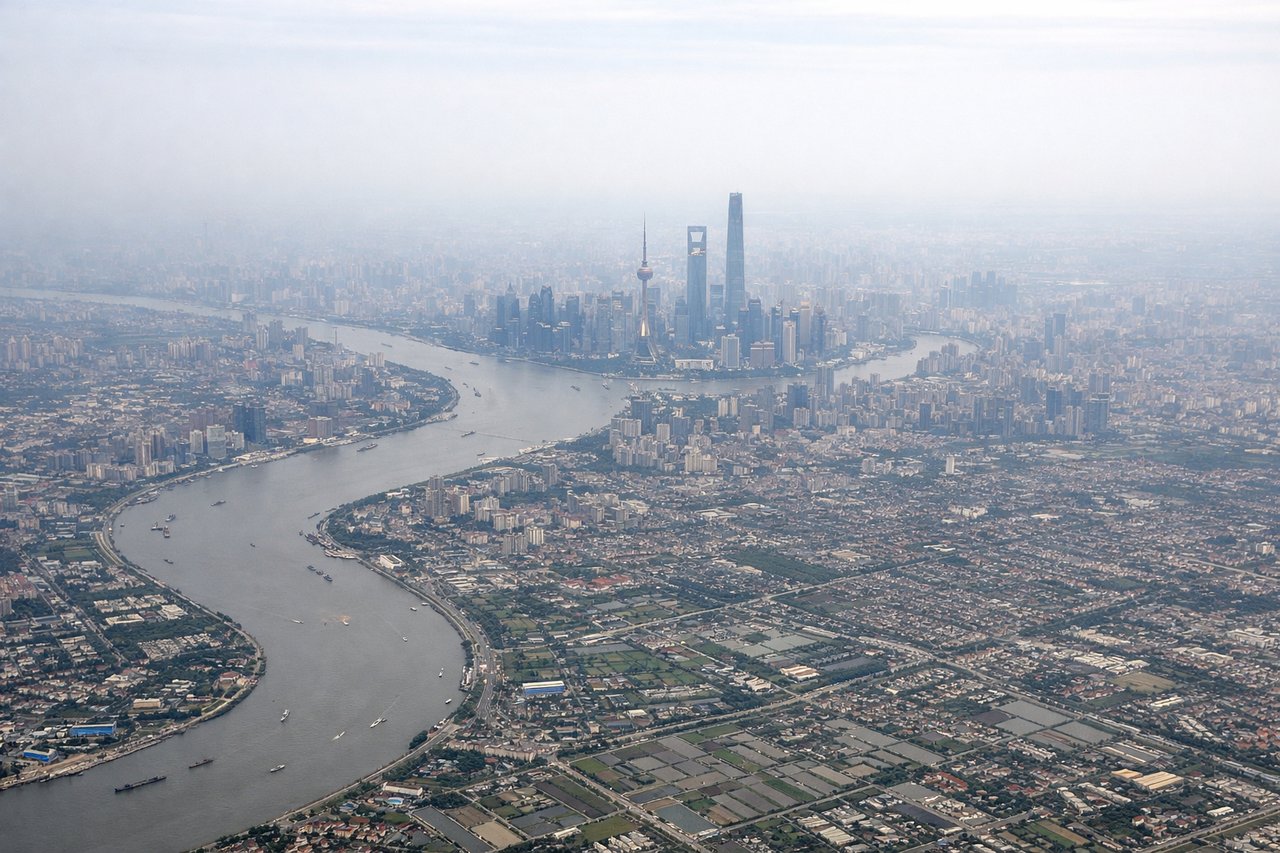
Takeoff from PVG
RIGHTRight-side seats capture the Huangpu River winding through Pudong's high-rise district during initial climb. The river's distinctive curves and the contrast between developed waterfront and surrounding areas are clearly visible up to 8,000 feet.
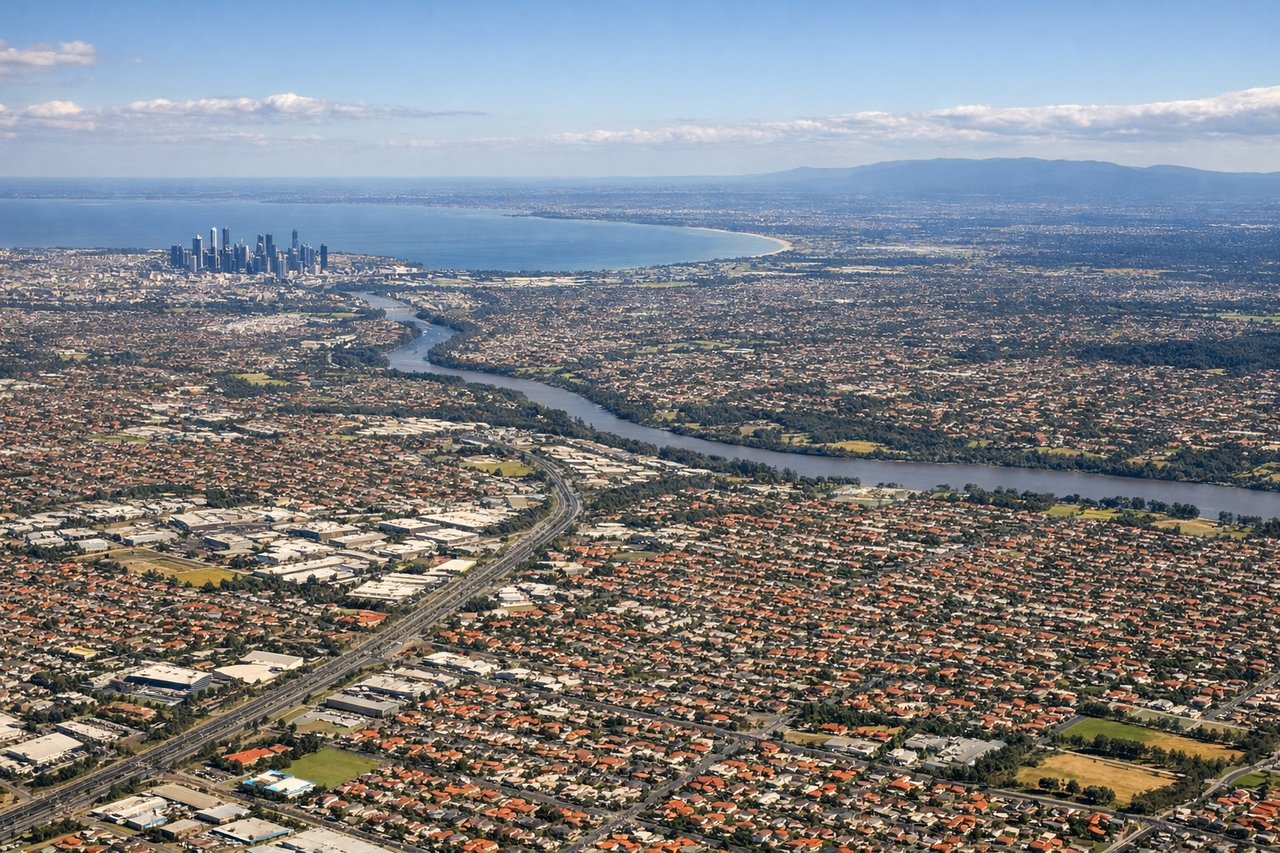
Landing at MEL
LEFTLeft-side seats on approach to Melbourne's primary runways (typically 27L/27R) offer views of Port Phillip Bay's distinctive blue waters and the Dandenong Ranges as a dark forested ridge on the horizon. The bay's shape and surrounding suburban sprawl provide strong geographic context.
Landmarks on this routeAll landmarks →
Will your flight be in sunlight?
See exactly which side of the plane gets sun and shade at your departure time.
About This Route
Which side of the plane should I sit on flying from Shanghai Pudong International (PVG) to Melbourne International (MEL)?
Sit on the Left side of the plane for the best views on flights from Shanghai to Melbourne. While takeoff favors the right, the landing view from the left is significantly more dramatic and geographically distinctive. Port Phillip Bay and the Dandenong Ranges provide stronger visual landmarks than Shanghai's departure corridor.
What can I see during takeoff from Shanghai Pudong International in Shanghai?
During takeoff from Shanghai Pudong International (PVG), sit on the Right side for the best views. Right-side seats capture the Huangpu River winding through Pudong's high-rise district during initial climb. The river's distinctive curves and the contrast between developed waterfront and surrounding areas are clearly visible up to 8,000 feet. Notable sights include: Huangpu River (immediate foreground), Pudong financial district skyline, Yangtze River estuary to the north, West Shanghai urban sprawl.
What can I see when landing at Melbourne International in Melbourne?
When landing at Melbourne International (MEL), sit on the Left side for the best views. Left-side seats on approach to Melbourne's primary runways (typically 27L/27R) offer views of Port Phillip Bay's distinctive blue waters and the Dandenong Ranges as a dark forested ridge on the horizon. The bay's shape and surrounding suburban sprawl provide strong geographic context. Notable sights include: Port Phillip Bay (dominant water feature), Dandenong Ranges (southeastern horizon), Melbourne CBD skyline (distant), Yarra River delta.
How long is the flight from Shanghai to Melbourne?
The flight from Shanghai Pudong International (PVG) to Melbourne International (MEL) takes Approximately 8.5 to 9 hours.
What does the Shanghai to Melbourne flight path pass over?
The flight path crosses the South China Sea, passing south of Taiwan and the Philippines. Around the midpoint, you'll be over the Coral Sea north of Australia. Notable features include the Luzon Strait area (if visible during daylight), the vast open ocean with occasional weather systems, and the approach to Australia's eastern coast near the Great Barrier Reef region (though typically at altitude where reef detail is not visible). The Tasman Sea crossing in the final 2-3 hours offers open ocean with occasional cloud formations but limited landmark visibility.