The departure from Reykjavik offers more visually dramatic scenery with Iceland's volcanic mountains and geothermal features. While the approach to Gdansk provides interesting river delta and coastal views, the takeoff experience is more spectacular and memorable.
Flown RKV to GDN? Did we get it right?
Flight Path
Reykjavik to Gdansk is 1,544 miles (2,484 km), a flight of about 4 hours 15 minutes.
The flight path crosses the North Atlantic at high altitude, passing over the Norwegian Sea and the waters west of Norway. At cruise altitude (around 35,000 feet), passengers may glimpse the Norwegian coast and fjords in the distance if conditions permit, though most of the mid-flight segment is open ocean. The aircraft then approaches continental Europe, with the North Sea visible before descending toward Poland's Baltic coast.
Great circle distance and headings ›


Phase by phase
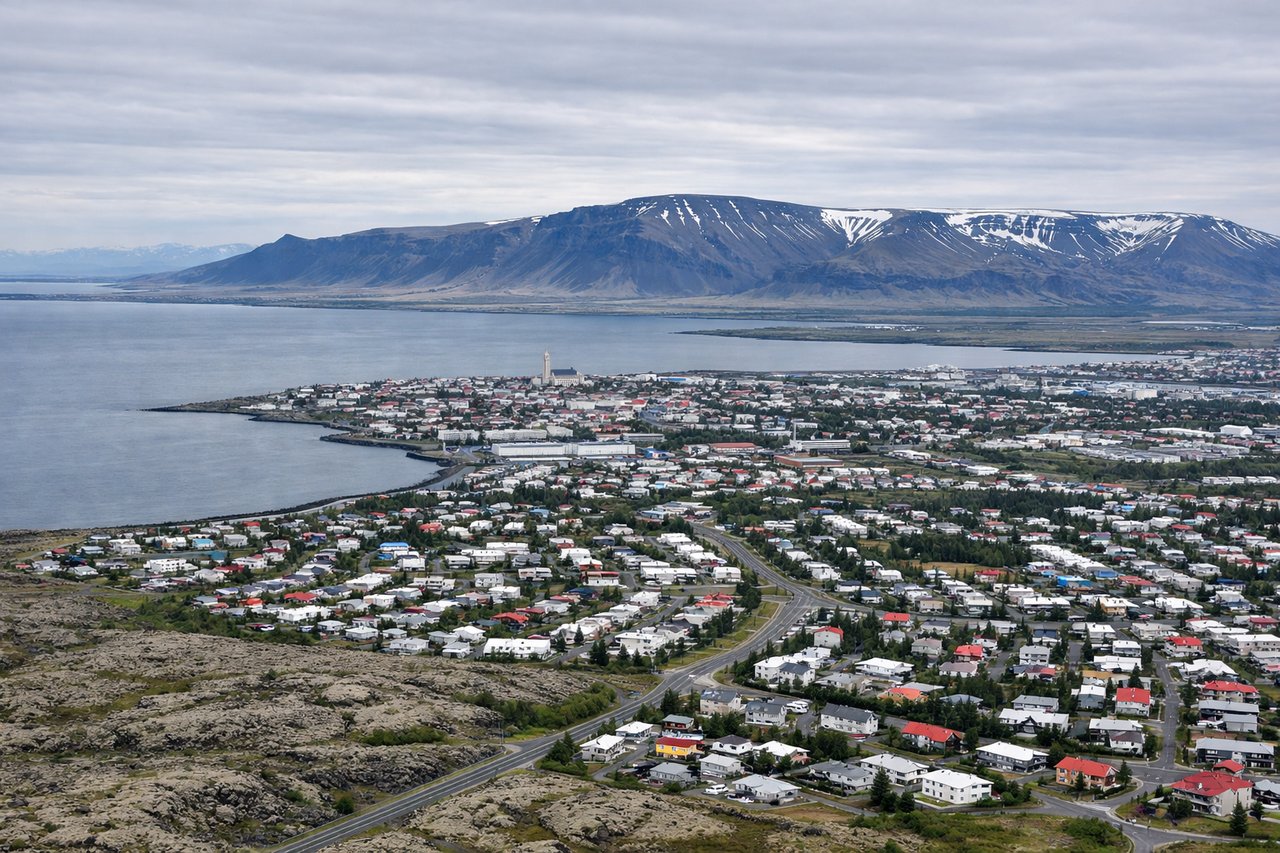
Takeoff from RKV
LEFTLeft-side seats face north and northwest during departure, offering views of Iceland's dramatic volcanic landscape and the North Atlantic coastline as the aircraft climbs out from Reykjavik.
Landing at GDN
RIGHTRight-side seats face west and southwest during approach to Gdansk, providing views of the Vistula River delta, the Baltic coastline, and the city's layout as the aircraft descends toward Rebiechowo Airport.
Will your flight be in sunlight?
Pick a date and time in the Sun Map to watch the sun move across your whole flight.
About This Route
Which side of the plane should I sit on flying from Reykjavik (RKV) to Rebiechowo (GDN)?
Sit on the Left side of the plane for the best views on flights from Reykjavik to Gdansk. The departure from Reykjavik offers more visually dramatic scenery with Iceland's volcanic mountains and geothermal features. While the approach to Gdansk provides interesting river delta and coastal views, the takeoff experience is more spectacular and memorable.
What can I see during takeoff from Reykjavik in Reykjavik?
During takeoff from Reykjavik (RKV), sit on the Left side for the best views. Left-side seats face north and northwest during departure, offering views of Iceland's dramatic volcanic landscape and the North Atlantic coastline as the aircraft climbs out from Reykjavik. Notable sights include: Reykjavik city sprawl and harbor, Mount Esja (north of airport), Hengill geothermal area, North Atlantic coastline.
What can I see when landing at Rebiechowo in Gdansk?
When landing at Rebiechowo (GDN), sit on the Right side for the best views. Right-side seats face west and southwest during approach to Gdansk, providing views of the Vistula River delta, the Baltic coastline, and the city's layout as the aircraft descends toward Rebiechowo Airport. Notable sights include: Vistula River delta and estuary, Gdansk Bay and Baltic Sea coastline, Gdansk city center and Motława River, Rebiechowo Airport and surrounding flat terrain.
How long is the flight from Reykjavik to Gdansk?
The flight from Reykjavik (RKV) to Rebiechowo (GDN) takes about 4 hours 15 minutes. The shortest flight path between them is 1,544 miles (2,484 km); winds and air traffic control usually add a few percent.
What does the Reykjavik to Gdansk flight path pass over?
The flight path crosses the North Atlantic at high altitude, passing over the Norwegian Sea and the waters west of Norway. At cruise altitude (around 35,000 feet), passengers may glimpse the Norwegian coast and fjords in the distance if conditions permit, though most of the mid-flight segment is open ocean. The aircraft then approaches continental Europe, with the North Sea visible before descending toward Poland's Baltic coast.