While the left side offers dramatic Icelandic geology at takeoff, the right side provides superior views for most of the flight and especially during the critical descent phase into London City. The Thames approach is visually distinctive and memorable.
Flown RKV to LCY? Did we get it right?
Flight Path
Reykjavik to London is 1,178 miles (1,896 km), a flight of about 2 hours 55 minutes.
The flight path crosses the North Sea. Notable features include the Scottish coastline (Firth of Forth, Edinburgh area) visible on the left during the mid-flight descent phase, and the English coastline approaching from the northeast (Norfolk coast, then the Thames estuary). The North Sea itself offers little visual interest—mostly open water—but the transition from Scottish highlands to English lowlands is geographically significant.
Great circle distance and headings ›


Phase by phase
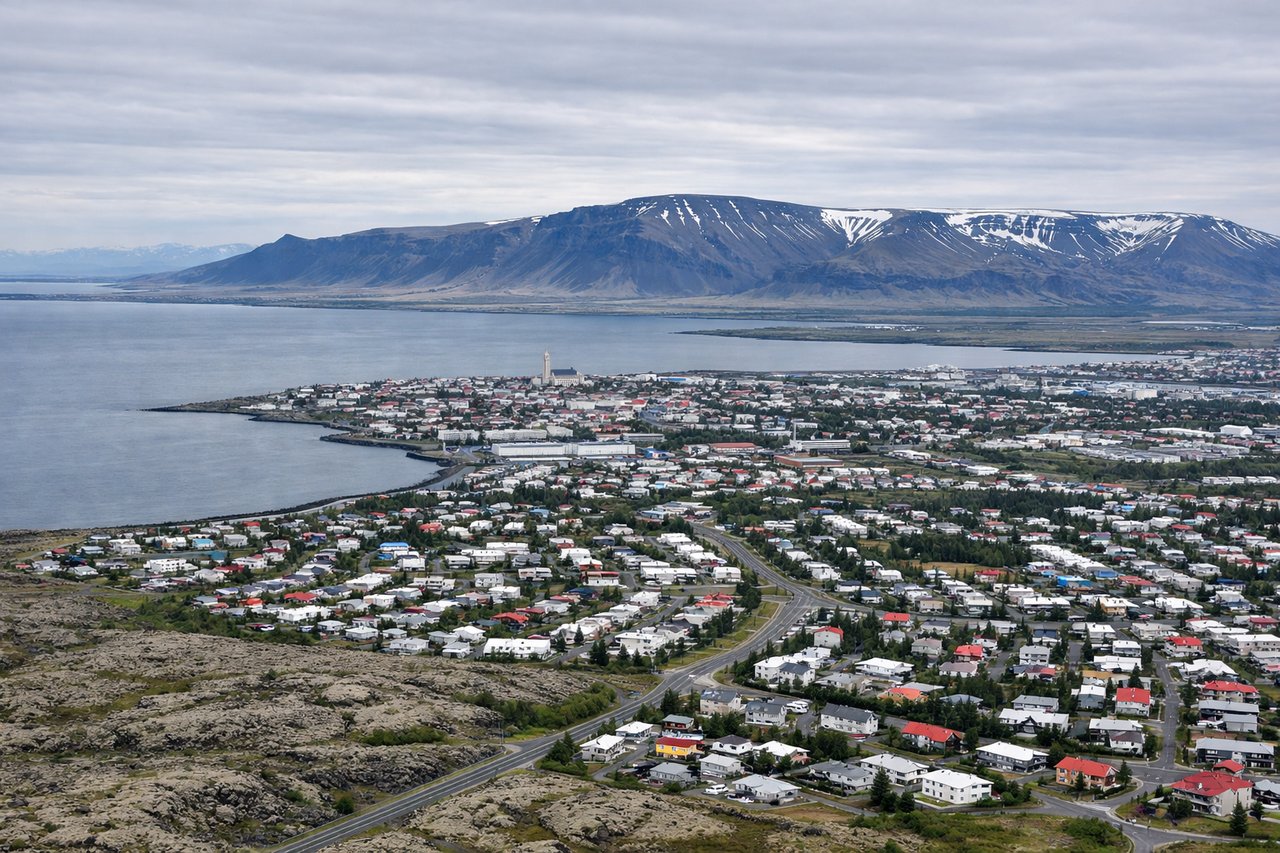
Takeoff from RKV
LEFTLeft side captures the dramatic volcanic landscape immediately south and east of Reykjavik during climb-out. You'll see the Reykjanes Peninsula's lava fields and the geothermal areas that define Iceland's geology.
Landing at LCY
RIGHTRight side offers the best views during descent into London City Airport. You'll see the Thames meanders through central London, with recognizable landmarks like the City of London financial district, Tower Bridge, and the Isle of Dogs clearly visible.
Will your flight be in sunlight?
Pick a date and time in the Sun Map to watch the sun move across your whole flight.
About This Route
Which side of the plane should I sit on flying from Reykjavik (RKV) to City (LCY)?
Sit on the Right side of the plane for the best views on flights from Reykjavik to London. While the left side offers dramatic Icelandic geology at takeoff, the right side provides superior views for most of the flight and especially during the critical descent phase into London City. The Thames approach is visually distinctive and memorable.
What can I see during takeoff from Reykjavik in Reykjavik?
During takeoff from Reykjavik (RKV), sit on the Left side for the best views. Left side captures the dramatic volcanic landscape immediately south and east of Reykjavik during climb-out. You'll see the Reykjanes Peninsula's lava fields and the geothermal areas that define Iceland's geology. Notable sights include: Reykjanes Peninsula lava fields, Mount Keilir (volcanic cone), Kleifarvatn lake, geothermal steam vents near Svartsengi.
What can I see when landing at City in London?
When landing at City (LCY), sit on the Right side for the best views. Right side offers the best views during descent into London City Airport. You'll see the Thames meanders through central London, with recognizable landmarks like the City of London financial district, Tower Bridge, and the Isle of Dogs clearly visible. Notable sights include: River Thames with its distinctive meanders, Isle of Dogs peninsula, Tower Bridge area, City of London skyline.
How long is the flight from Reykjavik to London?
The flight from Reykjavik (RKV) to City (LCY) takes about 2 hours 55 minutes. The shortest flight path between them is 1,178 miles (1,896 km); winds and air traffic control usually add a few percent.
What does the Reykjavik to London flight path pass over?
The flight path crosses the North Sea. Notable features include the Scottish coastline (Firth of Forth, Edinburgh area) visible on the left during the mid-flight descent phase, and the English coastline approaching from the northeast (Norfolk coast, then the Thames estuary). The North Sea itself offers little visual interest—mostly open water—but the transition from Scottish highlands to English lowlands is geographically significant.