While the takeoff offers interesting volcanic geology, the landing view into Nice is superior—the Maritime Alps, Mediterranean coastline, and Baie des Anges create a more dramatic and visually rewarding finale. Right side captures the most iconic scenery of this route.
Flown RKV to NCE? Did we get it right?
Flight Path
Reykjavik to Nice is 1,814 miles (2,919 km), a flight of about 4 hours 5 minutes.
The flight path crosses the North Sea and English Channel, passing over southern England and the Bay of Biscay. Notable features include the Cornish coastline (if visible during daylight), the Pyrenees on the France-Spain border (visible as a distant ridge on the right side during the southern leg), and the transition from Atlantic waters to the Mediterranean basin as you approach southern France.
Great circle distance and headings ›


Phase by phase
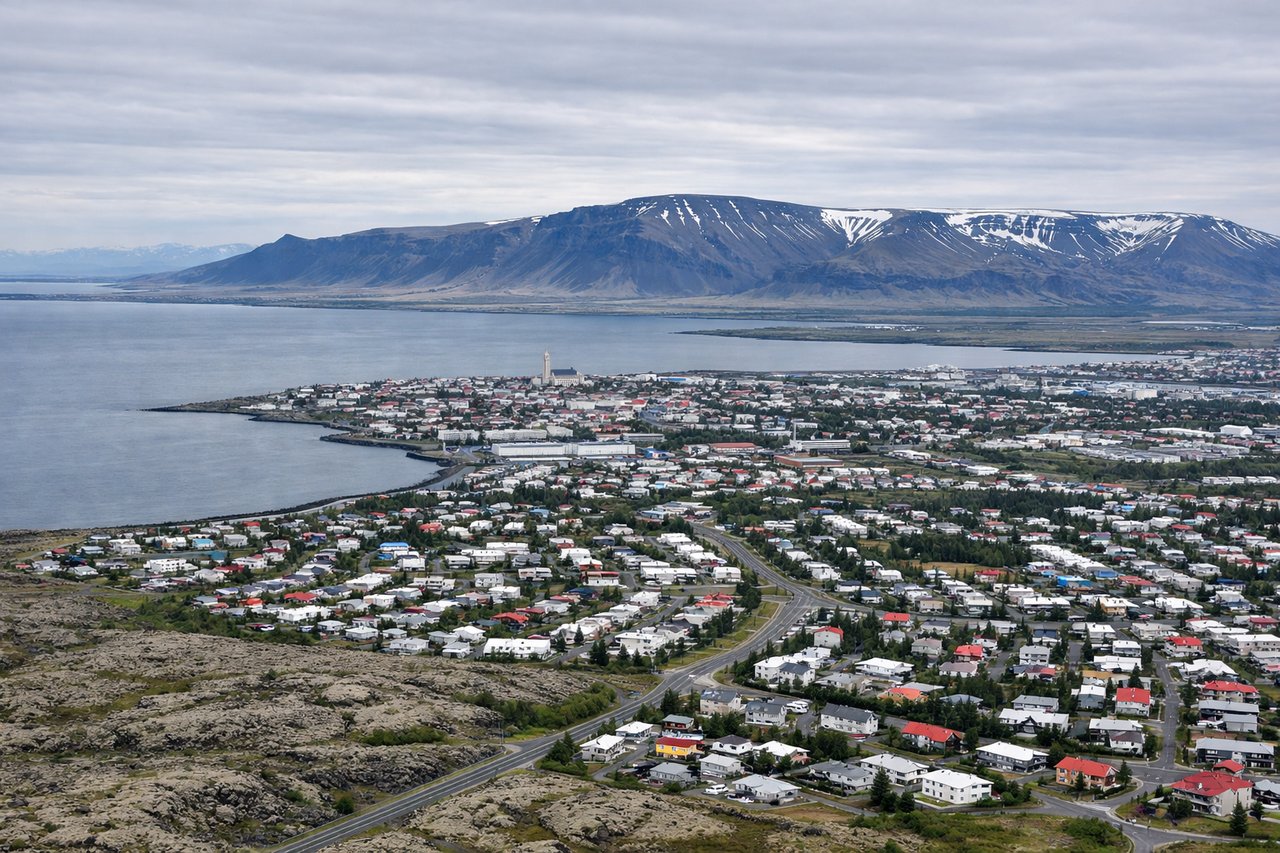
Takeoff from RKV
LEFTLeft side offers views of Reykjavik's coastal geography and the immediate volcanic terrain surrounding the airport. You'll see the city sprawl along the coast and the darker lava fields that characterize the Reykjanes Peninsula.
Landing at NCE
RIGHTRight side provides excellent views during descent into Nice. You'll see the French Riviera coastline, the Baie des Anges (Bay of Angels), and the Maritime Alps rising inland—the dramatic backdrop that defines the Nice approach.
Will your flight be in sunlight?
Pick a date and time in the Sun Map to watch the sun move across your whole flight.
About This Route
Which side of the plane should I sit on flying from Reykjavik (RKV) to Cote D Azur (NCE)?
Sit on the Right side of the plane for the best views on flights from Reykjavik to Nice. While the takeoff offers interesting volcanic geology, the landing view into Nice is superior—the Maritime Alps, Mediterranean coastline, and Baie des Anges create a more dramatic and visually rewarding finale. Right side captures the most iconic scenery of this route.
What can I see during takeoff from Reykjavik in Reykjavik?
During takeoff from Reykjavik (RKV), sit on the Left side for the best views. Left side offers views of Reykjavik's coastal geography and the immediate volcanic terrain surrounding the airport. You'll see the city sprawl along the coast and the darker lava fields that characterize the Reykjanes Peninsula. Notable sights include: Reykjavik city and harbor, Reykjanes Peninsula lava fields, Atlantic coastline, nearby volcanic cones.
What can I see when landing at Cote D Azur in Nice?
When landing at Cote D Azur (NCE), sit on the Right side for the best views. Right side provides excellent views during descent into Nice. You'll see the French Riviera coastline, the Baie des Anges (Bay of Angels), and the Maritime Alps rising inland—the dramatic backdrop that defines the Nice approach. Notable sights include: Maritime Alps, Baie des Anges coastline, Promenade des Anglais and Nice waterfront, Esterel Massif to the west.
How long is the flight from Reykjavik to Nice?
The flight from Reykjavik (RKV) to Cote D Azur (NCE) takes about 4 hours 5 minutes. The shortest flight path between them is 1,814 miles (2,919 km); winds and air traffic control usually add a few percent.
What does the Reykjavik to Nice flight path pass over?
The flight path crosses the North Sea and English Channel, passing over southern England and the Bay of Biscay. Notable features include the Cornish coastline (if visible during daylight), the Pyrenees on the France-Spain border (visible as a distant ridge on the right side during the southern leg), and the transition from Atlantic waters to the Mediterranean basin as you approach southern France.