Savannah to New York is 718 miles (1,155 km), a flight of about 2 hours 10 minutes.
While takeoff offers interesting coastal marsh scenery, the landing approach into JFK provides more dramatic and recognizable urban geography. Left-side seats capture the Hudson River, Manhattan skyline, and Jamaica Bay—iconic and visually striking features that make the flight memorable.
Flight Path
The flight path northeastward crosses the Outer Banks of North Carolina (visible as a thin sandy barrier island chain if flying at lower altitudes), then over the Atlantic coastal plain of Virginia and Maryland. The Chesapeake Bay may be visible to the left during cruise altitude, appearing as a large inland water body. As the aircraft approaches the New York area, the Delaware River and its valley become visible, followed by the New Jersey Pine Barrens and urban sprawl of the northeastern megalopolis.
Great circle distance and headings ›
.jpg?width=600)
Phase by phase
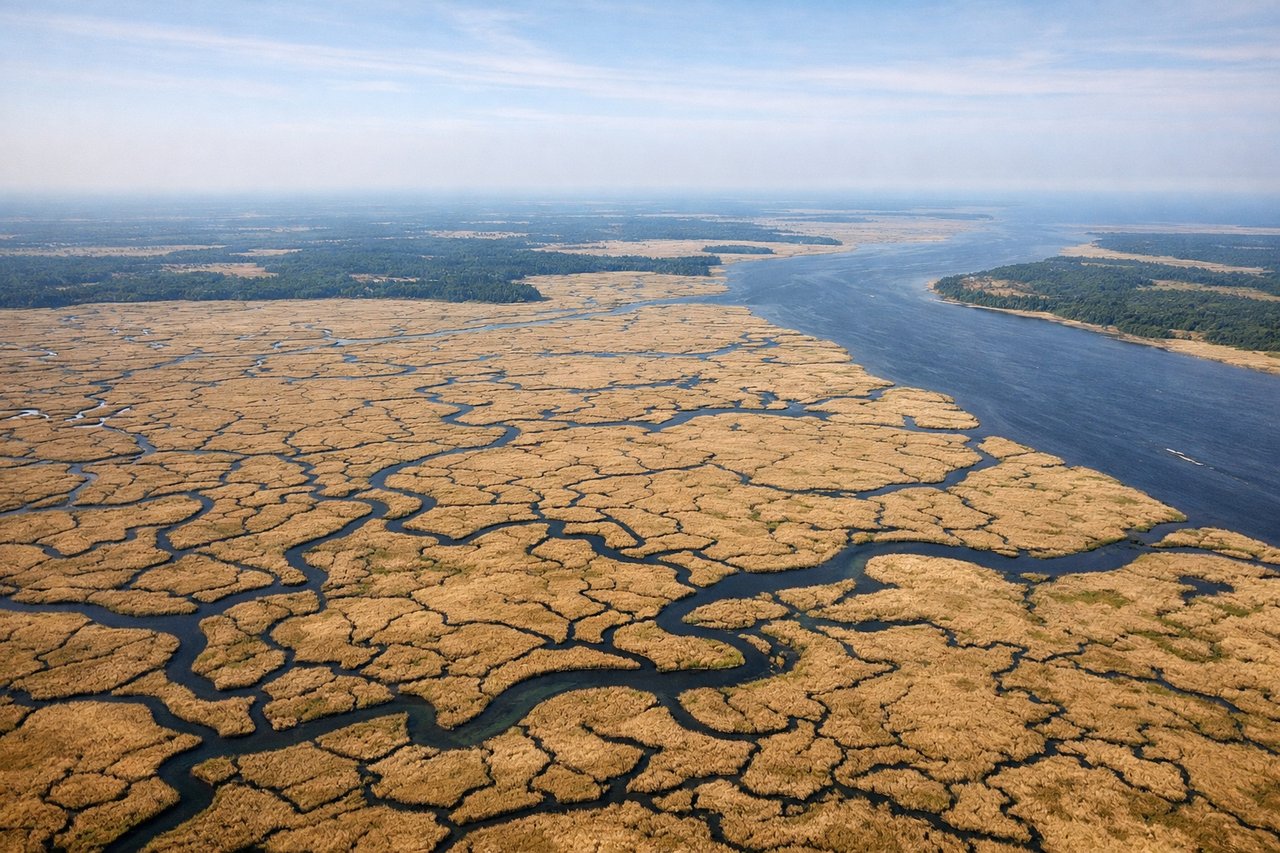
Takeoff from SAV
RIGHTRight-side seats offer views of the Savannah River estuary and Atlantic coastal marshlands immediately after departure. The aircraft climbs northeastward, so right-side passengers see the river delta, tidal creeks, and barrier islands spreading out below.
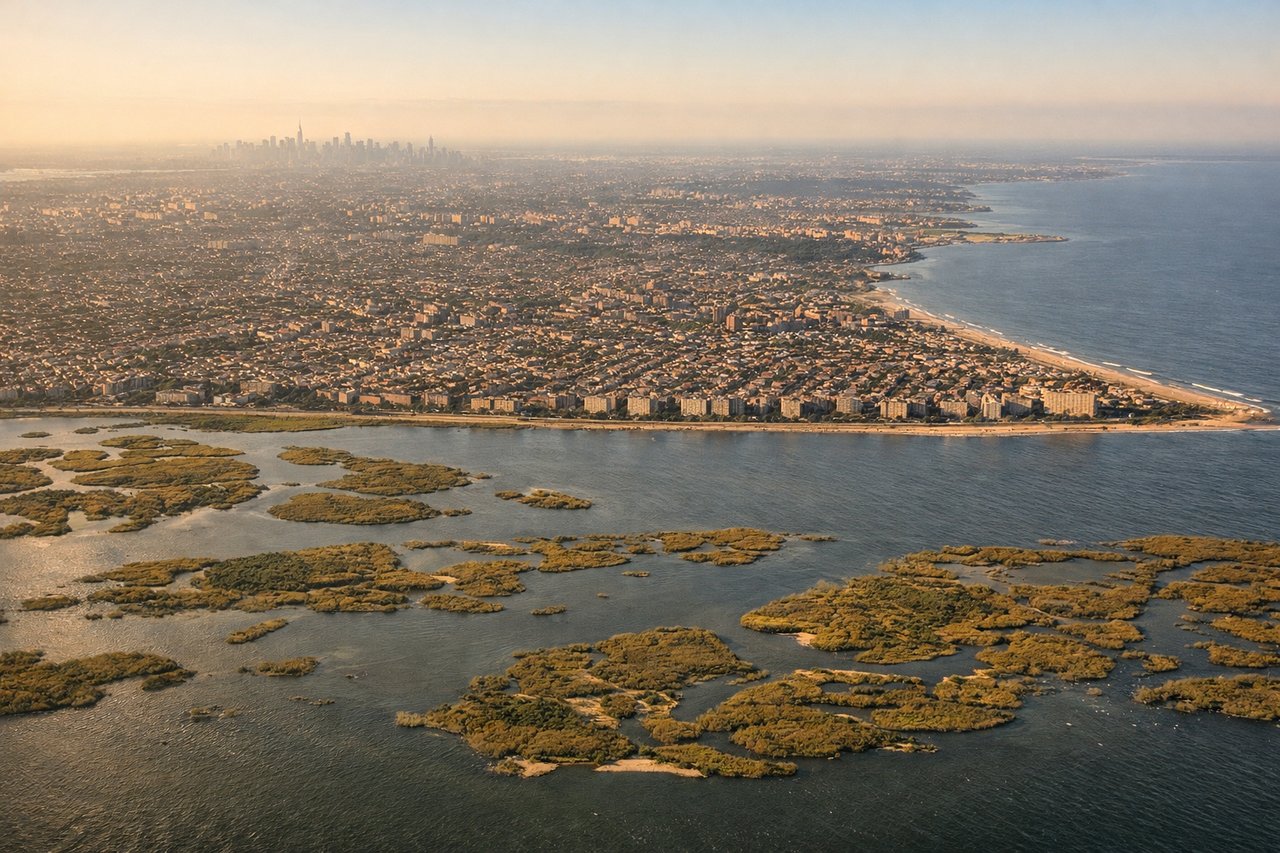
Landing at JFK
LEFTLeft-side seats provide excellent views during the descent into JFK. Aircraft approach from the southwest over New Jersey and Queens, so left-side passengers see the Hudson River, Manhattan's skyline, and the East River clearly. The final approach brings views of Jamaica Bay and the runway environment.
Landmarks on this routeAll landmarks →
Will your flight be in sunlight?
Pick a date and time in the Sun Map to watch the sun move across your whole flight.
About This Route
Which side of the plane should I sit on flying from Savannah Hilton Head International (SAV) to John F Kennedy International (JFK)?
Sit on the Left side of the plane for the best views on flights from Savannah to New York. While takeoff offers interesting coastal marsh scenery, the landing approach into JFK provides more dramatic and recognizable urban geography. Left-side seats capture the Hudson River, Manhattan skyline, and Jamaica Bay—iconic and visually striking features that make the flight memorable.
What can I see during takeoff from Savannah Hilton Head International in Savannah?
During takeoff from Savannah Hilton Head International (SAV), sit on the Right side for the best views. Right-side seats offer views of the Savannah River estuary and Atlantic coastal marshlands immediately after departure. The aircraft climbs northeastward, so right-side passengers see the river delta, tidal creeks, and barrier islands spreading out below. Notable sights include: Savannah River estuary, Tybee Island, Atlantic coastal salt marshes, Calibogue Sound.
What can I see when landing at John F Kennedy International in New York?
When landing at John F Kennedy International (JFK), sit on the Left side for the best views. Left-side seats provide excellent views during the descent into JFK. Aircraft approach from the southwest over New Jersey and Queens, so left-side passengers see the Hudson River, Manhattan's skyline, and the East River clearly. The final approach brings views of Jamaica Bay and the runway environment. Notable sights include: Hudson River, Manhattan skyline, East River, Jamaica Bay.
How long is the flight from Savannah to New York?
The flight from Savannah Hilton Head International (SAV) to John F Kennedy International (JFK) takes about 2 hours 10 minutes. The shortest flight path between them is 718 miles (1,155 km); winds and air traffic control usually add a few percent.
What does the Savannah to New York flight path pass over?
The flight path northeastward crosses the Outer Banks of North Carolina (visible as a thin sandy barrier island chain if flying at lower altitudes), then over the Atlantic coastal plain of Virginia and Maryland. The Chesapeake Bay may be visible to the left during cruise altitude, appearing as a large inland water body. As the aircraft approaches the New York area, the Delaware River and its valley become visible, followed by the New Jersey Pine Barrens and urban sprawl of the northeastern megalopolis.