Both sides face over 12 hours of open Pacific Ocean during cruise, capping their scores, but the right side's approach into Christchurch reveals the dramatic Southern Alps and Banks Peninsula, giving it a slight edge over the milder San Francisco coastal departure view on the left.
Flight Path
Open Pacific Ocean with no landmasses; the flight passes well east of Hawaii and west of French Polynesia with no visible terrain for most of the crossing
Great circle distance and headings ›Phase by phase
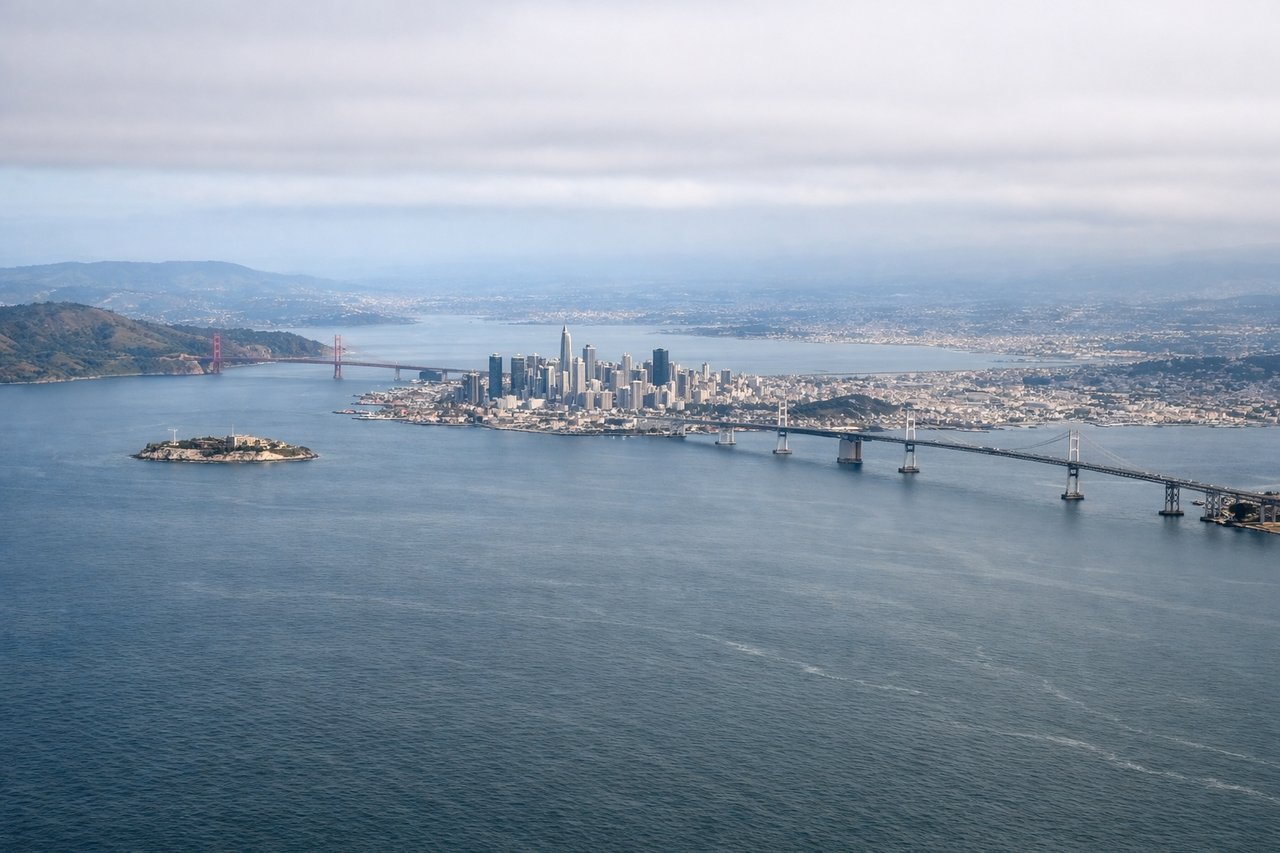
Takeoff from SFO
LEFTDeparting SFO on the westbound runway before turning south, the left side offers a last look at the San Francisco peninsula, the bay, and the coastal hills before the aircraft heads out over open Pacific water for the long crossing.
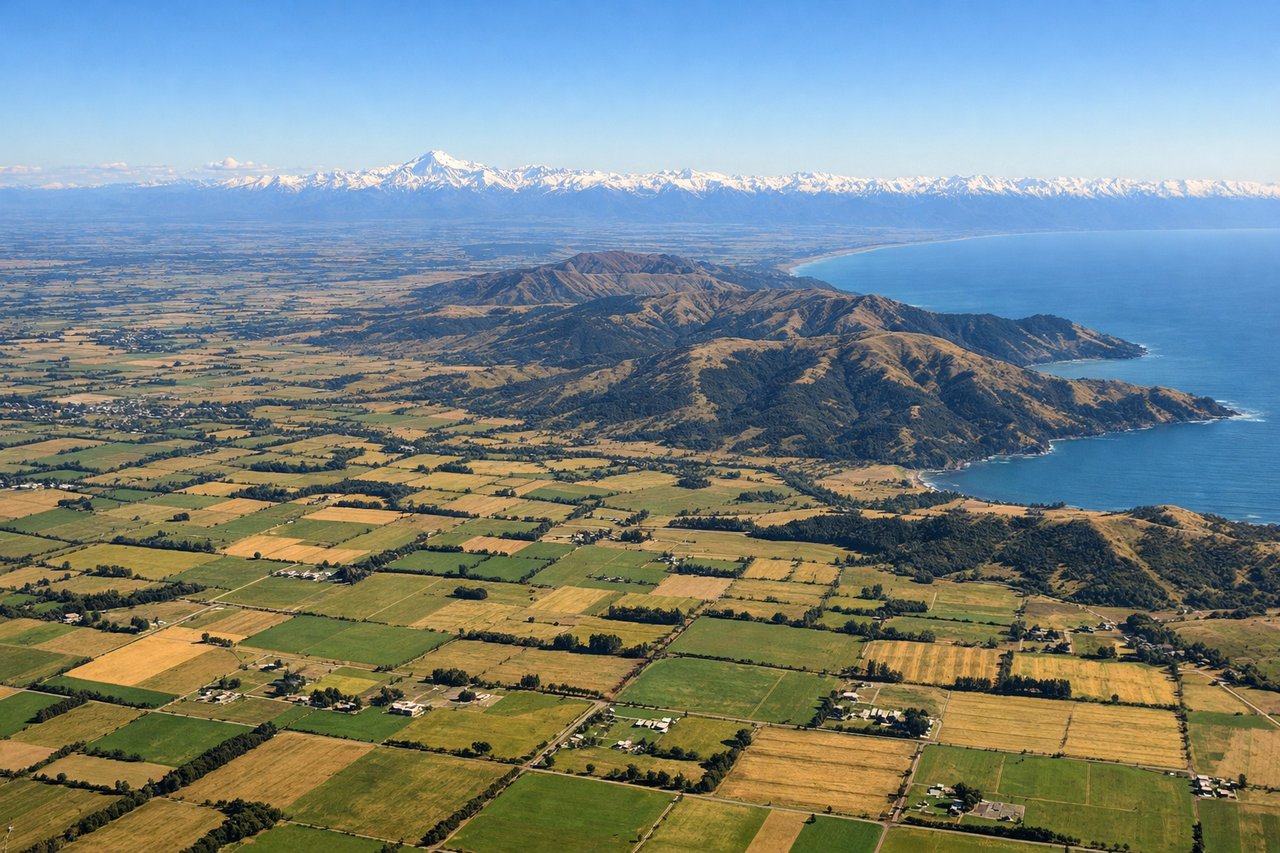
Landing at CHC
RIGHTOn approach to Christchurch from the north, the aircraft tracks south along the Canterbury coast, putting the snow-capped Southern Alps and their foothills on the right side, with Banks Peninsula's volcanic hills appearing ahead near touchdown.
Landmarks on this routeAll landmarks →
Will your flight be in sunlight?
See exactly which side of the plane gets sun and shade at your departure time.
About This Route
Which side of the plane should I sit on flying from San Francisco International (SFO) to Christchurch International (CHC)?
Sit on the Right side of the plane for the best views on flights from San Francisco to Christchurch. Both sides face over 12 hours of open Pacific Ocean during cruise, capping their scores, but the right side's approach into Christchurch reveals the dramatic Southern Alps and Banks Peninsula, giving it a slight edge over the milder San Francisco coastal departure view on the left.
What can I see during takeoff from San Francisco International in San Francisco?
During takeoff from San Francisco International (SFO), sit on the Left side for the best views. Departing SFO on the westbound runway before turning south, the left side offers a last look at the San Francisco peninsula, the bay, and the coastal hills before the aircraft heads out over open Pacific water for the long crossing. Notable sights include: San Francisco Peninsula, San Francisco Bay, Santa Cruz Mountains, Pacific coastline.
What can I see when landing at Christchurch International in Christchurch?
When landing at Christchurch International (CHC), sit on the Right side for the best views. On approach to Christchurch from the north, the aircraft tracks south along the Canterbury coast, putting the snow-capped Southern Alps and their foothills on the right side, with Banks Peninsula's volcanic hills appearing ahead near touchdown. Notable sights include: Southern Alps, Canterbury Plains, Banks Peninsula, Pacific coastline near Christchurch.
How long is the flight from San Francisco to Christchurch?
The flight from San Francisco International (SFO) to Christchurch International (CHC) takes 13h 10m.
What does the San Francisco to Christchurch flight path pass over?
Open Pacific Ocean with no landmasses; the flight passes well east of Hawaii and west of French Polynesia with no visible terrain for most of the crossing