The right side wins because it captures the dramatic Wasatch Range on departure and offers more varied scenery on arrival into Orlando's lake-studded terrain, while the left side sees mostly flat plains for the bulk of the flight.
Flight Path
Southern Rocky Mountains of Colorado, the High Plains of eastern Colorado and Kansas, and the Mississippi River valley are crossed during cruise before descending over Georgia into Florida.
Great circle distance and headings ›
.jpg?width=600)

Phase by phase
Takeoff from SLC
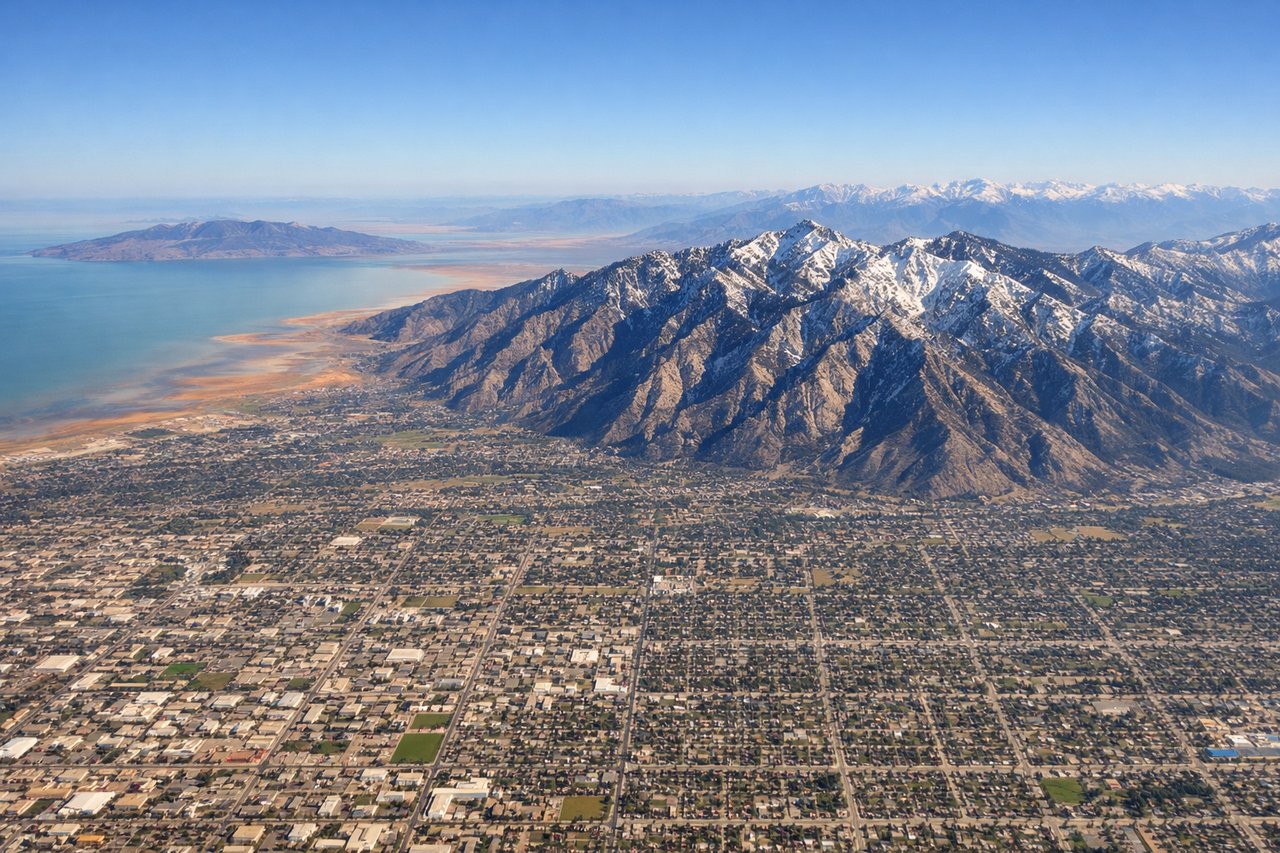
RIGHTSLC departures to the southeast typically climb out with the Wasatch Range visible off the right side as the aircraft banks east over the Salt Lake Valley. The jagged peaks and canyon mouths east of the city give a dramatic, close-up view during the initial climb.
Landing at MCO
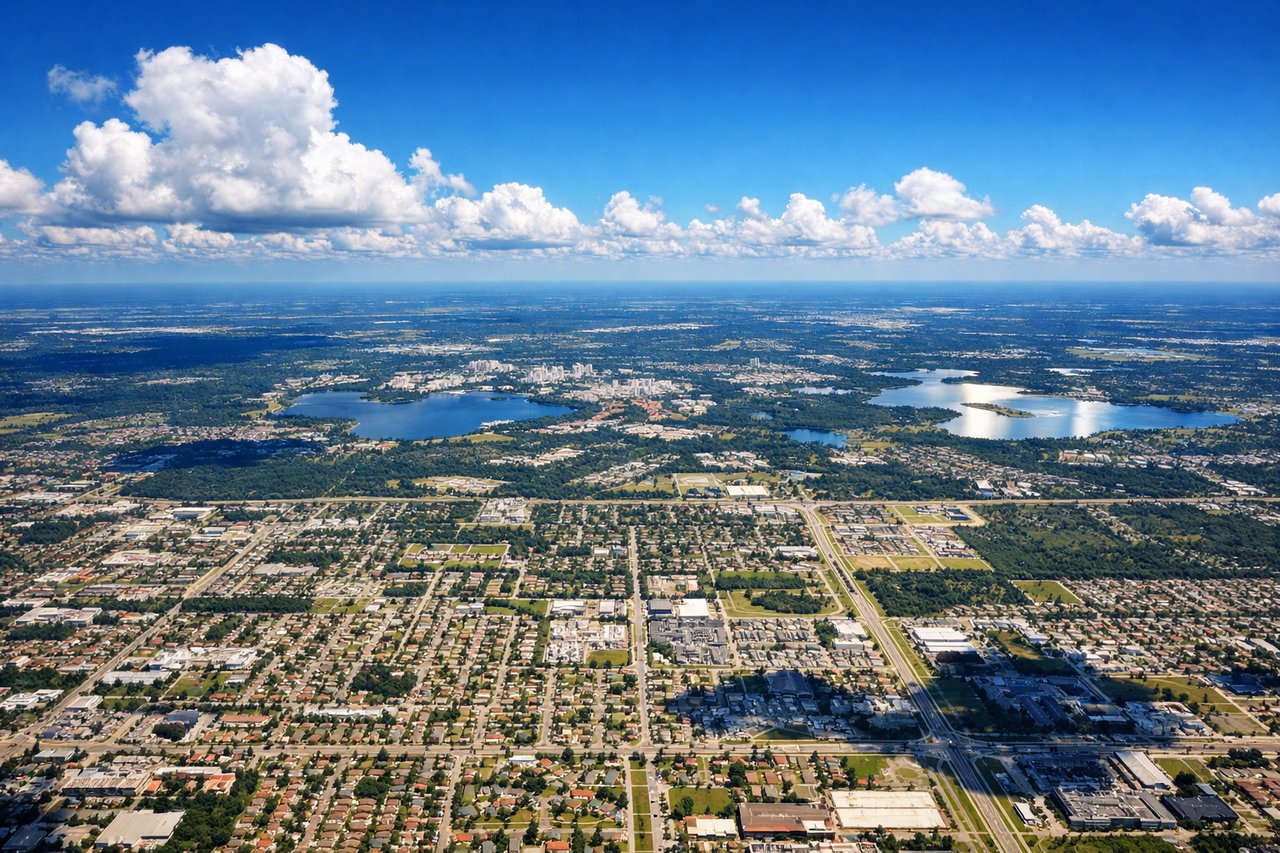
RIGHTOn approach into MCO from the west, the right side offers views of Orlando's lake-dotted terrain and the city's low skyline as the plane descends over the many small lakes that dot the region before touchdown. It's a gentler, greener contrast to the departure mountains but adds visual interest missing on the left.
Landmarks on this routeAll landmarks →
Will your flight be in sunlight?
See exactly which side of the plane gets sun and shade at your departure time.
About This Route
Which side of the plane should I sit on flying from Salt Lake City International (SLC) to Orlando International (MCO)?
Sit on the Right side of the plane for the best views on flights from Salt Lake City to Orlando. The right side wins because it captures the dramatic Wasatch Range on departure and offers more varied scenery on arrival into Orlando's lake-studded terrain, while the left side sees mostly flat plains for the bulk of the flight.
What can I see during takeoff from Salt Lake City International in Salt Lake City?
During takeoff from Salt Lake City International (SLC), sit on the Right side for the best views. SLC departures to the southeast typically climb out with the Wasatch Range visible off the right side as the aircraft banks east over the Salt Lake Valley. The jagged peaks and canyon mouths east of the city give a dramatic, close-up view during the initial climb. Notable sights include: Wasatch Range, Mount Olympus, Salt Lake Valley floor, Great Salt Lake (distant northwest).
What can I see when landing at Orlando International in Orlando?
When landing at Orlando International (MCO), sit on the Right side for the best views. On approach into MCO from the west, the right side offers views of Orlando's lake-dotted terrain and the city's low skyline as the plane descends over the many small lakes that dot the region before touchdown. It's a gentler, greener contrast to the departure mountains but adds visual interest missing on the left. Notable sights include: Orlando skyline, Lake Ivanhoe area, numerous small lakes, Orange County suburbs.
How long is the flight from Salt Lake City to Orlando?
The flight from Salt Lake City International (SLC) to Orlando International (MCO) takes 3h 50m.
What does the Salt Lake City to Orlando flight path pass over?
Southern Rocky Mountains of Colorado, the High Plains of eastern Colorado and Kansas, and the Mississippi River valley are crossed during cruise before descending over Georgia into Florida.