The right side captures the flight's strongest visual sequence: a London glimpse on departure, the Dolomite peaks and Italian Adriatic coast at cruise, and the dramatic Taurus/Bey Mountains framing Antalya Bay on arrival. The left side mostly offers open Balkan interior and hazy Aegean views with less definition.
Flight Path
The route crosses the Dolomite Alps of northern Italy, then the Adriatic Sea near the Croatian and Italian coasts, before passing over northern Greece near Thessaloniki and the Aegean Sea en route to Turkey's southern coast.
Great circle distance and headings ›.jpeg?width=600)


Phase by phase
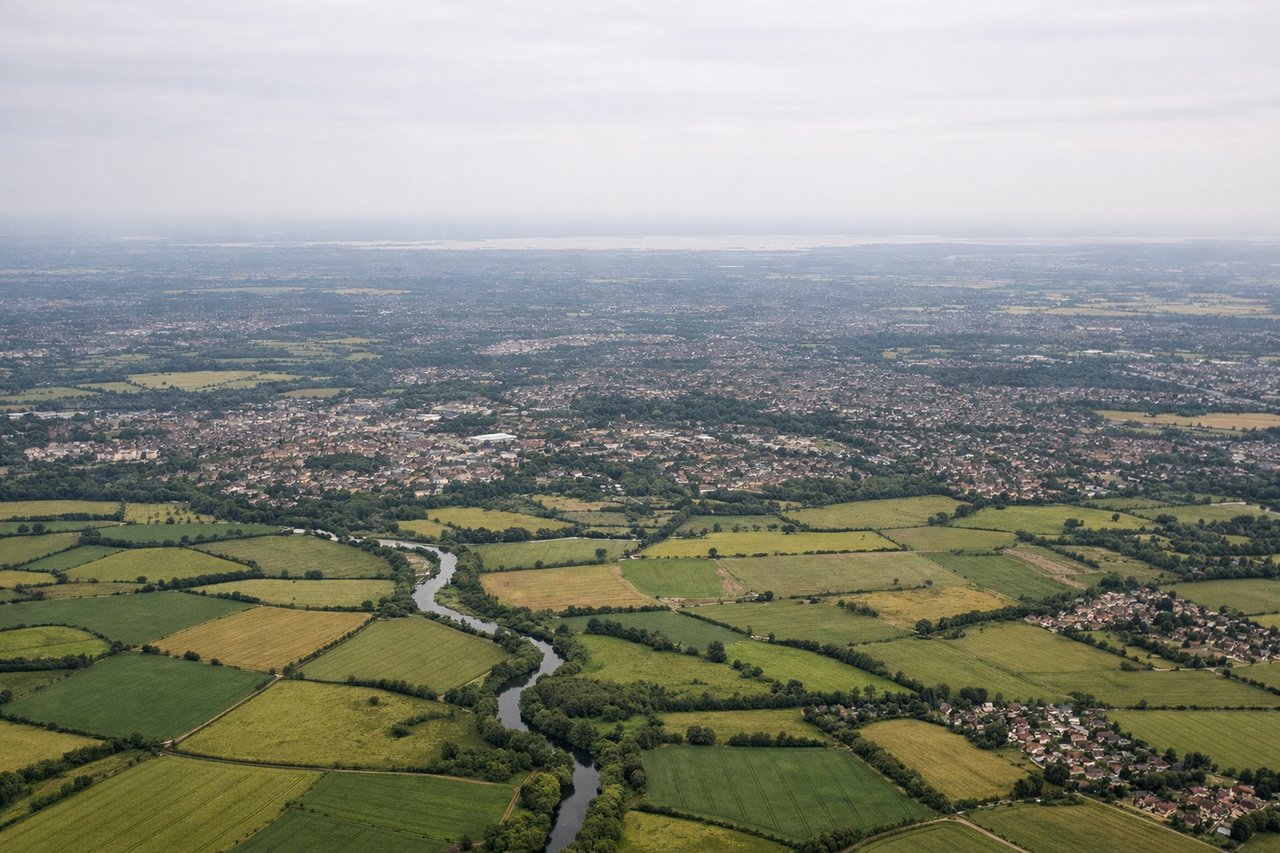
Takeoff from STN
RIGHTDeparting Stansted on runway 22 the aircraft initially points southwest toward London, then banks left to head southeast for the Continent, swinging the London skyline and Thames Estuary into view on the right side. Left-side passengers mainly see flat Essex farmland with little contrast.
Landing at AYT
RIGHTOn approach to Antalya's runway 36 the jet typically loops south over the bay before turning north to land, putting the steep Bey Mountains (Beydağları) and the Kemer coastline on the right as the turquoise Mediterranean and Antalya's harbor open up ahead. The left side mostly shows open sea during this maneuver.
Landmarks on this routeAll landmarks →
Will your flight be in sunlight?
See exactly which side of the plane gets sun and shade at your departure time.
About This Route
Which side of the plane should I sit on flying from Stansted (STN) to Antalya (AYT)?
Sit on the Right side of the plane for the best views on flights from London to Antalya. The right side captures the flight's strongest visual sequence: a London glimpse on departure, the Dolomite peaks and Italian Adriatic coast at cruise, and the dramatic Taurus/Bey Mountains framing Antalya Bay on arrival. The left side mostly offers open Balkan interior and hazy Aegean views with less definition.
What can I see during takeoff from Stansted in London?
During takeoff from Stansted (STN), sit on the Right side for the best views. Departing Stansted on runway 22 the aircraft initially points southwest toward London, then banks left to head southeast for the Continent, swinging the London skyline and Thames Estuary into view on the right side. Left-side passengers mainly see flat Essex farmland with little contrast. Notable sights include: Thames Estuary, London skyline (Canary Wharf/City cluster), Kent countryside, North Sea coastline near Dover.
What can I see when landing at Antalya in Antalya?
When landing at Antalya (AYT), sit on the Right side for the best views. On approach to Antalya's runway 36 the jet typically loops south over the bay before turning north to land, putting the steep Bey Mountains (Beydağları) and the Kemer coastline on the right as the turquoise Mediterranean and Antalya's harbor open up ahead. The left side mostly shows open sea during this maneuver. Notable sights include: Bey Mountains (Beydağları/Taurus foothills), Antalya Bay, Antalya old town harbor (Kaleiçi), Mediterranean coastline near Kemer.
How long is the flight from London to Antalya?
The flight from Stansted (STN) to Antalya (AYT) takes 4h 15m.
What does the London to Antalya flight path pass over?
The route crosses the Dolomite Alps of northern Italy, then the Adriatic Sea near the Croatian and Italian coasts, before passing over northern Greece near Thessaloniki and the Aegean Sea en route to Turkey's southern coast.