While takeoff offers East Anglian fenland interest, the landing approach to Ciampino provides superior views of Rome's dramatic volcanic geography and the city itself. The Alban Hills and crater lakes are genuinely striking features visible from altitude, making the left side the better choice for the overall journey.
Flight Path
The flight path crosses the English Channel (visible as a distinct water body with shipping lanes), then passes over northern France with the Seine valley and Paris region to the left/south, continues over the Alps' northern approaches (Mont Blanc massif visible on clear days as a distant snow-capped ridge to the right/east around cruise altitude), then descends over the Apennines before reaching the Campagna Romana plain surrounding Rome. The Mediterranean coast becomes visible approaching Italy's western edge.
Great circle distance and headings ›.jpeg?width=600)


.jpg?width=600)


Phase by phase
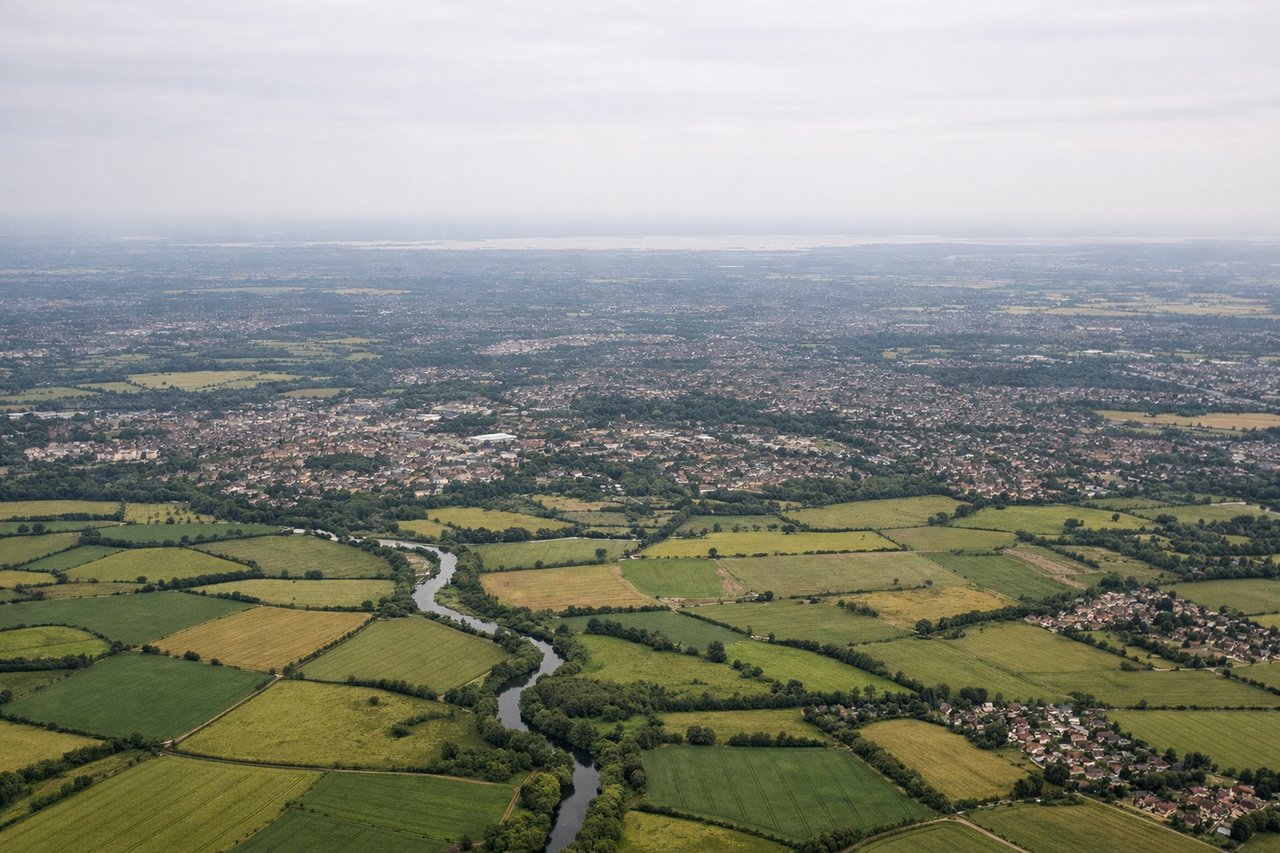
Takeoff from STN
RIGHTStansted typically departs eastbound (runways 03/21, with eastbound preference). Right-side seats face toward the North Sea coast and East Anglia's distinctive fenland patterns. You'll see the Essex coastline and early Channel approaches.
Landing at CIA
LEFTCiampino (CIA) typically uses runway 16/34, with approaches from the north. Left-side seats during descent provide views of the Alban Hills (Colli Albani), the distinctive volcanic crater lakes, and Rome's southern urban sprawl. This is the most visually dramatic approach to the city.
Landmarks on this routeAll landmarks →
Will your flight be in sunlight?
See exactly which side of the plane gets sun and shade at your departure time.
About This Route
Which side of the plane should I sit on flying from Stansted (STN) to Ciampino (CIA)?
Sit on the Left side of the plane for the best views on flights from London to Rome. While takeoff offers East Anglian fenland interest, the landing approach to Ciampino provides superior views of Rome's dramatic volcanic geography and the city itself. The Alban Hills and crater lakes are genuinely striking features visible from altitude, making the left side the better choice for the overall journey.
What can I see during takeoff from Stansted in London?
During takeoff from Stansted (STN), sit on the Right side for the best views. Stansted typically departs eastbound (runways 03/21, with eastbound preference). Right-side seats face toward the North Sea coast and East Anglia's distinctive fenland patterns. You'll see the Essex coastline and early Channel approaches. Notable sights include: Essex marshlands and river systems, North Sea horizon, East Anglian agricultural grid patterns, Thames estuary bend.
What can I see when landing at Ciampino in Rome?
When landing at Ciampino (CIA), sit on the Left side for the best views. Ciampino (CIA) typically uses runway 16/34, with approaches from the north. Left-side seats during descent provide views of the Alban Hills (Colli Albani), the distinctive volcanic crater lakes, and Rome's southern urban sprawl. This is the most visually dramatic approach to the city. Notable sights include: Alban Hills volcanic ridge, Lake Albano and Lake Nemi crater lakes, Roman Castelli Romani hill towns, Rome's southern suburbs and Appian Way corridor.
How long is the flight from London to Rome?
The flight from Stansted (STN) to Ciampino (CIA) takes Approximately 2 hours 15 minutes.
What does the London to Rome flight path pass over?
The flight path crosses the English Channel (visible as a distinct water body with shipping lanes), then passes over northern France with the Seine valley and Paris region to the left/south, continues over the Alps' northern approaches (Mont Blanc massif visible on clear days as a distant snow-capped ridge to the right/east around cruise altitude), then descends over the Apennines before reaching the Campagna Romana plain surrounding Rome. The Mediterranean coast becomes visible approaching Italy's western edge.