While takeoff favors the right for UK coastal views, the landing experience on the left—approaching over the massive Río de la Plata with Buenos Aires sprawling beneath—is more dramatic and memorable. The left side captures the defining geographical feature of the arrival.
Flight Path
Flight path crosses the Bay of Biscay (visible as open Atlantic during initial westbound leg), then over Portugal and Spain's interior, continues over Morocco and the Atlantic, crosses the equator over the central Atlantic (no visible landmarks), then approaches South America over the Brazilian coast and interior before descending toward Buenos Aires. The most notable midpoint feature is the transition from the narrow Atlantic crossing to the South American continent's approach, with the Brazilian coast and interior plateau becoming visible during the final 3-4 hours before descent into Argentina.
Great circle distance and headings ›.jpeg?width=600)
_(cropped).jpg?width=600)
Phase by phase
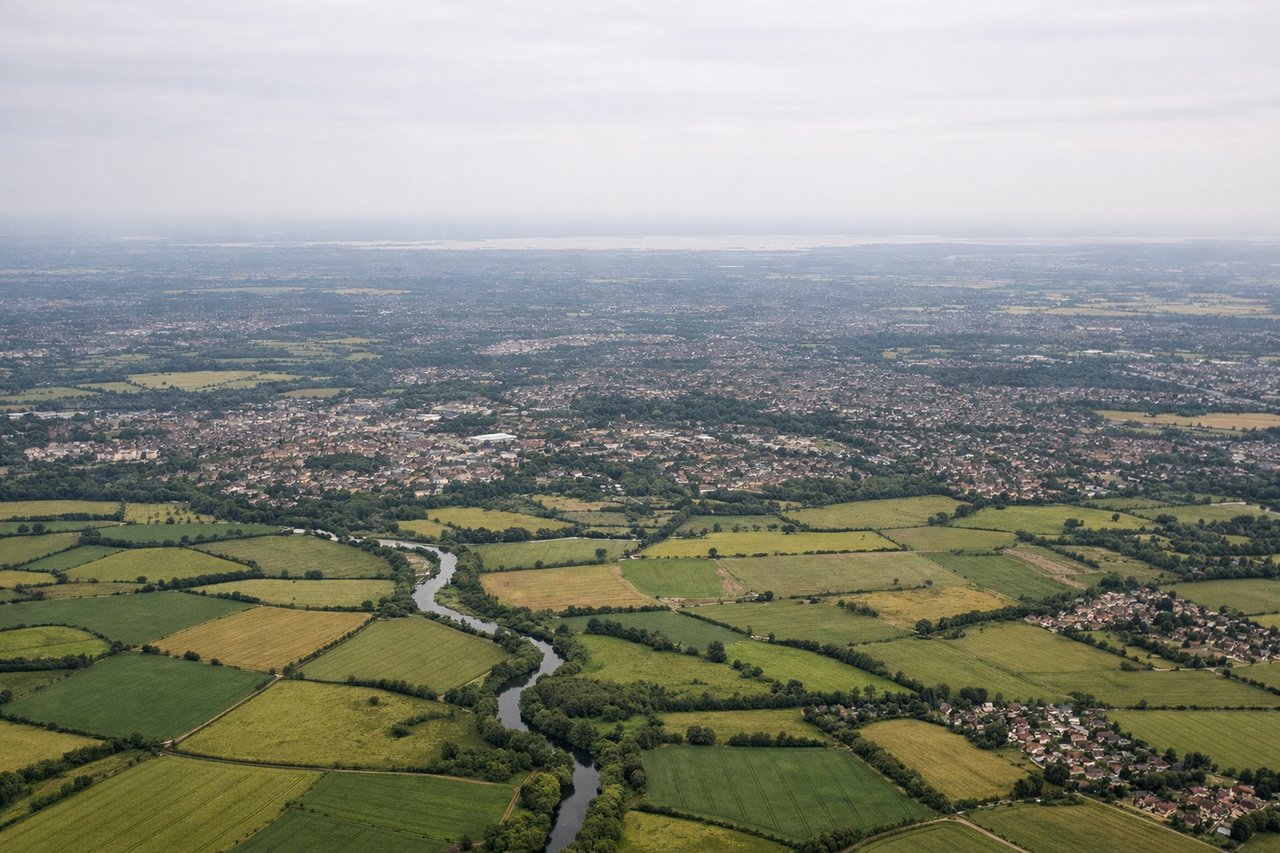
Takeoff from STN
RIGHTStansted typically departs eastbound (runways 03/21, with eastbound departures using 03). Right-side seats face toward the North Sea and East Anglia's coastline during initial climb, offering views of the Essex coast and the Thames Estuary before turning south over the Channel.

Landing at EZE
LEFTEzeiza operates with primary approaches from the east (runways 09/27, typically using 09 for westbound arrivals). Left-side seats during descent face toward the Río de la Plata's western shore and the approach path over Buenos Aires Province's flat terrain, offering views of the river's massive width and the city's sprawl before touchdown.
Landmarks on this routeAll landmarks →
Will your flight be in sunlight?
See exactly which side of the plane gets sun and shade at your departure time.
About This Route
Which side of the plane should I sit on flying from Stansted (STN) to Ezeiza Ministro Pistarini (EZE)?
Sit on the Left side of the plane for the best views on flights from London to Buenos Aires. While takeoff favors the right for UK coastal views, the landing experience on the left—approaching over the massive Río de la Plata with Buenos Aires sprawling beneath—is more dramatic and memorable. The left side captures the defining geographical feature of the arrival.
What can I see during takeoff from Stansted in London?
During takeoff from Stansted (STN), sit on the Right side for the best views. Stansted typically departs eastbound (runways 03/21, with eastbound departures using 03). Right-side seats face toward the North Sea and East Anglia's coastline during initial climb, offering views of the Essex coast and the Thames Estuary before turning south over the Channel. Notable sights include: Thames Estuary (immediate right), Essex coastline and marshlands, English Channel (right side during turn), Kent coast in distance.
What can I see when landing at Ezeiza Ministro Pistarini in Buenos Aires?
When landing at Ezeiza Ministro Pistarini (EZE), sit on the Left side for the best views. Ezeiza operates with primary approaches from the east (runways 09/27, typically using 09 for westbound arrivals). Left-side seats during descent face toward the Río de la Plata's western shore and the approach path over Buenos Aires Province's flat terrain, offering views of the river's massive width and the city's sprawl before touchdown. Notable sights include: Río de la Plata (dominant left side), Buenos Aires urban sprawl and suburbs, Paraná River delta region (right/north), flat pampas terrain.
How long is the flight from London to Buenos Aires?
The flight from Stansted (STN) to Ezeiza Ministro Pistarini (EZE) takes Approximately 13-14 hours.
What does the London to Buenos Aires flight path pass over?
Flight path crosses the Bay of Biscay (visible as open Atlantic during initial westbound leg), then over Portugal and Spain's interior, continues over Morocco and the Atlantic, crosses the equator over the central Atlantic (no visible landmarks), then approaches South America over the Brazilian coast and interior before descending toward Buenos Aires. The most notable midpoint feature is the transition from the narrow Atlantic crossing to the South American continent's approach, with the Brazilian coast and interior plateau becoming visible during the final 3-4 hours before descent into Argentina.