Right-side seats score higher (3.5 vs 2.5) because they capture both the English Channel and Kent coastline during departure, and the dramatic Mediterranean approach with Cyprus's northern mountains and Larnaca Bay during landing. Left-side views are dominated by flat Essex farmland on departure and open sea on approach, offering minimal scenic variety across the full flight.
Flight Path
English Channel, Bay of Biscay, Iberian Peninsula (Spain/Portugal coast visible to the south), Mediterranean Sea, Greek islands (Crete visible on southern route), Cyprus island interior with Kyrenia Mountains dominating the north coast
Great circle distance and headings ›Phase by phase
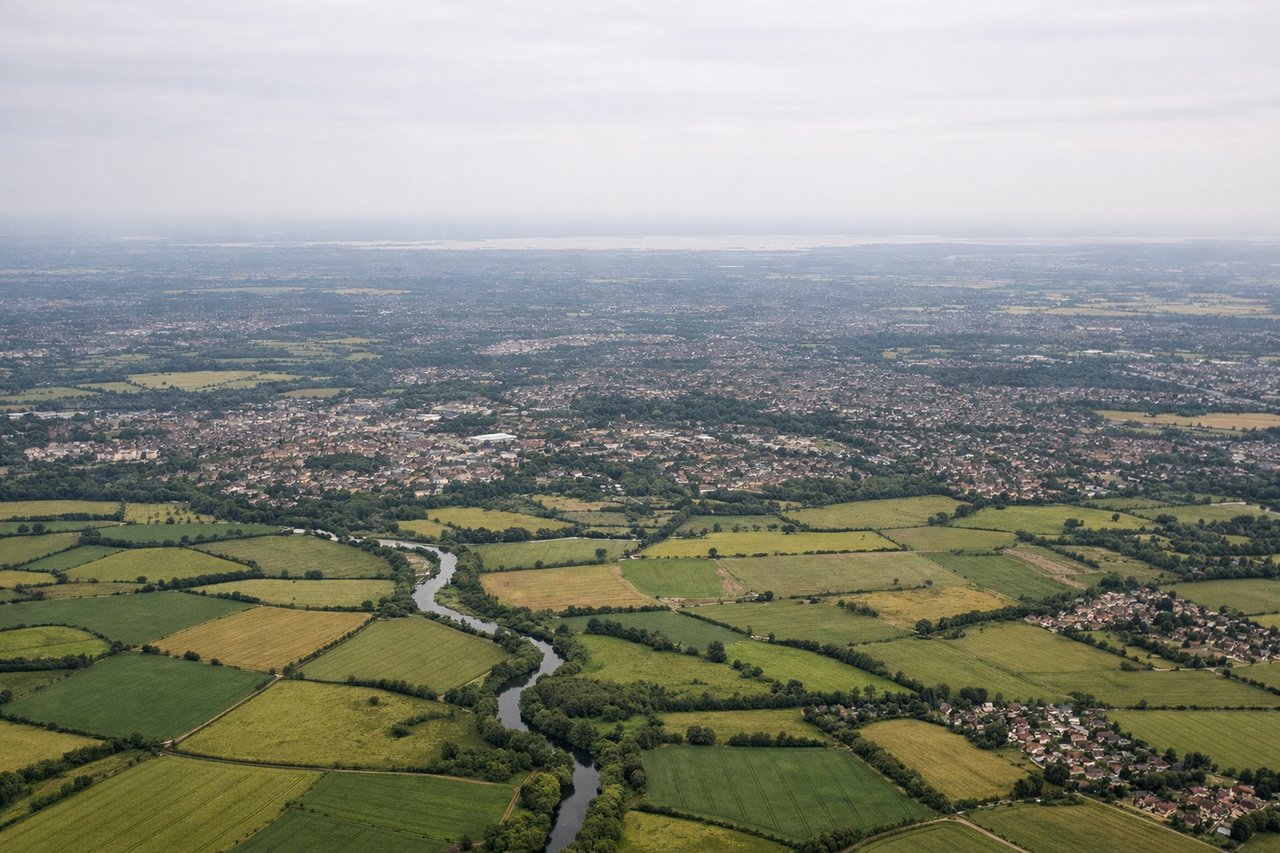
Takeoff from STN
RIGHTRunway 22 departures (typical under prevailing winds) turn right toward the southeast, offering views of the Essex coastline, Thames Estuary, and the Kent coast before climbing over the Channel. Left departures on runway 04 (less common) climb inland over flat Essex farmland with minimal visual interest.
Landing at LCA
RIGHTRunway 22 approaches (standard) descend from the northwest over the Mediterranean, offering views of Cyprus's northern coastline, the Kyrenia Mountains, and the island's interior before landing. Runway 04 approaches (rare) descend over open sea with minimal scenic value until the final approach.
Will your flight be in sunlight?
See exactly which side of the plane gets sun and shade at your departure time.
About This Route
Which side of the plane should I sit on flying from Stansted (STN) to Larnaca (LCA)?
Sit on the Right side of the plane for the best views on flights from London to Larnaca. Right-side seats score higher (3.5 vs 2.5) because they capture both the English Channel and Kent coastline during departure, and the dramatic Mediterranean approach with Cyprus's northern mountains and Larnaca Bay during landing. Left-side views are dominated by flat Essex farmland on departure and open sea on approach, offering minimal scenic variety across the full flight.
What can I see during takeoff from Stansted in London?
During takeoff from Stansted (STN), sit on the Right side for the best views. Runway 22 departures (typical under prevailing winds) turn right toward the southeast, offering views of the Essex coastline, Thames Estuary, and the Kent coast before climbing over the Channel. Left departures on runway 04 (less common) climb inland over flat Essex farmland with minimal visual interest. Notable sights include: Thames Estuary, Kent coastline, English Channel, Essex agricultural plains.
What can I see when landing at Larnaca in Larnaca?
When landing at Larnaca (LCA), sit on the Right side for the best views. Runway 22 approaches (standard) descend from the northwest over the Mediterranean, offering views of Cyprus's northern coastline, the Kyrenia Mountains, and the island's interior before landing. Runway 04 approaches (rare) descend over open sea with minimal scenic value until the final approach. Notable sights include: Mediterranean Sea, Kyrenia Mountains (northern Cyprus), Larnaca Bay, Cyprus coastline.
How long is the flight from London to Larnaca?
The flight from Stansted (STN) to Larnaca (LCA) takes 4h 35m.
What does the London to Larnaca flight path pass over?
English Channel, Bay of Biscay, Iberian Peninsula (Spain/Portugal coast visible to the south), Mediterranean Sea, Greek islands (Crete visible on southern route), Cyprus island interior with Kyrenia Mountains dominating the north coast