While takeoff offers North Sea views, the landing approach over the Côte d'Azur and Massif de l'Estérel is far more visually distinctive. Left seats capture the Mediterranean and dramatic coastal mountains—the highlight of this route.
Flown STN to MRS? Did we get it right?
Flight Path
London to Marseille is 628 miles (1,010 km), a flight of about 2 hours 15 minutes.
The flight crosses the English Channel (visible as a narrow water body with shipping traffic), then passes over Normandy and Brittany with their distinctive bocage landscape (hedgerow-divided fields). Further south, the Loire Valley appears as a broad river valley with meanders. The flight then crosses the Massif Central's northern foothills—rolling terrain with forests and occasional peaks. As the aircraft descends toward Marseille, the Rhône Valley becomes visible as a north-south corridor, with the Rhône River itself appearing as a thin silvery line. The transition from temperate green landscapes to Mediterranean scrubland (garrigue) is noticeable in the final 30 minutes of descent.
Great circle distance and headings ›


Phase by phase
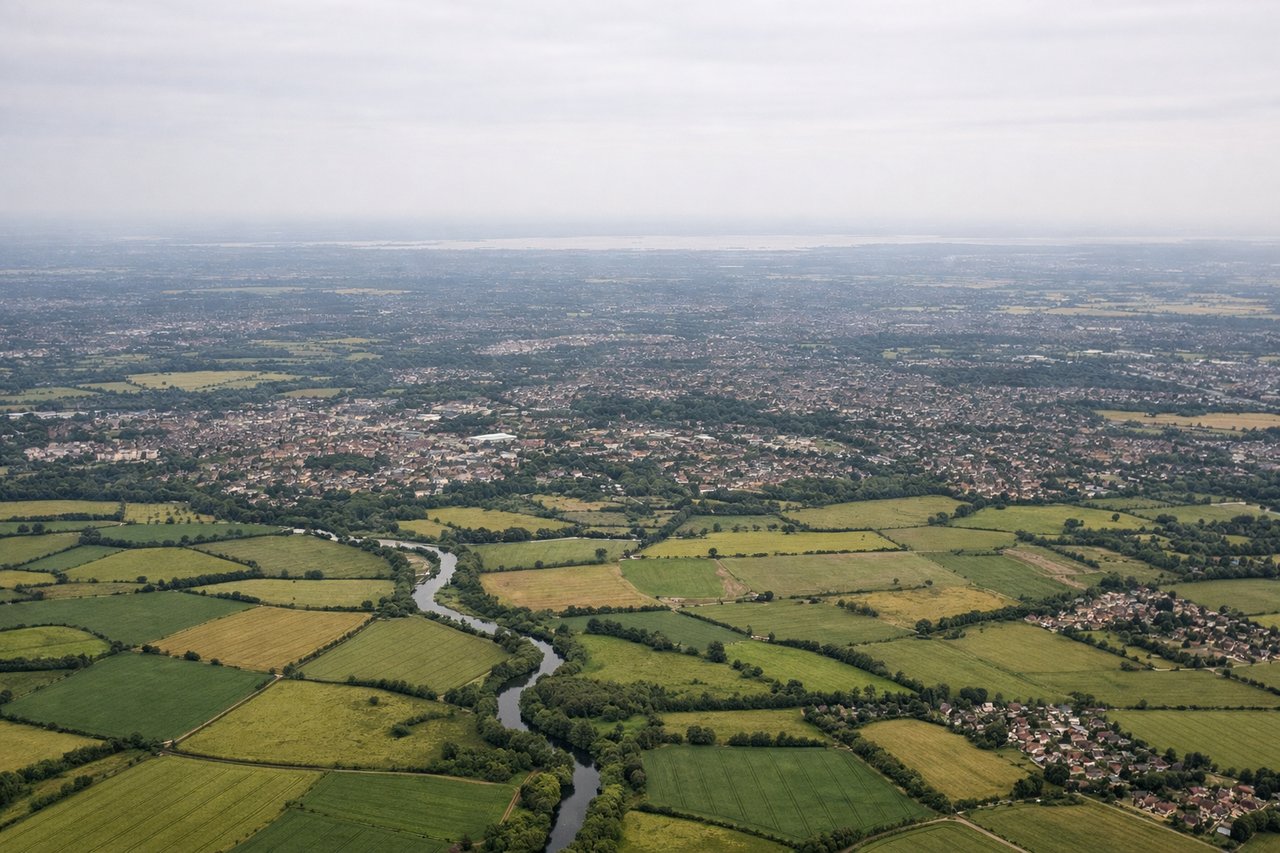
Takeoff from STN
RIGHTStansted typically departs eastbound (Runway 03/21, favoring 03 for prevailing westerlies). Right-side seats face north initially, giving views of the Essex coastline, then the North Sea. Left seats see inland Essex and the Midlands—less dramatic.
Landing at MRS
LEFTMarseille uses Runway 14/32, typically landing from the north (Runway 32). Left-side seats face west during descent, offering direct views of the Mediterranean coast, Côte d'Azur, and the Massif de l'Estérel. Right seats see inland Provence and are less scenic.
Will your flight be in sunlight?
Pick a date and time in the Sun Map to watch the sun move across your whole flight.
About This Route
Which side of the plane should I sit on flying from Stansted (STN) to Provence (MRS)?
Sit on the Left side of the plane for the best views on flights from London to Marseille. While takeoff offers North Sea views, the landing approach over the Côte d'Azur and Massif de l'Estérel is far more visually distinctive. Left seats capture the Mediterranean and dramatic coastal mountains—the highlight of this route.
What can I see during takeoff from Stansted in London?
During takeoff from Stansted (STN), sit on the Right side for the best views. Stansted typically departs eastbound (Runway 03/21, favoring 03 for prevailing westerlies). Right-side seats face north initially, giving views of the Essex coastline, then the North Sea. Left seats see inland Essex and the Midlands—less dramatic. Notable sights include: Essex marshlands and creeks, North Sea coast near Clacton-on-Sea, Thames Estuary mudflats, East Anglian agricultural plains receding inland.
What can I see when landing at Provence in Marseille?
When landing at Provence (MRS), sit on the Left side for the best views. Marseille uses Runway 14/32, typically landing from the north (Runway 32). Left-side seats face west during descent, offering direct views of the Mediterranean coast, Côte d'Azur, and the Massif de l'Estérel. Right seats see inland Provence and are less scenic. Notable sights include: Mediterranean Sea with Îles d'Hyères visible offshore, Massif de l'Estérel (red porphyry mountains), Côte d'Azur coastline with Cannes and Antibes, Rhône Delta wetlands to the west.
How long is the flight from London to Marseille?
The flight from Stansted (STN) to Provence (MRS) takes about 2 hours 15 minutes. The shortest flight path between them is 628 miles (1,010 km); winds and air traffic control usually add a few percent.
What does the London to Marseille flight path pass over?
The flight crosses the English Channel (visible as a narrow water body with shipping traffic), then passes over Normandy and Brittany with their distinctive bocage landscape (hedgerow-divided fields). Further south, the Loire Valley appears as a broad river valley with meanders. The flight then crosses the Massif Central's northern foothills—rolling terrain with forests and occasional peaks. As the aircraft descends toward Marseille, the Rhône Valley becomes visible as a north-south corridor, with the Rhône River itself appearing as a thin silvery line. The transition from temperate green landscapes to Mediterranean scrubland (garrigue) is noticeable in the final 30 minutes of descent.