While takeoff favors the right, the landing view from the left—featuring Mount Vesuvius, the Bay of Naples, and the Sorrentine Peninsula—is far more dramatic and memorable. The approach to Naples is geographically superior to the departure from Stansted.
Flight Path
The flight path crosses the English Channel (visible 30 minutes after takeoff), then passes over northern France and the Alps. The Alps are visible around the 1-hour 15-minute mark as a distant jagged ridge on the horizon if flying at cruise altitude (35,000 feet). The flight then crosses the Mediterranean, with the Italian coast appearing near Tuscany or Lazio around 2 hours 15 minutes into the flight. The Apennine Mountains run parallel to the eastern side of the flight path but remain distant. The final approach descends over the Tyrrhenian Sea with Vesuvius and the Campania coast becoming prominent in the last 20 minutes.
Great circle distance and headings ›.jpeg?width=600)


.jpg?width=600)

.jpg?width=600)


_-_75_(50558355441).jpg?width=600)
Phase by phase
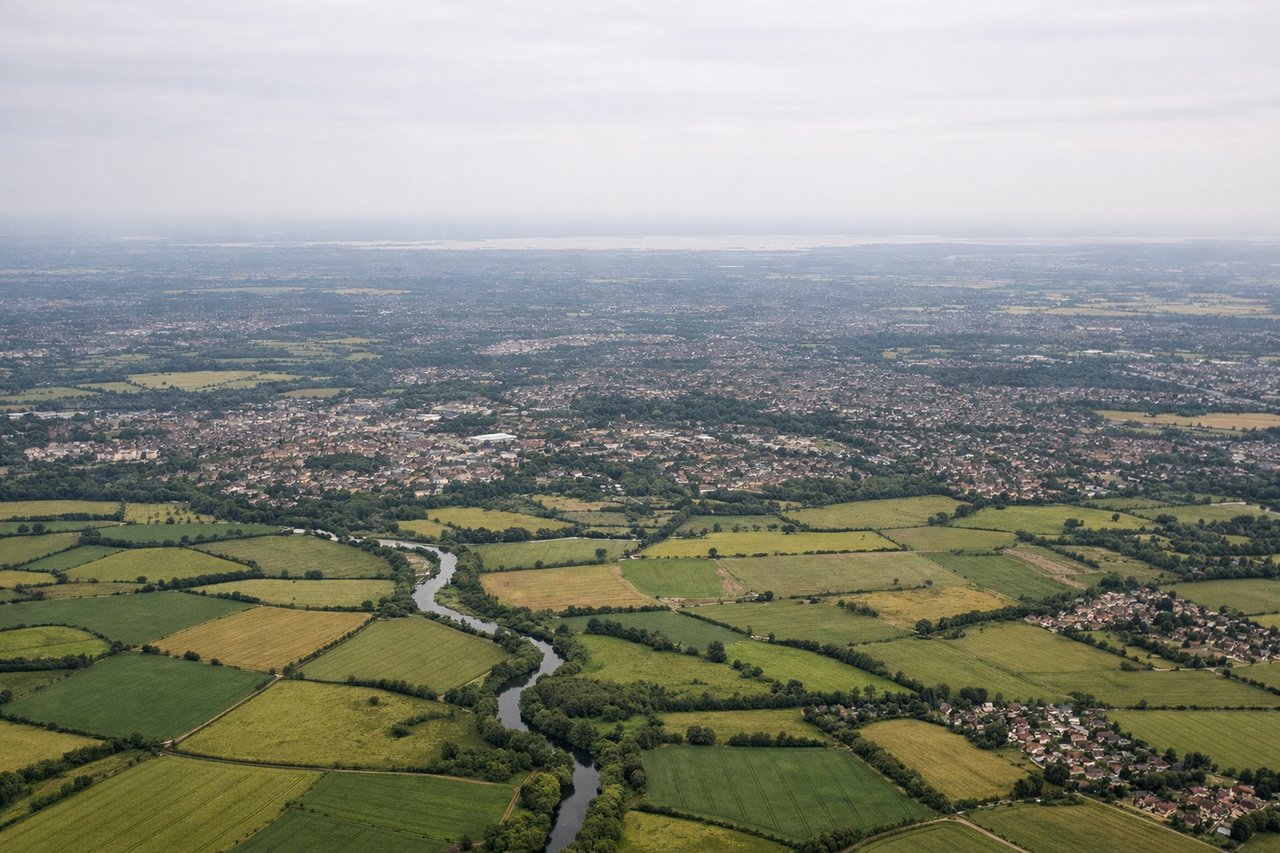
Takeoff from STN
RIGHTStansted typically departs eastbound (Runway 22) or westbound (Runway 04). For southbound routing to Naples, eastbound departure is standard. Right-side seats face north initially, then bank southeast, offering views of the Essex coast, Thames Estuary, and the Kent Downs as you climb through 5,000-10,000 feet.
Landing at NAP
LEFTNaples typically lands on Runway 24 (southwesterly approach) or Runway 06 (northeasterly approach). For flights from the north, Runway 24 is standard. Left-side seats during descent face southeast toward the Bay of Naples, Mount Vesuvius, and the Sorrentine Peninsula—the iconic landmarks of the approach.
Landmarks on this routeAll landmarks →
Will your flight be in sunlight?
See exactly which side of the plane gets sun and shade at your departure time.
About This Route
Which side of the plane should I sit on flying from Stansted (STN) to Capodichino (NAP)?
Sit on the Left side of the plane for the best views on flights from London to Naples. While takeoff favors the right, the landing view from the left—featuring Mount Vesuvius, the Bay of Naples, and the Sorrentine Peninsula—is far more dramatic and memorable. The approach to Naples is geographically superior to the departure from Stansted.
What can I see during takeoff from Stansted in London?
During takeoff from Stansted (STN), sit on the Right side for the best views. Stansted typically departs eastbound (Runway 22) or westbound (Runway 04). For southbound routing to Naples, eastbound departure is standard. Right-side seats face north initially, then bank southeast, offering views of the Essex coast, Thames Estuary, and the Kent Downs as you climb through 5,000-10,000 feet. Notable sights include: Thames Estuary, Kent Downs escarpment, North Sea coast near Great Yarmouth, English Channel.
What can I see when landing at Capodichino in Naples?
When landing at Capodichino (NAP), sit on the Left side for the best views. Naples typically lands on Runway 24 (southwesterly approach) or Runway 06 (northeasterly approach). For flights from the north, Runway 24 is standard. Left-side seats during descent face southeast toward the Bay of Naples, Mount Vesuvius, and the Sorrentine Peninsula—the iconic landmarks of the approach. Notable sights include: Mount Vesuvius, Bay of Naples, Sorrentine Peninsula, Capri Island.
How long is the flight from London to Naples?
The flight from Stansted (STN) to Capodichino (NAP) takes Approximately 2 hours 45 minutes.
What does the London to Naples flight path pass over?
The flight path crosses the English Channel (visible 30 minutes after takeoff), then passes over northern France and the Alps. The Alps are visible around the 1-hour 15-minute mark as a distant jagged ridge on the horizon if flying at cruise altitude (35,000 feet). The flight then crosses the Mediterranean, with the Italian coast appearing near Tuscany or Lazio around 2 hours 15 minutes into the flight. The Apennine Mountains run parallel to the eastern side of the flight path but remain distant. The final approach descends over the Tyrrhenian Sea with Vesuvius and the Campania coast becoming prominent in the last 20 minutes.