The left side wins with a coastal glimpse at takeoff and a genuinely scenic mountainous, cliff-lined approach into Paphos, while the right side is dominated by flat inland terrain and open sea for most of the flight.
Flight Path
The flight path crosses the English Channel or southern France, over the Alps or northern Italy, across the Adriatic and Ionian Seas, over Greece, and finally the open Mediterranean before reaching Cyprus.
Great circle distance and headings ›.jpeg?width=600)


Phase by phase
Takeoff from STN
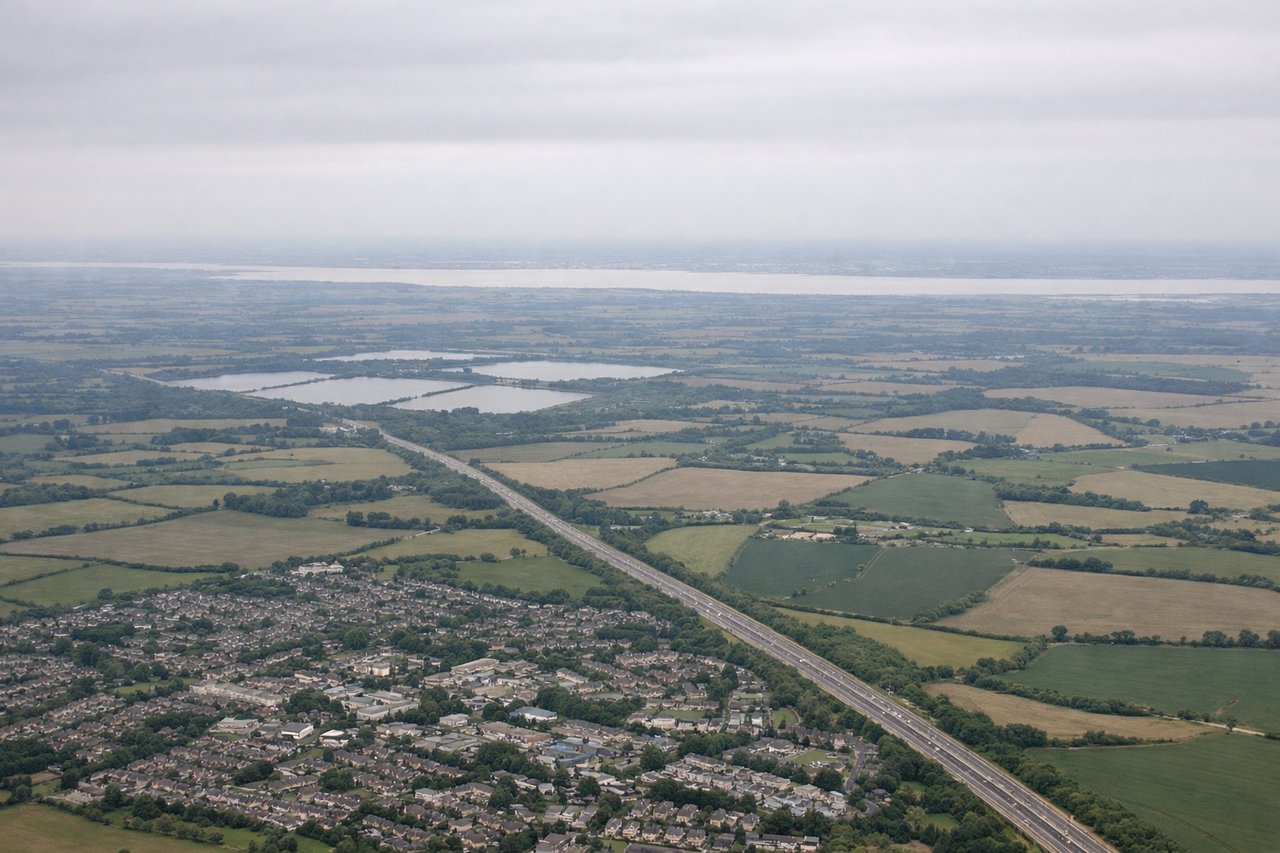
LEFTDeparting Stansted heading southeast, the left side offers glimpses of the Thames Estuary and the Kent coastline before the route crosses into continental Europe. It's a brief but genuine coastal moment compared to the flat, featureless view on the right over Essex farmland.
Landing at PFO
LEFTOn approach to Paphos from the north, the left side reveals the dramatic Troodos Mountains foothills and Cyprus's rugged southwestern coastline, including sea cliffs near Paphos itself. The right side mostly shows open Mediterranean water during the final descent.
Landmarks on this routeAll landmarks →
Will your flight be in sunlight?
See exactly which side of the plane gets sun and shade at your departure time.
About This Route
Which side of the plane should I sit on flying from Stansted (STN) to Paphos International (PFO)?
Sit on the Left side of the plane for the best views on flights from London to Paphos. The left side wins with a coastal glimpse at takeoff and a genuinely scenic mountainous, cliff-lined approach into Paphos, while the right side is dominated by flat inland terrain and open sea for most of the flight.
What can I see during takeoff from Stansted in London?
During takeoff from Stansted (STN), sit on the Left side for the best views. Departing Stansted heading southeast, the left side offers glimpses of the Thames Estuary and the Kent coastline before the route crosses into continental Europe. It's a brief but genuine coastal moment compared to the flat, featureless view on the right over Essex farmland. Notable sights include: Thames Estuary, Kent coastline, Essex countryside patchwork.
What can I see when landing at Paphos International in Paphos?
When landing at Paphos International (PFO), sit on the Left side for the best views. On approach to Paphos from the north, the left side reveals the dramatic Troodos Mountains foothills and Cyprus's rugged southwestern coastline, including sea cliffs near Paphos itself. The right side mostly shows open Mediterranean water during the final descent. Notable sights include: Troodos Mountains foothills, Paphos coastline and sea cliffs, Akamas Peninsula, Mediterranean Sea.
How long is the flight from London to Paphos?
The flight from Stansted (STN) to Paphos International (PFO) takes 4h 35m.
What does the London to Paphos flight path pass over?
The flight path crosses the English Channel or southern France, over the Alps or northern Italy, across the Adriatic and Ionian Seas, over Greece, and finally the open Mediterranean before reaching Cyprus.