Right side scores marginally higher due to superior takeoff scenery (Thames Estuary and North Sea coast provide immediate visual interest and water contrast), while landing views are roughly equal between both sides. The takeoff advantage outweighs the landing parity, making right the better overall choice for this short northern European flight.
Flown STN to TKU? Did we get it right?
Flight Path
London to Turku is 1,028 miles (1,654 km), a flight of about 2 hours 15 minutes.
North Sea crossing (open water, no landmarks), Danish airspace (Jutland peninsula visible as distant landmass), Swedish east coast and Stockholm archipelago region (if routed via Sweden), transition to Finnish lakes and forests in final descent phase
Great circle distance and headings ›

Phase by phase
Takeoff from STN
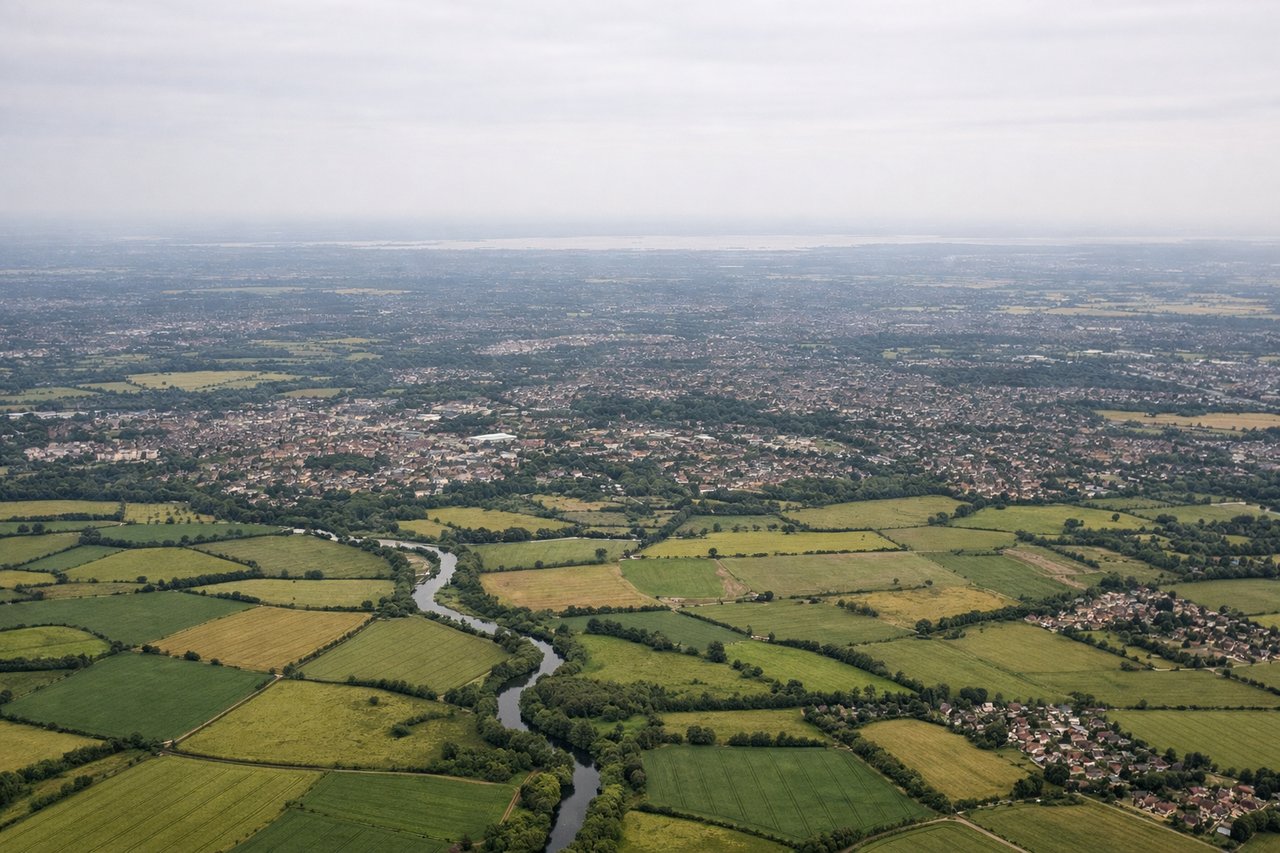
RIGHTRight side captures the Essex coastline and Thames Estuary during northeastward climb, offering immediate water and urban contrast. Left side shows inland Essex flatlands with minimal visual interest during initial climb.
Landing at TKU
LEFTLeft side (west/southwest approach) provides views of the Finnish archipelago, Turku's harbor, and the Aura River during descent and final approach. Right side (east approach) shows only inland forests and lakes with no distinctive urban or coastal features.
Will your flight be in sunlight?
Pick a date and time in the Sun Map to watch the sun move across your whole flight.
About This Route
Which side of the plane should I sit on flying from Stansted (STN) to Turku (TKU)?
Sit on the Right side of the plane for the best views on flights from London to Turku. Right side scores marginally higher due to superior takeoff scenery (Thames Estuary and North Sea coast provide immediate visual interest and water contrast), while landing views are roughly equal between both sides. The takeoff advantage outweighs the landing parity, making right the better overall choice for this short northern European flight.
What can I see during takeoff from Stansted in London?
During takeoff from Stansted (STN), sit on the Right side for the best views. Right side captures the Essex coastline and Thames Estuary during northeastward climb, offering immediate water and urban contrast. Left side shows inland Essex flatlands with minimal visual interest during initial climb. Notable sights include: Thames Estuary, Essex coast, Greater London sprawl (distant), North Sea horizon.
What can I see when landing at Turku in Turku?
When landing at Turku (TKU), sit on the Left side for the best views. Left side (west/southwest approach) provides views of the Finnish archipelago, Turku's harbor, and the Aura River during descent and final approach. Right side (east approach) shows only inland forests and lakes with no distinctive urban or coastal features. Notable sights include: Turku harbor and city center, Aura River estuary, Finnish archipelago islands, Baltic Sea coastline.
How long is the flight from London to Turku?
The flight from Stansted (STN) to Turku (TKU) takes about 2 hours 15 minutes. The shortest flight path between them is 1,028 miles (1,654 km); winds and air traffic control usually add a few percent.
What does the London to Turku flight path pass over?
North Sea crossing (open water, no landmarks), Danish airspace (Jutland peninsula visible as distant landmass), Swedish east coast and Stockholm archipelago region (if routed via Sweden), transition to Finnish lakes and forests in final descent phase