Right-side seats win overall because the departure views from Stansted are more visually distinctive than the landing approach. The Thames Estuary and Essex coastline offer greater scenic variety than the relatively flat approach to Warsaw.
Flown STN to WAW? Did we get it right?
Flight Path
London to Warsaw is 879 miles (1,414 km), a flight of about 2 hours 15 minutes.
The flight path crosses the North Sea, then passes over the Netherlands (Frisian Islands and Dutch coast visible from altitude), followed by northern Germany and the North European Plain. The Frisian Islands and Dutch coastline are the most notable midpoint features, though they're typically visible only from higher cruise altitudes (25,000+ feet) and appear as small islands and barrier systems along the horizon.
Great circle distance and headings ›

Phase by phase
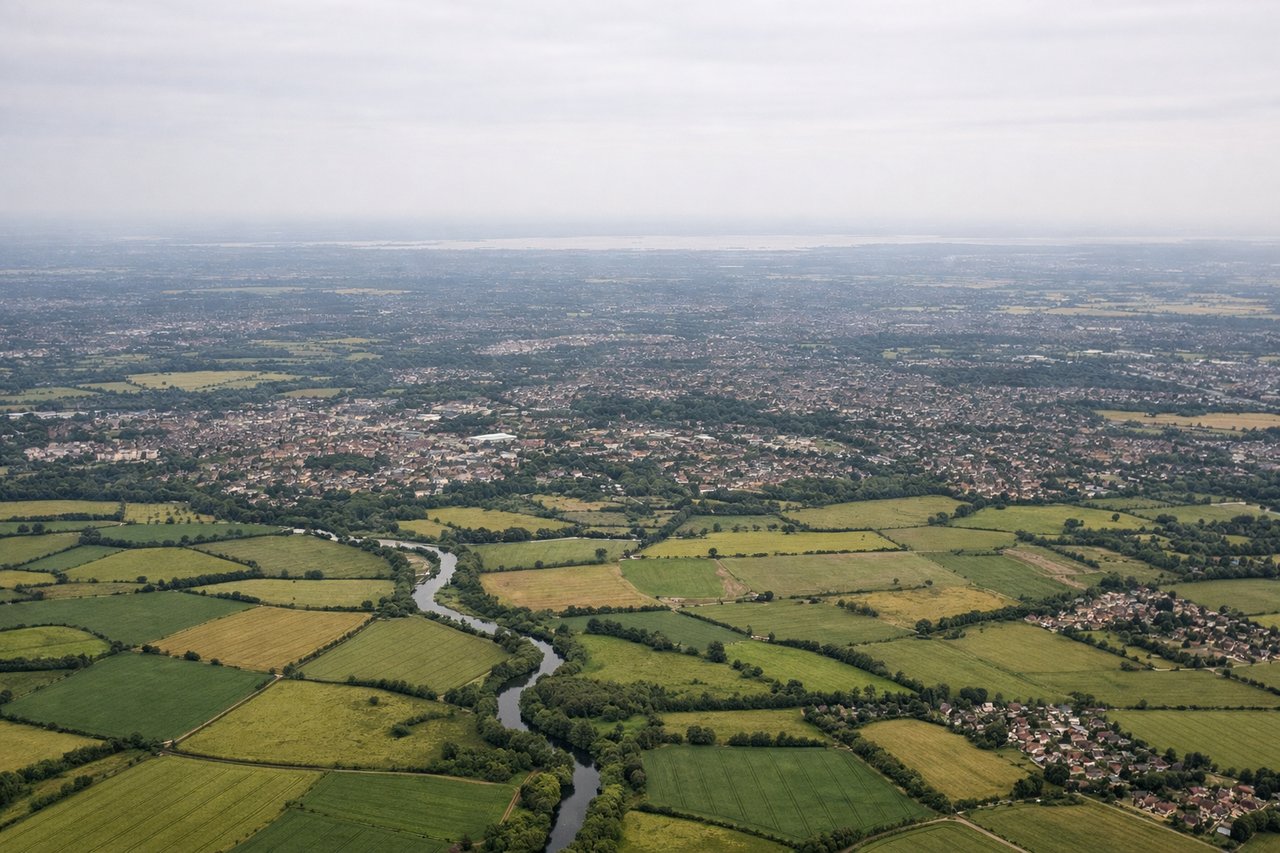
Takeoff from STN
RIGHTRight-side seats offer views of the Essex coastline and Thames Estuary as the aircraft climbs northeast out of Stansted. You'll see the North Sea coast and inland waterways that define the departure corridor.
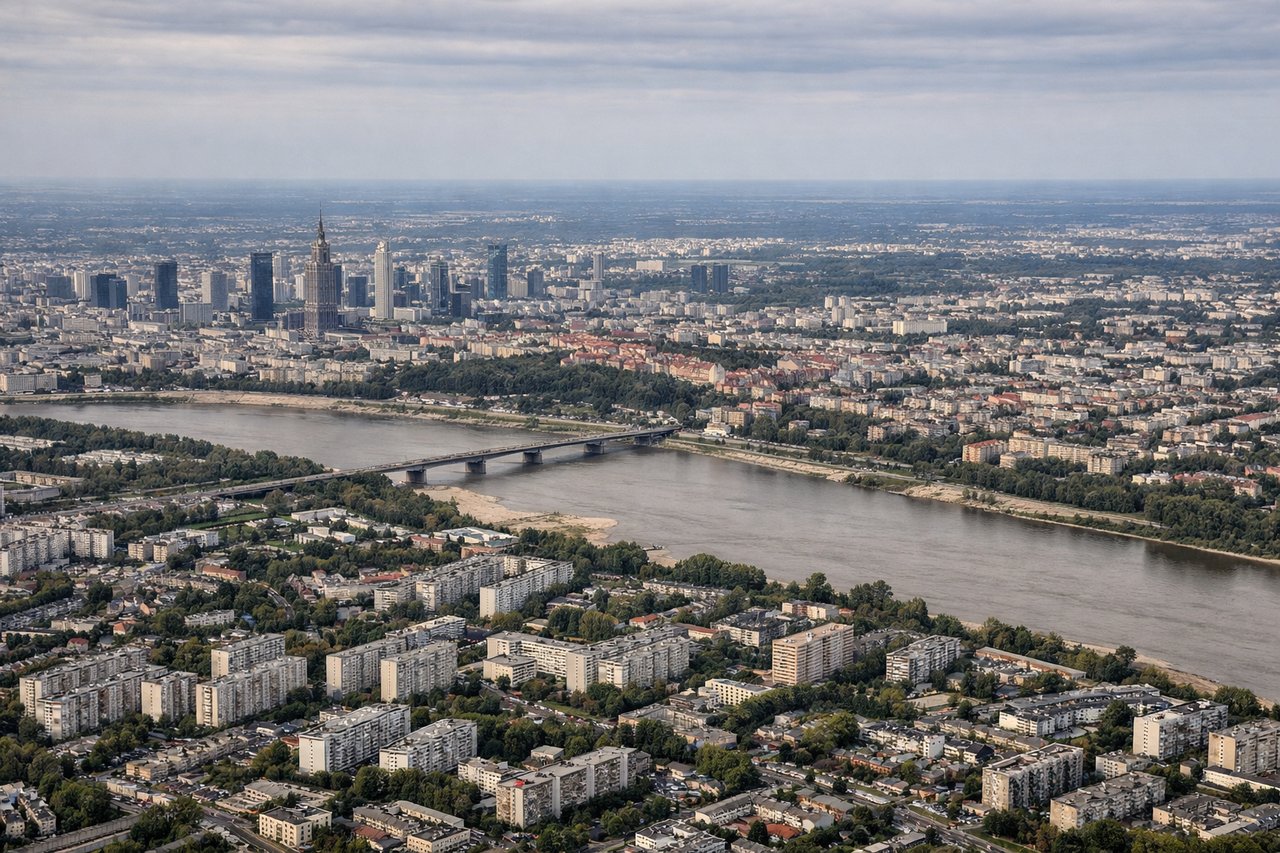
Landing at WAW
LEFTLeft-side seats provide excellent views during descent into Warsaw. You'll see the Vistula River valley, the city's urban sprawl, and the surrounding Polish plains as you approach from the west.
Will your flight be in sunlight?
Pick a date and time in the Sun Map to watch the sun move across your whole flight.
About This Route
Which side of the plane should I sit on flying from Stansted (STN) to Okecie (WAW)?
Sit on the Right side of the plane for the best views on flights from London to Warsaw. Right-side seats win overall because the departure views from Stansted are more visually distinctive than the landing approach. The Thames Estuary and Essex coastline offer greater scenic variety than the relatively flat approach to Warsaw.
What can I see during takeoff from Stansted in London?
During takeoff from Stansted (STN), sit on the Right side for the best views. Right-side seats offer views of the Essex coastline and Thames Estuary as the aircraft climbs northeast out of Stansted. You'll see the North Sea coast and inland waterways that define the departure corridor. Notable sights include: Thames Estuary, Essex marshlands, North Sea coast, Colchester area inland.
What can I see when landing at Okecie in Warsaw?
When landing at Okecie (WAW), sit on the Left side for the best views. Left-side seats provide excellent views during descent into Warsaw. You'll see the Vistula River valley, the city's urban sprawl, and the surrounding Polish plains as you approach from the west. Notable sights include: Vistula River, Warsaw city center and suburbs, Polish plains, Masovian Lowlands.
How long is the flight from London to Warsaw?
The flight from Stansted (STN) to Okecie (WAW) takes about 2 hours 15 minutes. The shortest flight path between them is 879 miles (1,414 km); winds and air traffic control usually add a few percent.
What does the London to Warsaw flight path pass over?
The flight path crosses the North Sea, then passes over the Netherlands (Frisian Islands and Dutch coast visible from altitude), followed by northern Germany and the North European Plain. The Frisian Islands and Dutch coastline are the most notable midpoint features, though they're typically visible only from higher cruise altitudes (25,000+ feet) and appear as small islands and barrier systems along the horizon.