Right side scores higher (3.5 vs 2.5) because it captures both the dramatic Taipei urban departure with coastal views and the scenic Seto Inland Sea approach into Kitakyushu. The cruise phase over the Taiwan Strait and East China Sea offers limited visual interest on both sides, but the right side's superior takeoff and landing sequences—featuring recognizable urban landmarks, coastlines, and harbor geography—provide more memorable scenery across the full flight.
Flown TPE to KKJ? Did we get it right?
Flight Path
Taipei to Kitakyushu is 845 miles (1,359 km), a flight of about 2 hours 15 minutes.
Taiwan Strait (open water, 50+ nm wide), East China Sea with occasional fishing vessel activity, transition from Taiwan's northern waters to Japanese territorial waters near the Ryukyu Islands' northern approaches, Seto Inland Sea entrance with scattered islands
Great circle distance and headings ›Phase by phase
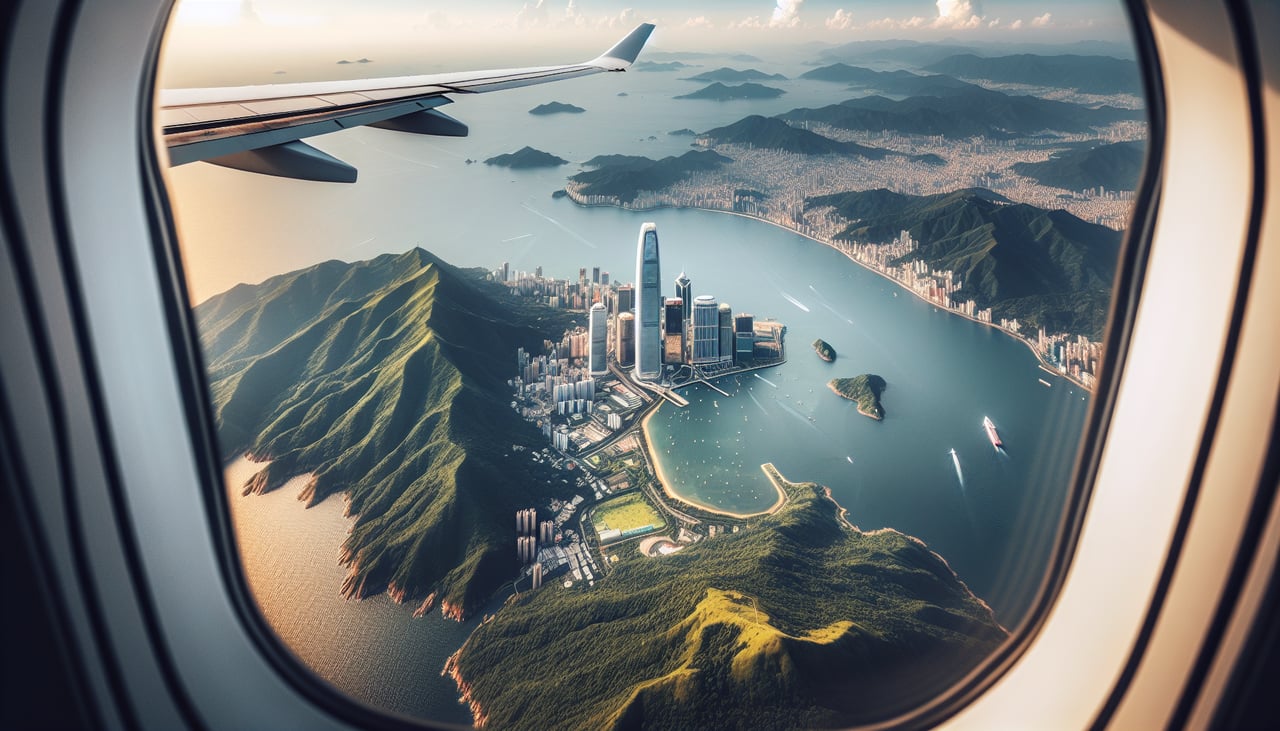
Takeoff from TPE
RIGHTRight side captures Taipei's urban sprawl and the northern Taiwan coastline during initial climb. Left side faces inland toward the Central Mountain Range but offers less immediate visual interest during the critical takeoff phase.
Landing at KKJ
RIGHTRight side provides superior approach scenery into Kitakyushu. The descent path over the Seto Inland Sea and approach to runway 36 (northbound) or runway 18 (southbound) reveals the Kyushu coastline, industrial harbor areas, and the distinctive geography of northern Kyushu. Left side faces away from the airport during typical approach vectors.
Will your flight be in sunlight?
Pick a date and time in the Sun Map to watch the sun move across your whole flight.
About This Route
Which side of the plane should I sit on flying from Chiang Kai Shek International (TPE) to Kitakyushu Airport (KKJ)?
Sit on the Right side of the plane for the best views on flights from Taipei to Kitakyushu. Right side scores higher (3.5 vs 2.5) because it captures both the dramatic Taipei urban departure with coastal views and the scenic Seto Inland Sea approach into Kitakyushu. The cruise phase over the Taiwan Strait and East China Sea offers limited visual interest on both sides, but the right side's superior takeoff and landing sequences—featuring recognizable urban landmarks, coastlines, and harbor geography—provide more memorable scenery across the full flight.
What can I see during takeoff from Chiang Kai Shek International in Taipei?
During takeoff from Chiang Kai Shek International (TPE), sit on the Right side for the best views. Right side captures Taipei's urban sprawl and the northern Taiwan coastline during initial climb. Left side faces inland toward the Central Mountain Range but offers less immediate visual interest during the critical takeoff phase. Notable sights include: Taipei 101 and downtown Taipei skyline, Tamsui River estuary, northern Taiwan coast with Keelung harbor area.
What can I see when landing at Kitakyushu Airport in Kitakyushu?
When landing at Kitakyushu Airport (KKJ), sit on the Right side for the best views. Right side provides superior approach scenery into Kitakyushu. The descent path over the Seto Inland Sea and approach to runway 36 (northbound) or runway 18 (southbound) reveals the Kyushu coastline, industrial harbor areas, and the distinctive geography of northern Kyushu. Left side faces away from the airport during typical approach vectors. Notable sights include: Seto Inland Sea with its island-dotted waters, Kitakyushu's industrial waterfront and harbor facilities, Kyushu's northern coastline, Wakamatsu Ward's urban development.
How long is the flight from Taipei to Kitakyushu?
The flight from Chiang Kai Shek International (TPE) to Kitakyushu Airport (KKJ) takes about 2 hours 15 minutes. The shortest flight path between them is 845 miles (1,359 km); winds and air traffic control usually add a few percent.
What does the Taipei to Kitakyushu flight path pass over?
Taiwan Strait (open water, 50+ nm wide), East China Sea with occasional fishing vessel activity, transition from Taiwan's northern waters to Japanese territorial waters near the Ryukyu Islands' northern approaches, Seto Inland Sea entrance with scattered islands