Right-side seats capture the superior departure views from Taipei (city, mountains, and coast), and while left wins for Beijing landing, the takeoff experience is more visually rewarding on this route.
Flown TPE to PEK? Did we get it right?
Flight Path
Taipei to Beijing is 1,071 miles (1,723 km), a flight of about 3 hours.
The flight path crosses the Taiwan Strait (approximately 100 miles of open water), then enters mainland China over Fujian province. The Yangtze River valley becomes visible in the latter half of the flight as you approach Beijing. The North China Plain gradually flattens the terrain as you move north from central China toward Beijing.
Great circle distance and headings ›Phase by phase
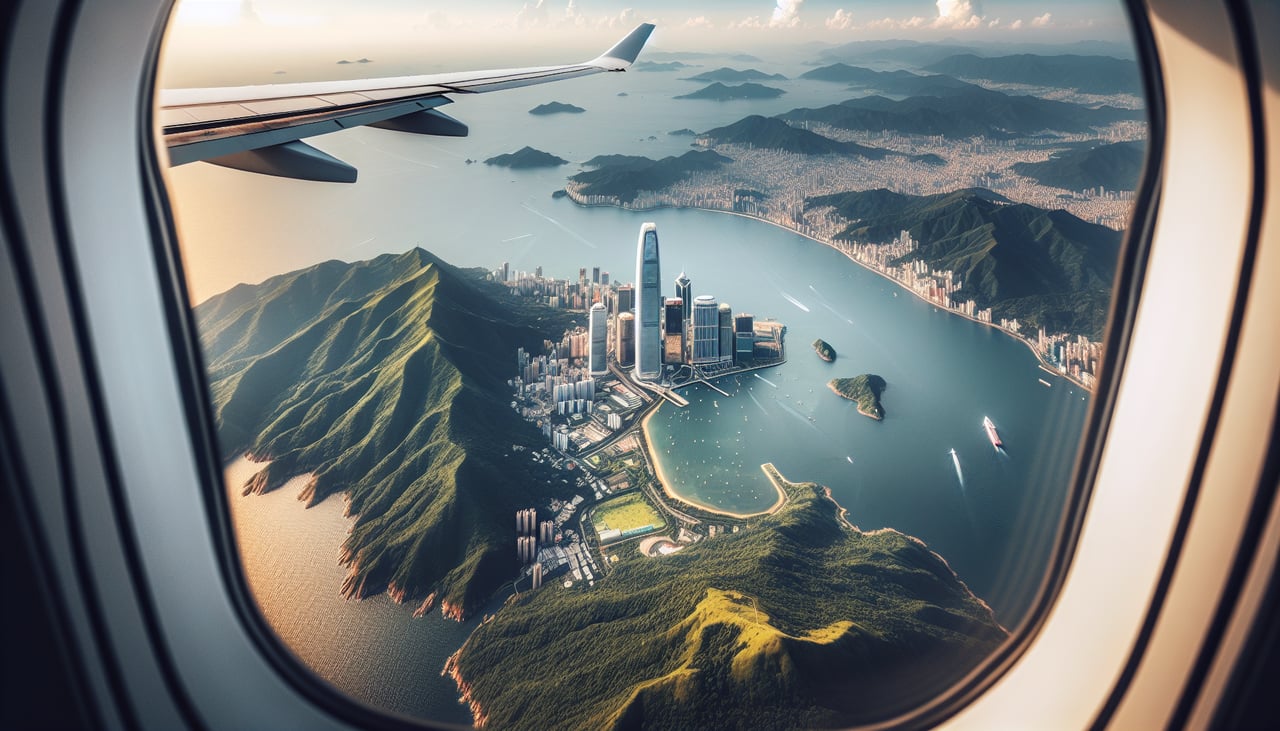
Takeoff from TPE
RIGHTTPE typically departs to the north or northeast. Right-side seats offer views of the Taipei Basin and the northern coastal plain as you climb out, with the Central Mountain Range visible to the east. Left seats face inland toward less distinctive terrain.
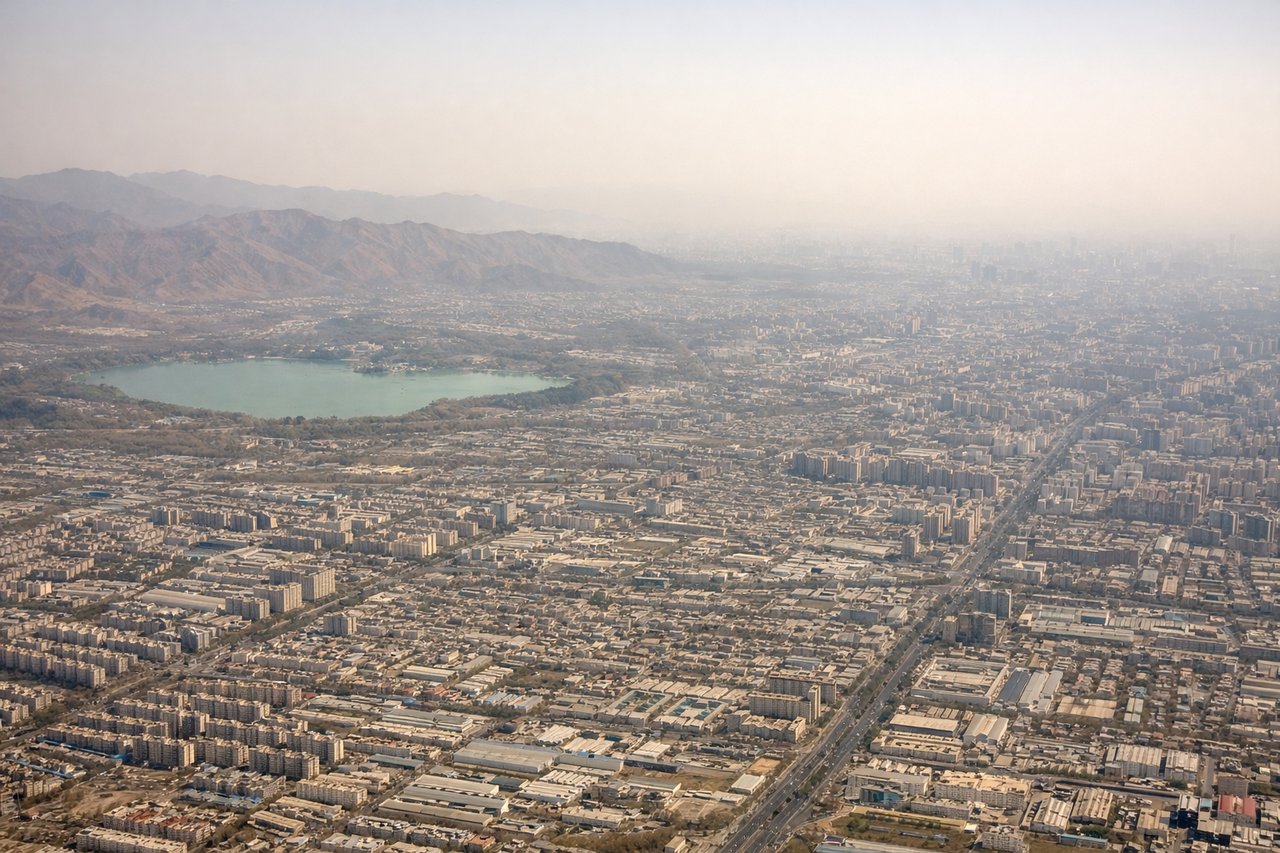
Landing at PEK
LEFTPEK typically lands from the east or southeast on runways 01L/01R or 16L/16R. Left-side seats during approach offer views of the North China Plain, the city of Beijing sprawling below, and the Western Hills (Yanshan Mountains) to the west. Right seats face toward Hebei province with fewer distinctive urban features.
Will your flight be in sunlight?
Pick a date and time in the Sun Map to watch the sun move across your whole flight.
About This Route
Which side of the plane should I sit on flying from Chiang Kai Shek International (TPE) to Capital (PEK)?
Sit on the Right side of the plane for the best views on flights from Taipei to Beijing. Right-side seats capture the superior departure views from Taipei (city, mountains, and coast), and while left wins for Beijing landing, the takeoff experience is more visually rewarding on this route.
What can I see during takeoff from Chiang Kai Shek International in Taipei?
During takeoff from Chiang Kai Shek International (TPE), sit on the Right side for the best views. TPE typically departs to the north or northeast. Right-side seats offer views of the Taipei Basin and the northern coastal plain as you climb out, with the Central Mountain Range visible to the east. Left seats face inland toward less distinctive terrain. Notable sights include: Taipei 101 and downtown Taipei (directly below during initial climb), Tamsui River valley (northwest), Keelung harbor and northern coast (north), Central Mountain Range foothills (east).
What can I see when landing at Capital in Beijing?
When landing at Capital (PEK), sit on the Left side for the best views. PEK typically lands from the east or southeast on runways 01L/01R or 16L/16R. Left-side seats during approach offer views of the North China Plain, the city of Beijing sprawling below, and the Western Hills (Yanshan Mountains) to the west. Right seats face toward Hebei province with fewer distinctive urban features. Notable sights include: Beijing city center and the grid pattern of urban districts (directly below during final approach), the Western Hills/Yanshan Mountains (west, appearing as a distant ridge), the North China Plain extending to the horizon (south and east), Ming Tombs area (northwest, visible as a small developed area in the foothills).
How long is the flight from Taipei to Beijing?
The flight from Chiang Kai Shek International (TPE) to Capital (PEK) takes about 3 hours. The shortest flight path between them is 1,071 miles (1,723 km); winds and air traffic control usually add a few percent.
What does the Taipei to Beijing flight path pass over?
The flight path crosses the Taiwan Strait (approximately 100 miles of open water), then enters mainland China over Fujian province. The Yangtze River valley becomes visible in the latter half of the flight as you approach Beijing. The North China Plain gradually flattens the terrain as you move north from central China toward Beijing.