While the takeoff from Halifax favors the left, the landing approach into Lisbon from the right provides more dramatic and extended views of the Tagus estuary and the city itself. The right side captures the most visually distinctive portion of the flight.
Flown YHZ to LIS? Did we get it right?
Flight Path
Halifax to Lisbon is 2,778 miles (4,471 km), a flight of about 7 hours 15 minutes.
The flight crosses the North Atlantic at high altitude. Notable features along the route include: the Grand Banks region southeast of Newfoundland (visible during early climb if flying that corridor), the open Atlantic Ocean for the majority of the flight, and the approach to the European coast near Ireland and the UK. The Azores archipelago may be visible far to the south depending on exact routing. As the aircraft descends toward Portugal, the Iberian Peninsula coastline becomes visible, with the Portuguese coast appearing first around Cape Roca and extending south toward Lisbon.
Great circle distance and headings ›Phase by phase
Takeoff from YHZ
LEFTLeft seats offer views of the Atlantic coastline and Halifax Harbour as the aircraft climbs eastward. You'll see the city's waterfront, the Dartmouth shoreline across the harbour, and the rocky Nova Scotia coast receding below.
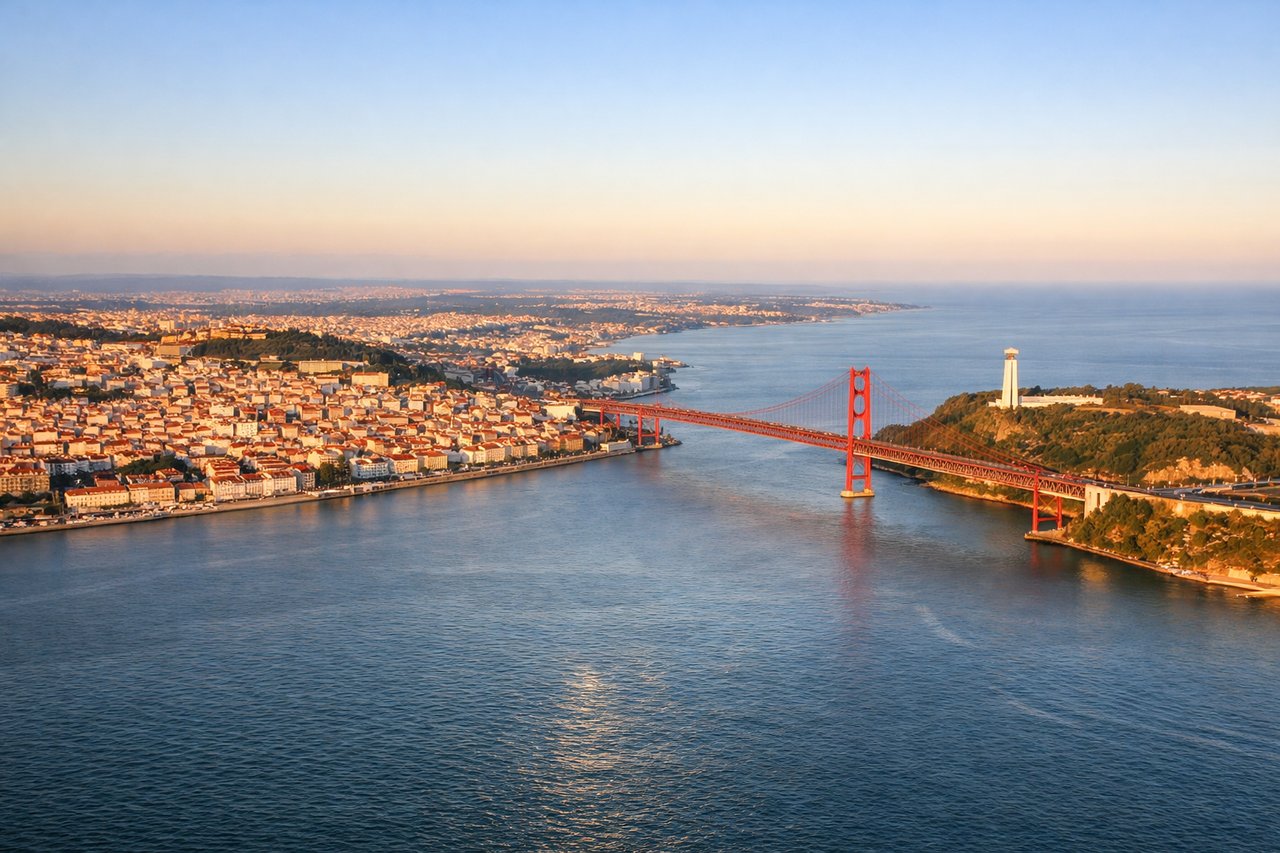
Landing at LIS
RIGHTRight seats provide excellent views during the descent into Lisbon. You'll see the Tagus River estuary, the city sprawling across hills on both banks, and the Atlantic coastline with Cascais and Estoril to the west.
Will your flight be in sunlight?
Pick a date and time in the Sun Map to watch the sun move across your whole flight.
About This Route
Which side of the plane should I sit on flying from Halifax International (YHZ) to Lisboa (LIS)?
Sit on the Right side of the plane for the best views on flights from Halifax to Lisbon. While the takeoff from Halifax favors the left, the landing approach into Lisbon from the right provides more dramatic and extended views of the Tagus estuary and the city itself. The right side captures the most visually distinctive portion of the flight.
What can I see during takeoff from Halifax International in Halifax?
During takeoff from Halifax International (YHZ), sit on the Left side for the best views. Left seats offer views of the Atlantic coastline and Halifax Harbour as the aircraft climbs eastward. You'll see the city's waterfront, the Dartmouth shoreline across the harbour, and the rocky Nova Scotia coast receding below. Notable sights include: Halifax Harbour, Dartmouth waterfront, McNabs Island, Atlantic coastline.
What can I see when landing at Lisboa in Lisbon?
When landing at Lisboa (LIS), sit on the Right side for the best views. Right seats provide excellent views during the descent into Lisbon. You'll see the Tagus River estuary, the city sprawling across hills on both banks, and the Atlantic coastline with Cascais and Estoril to the west. Notable sights include: Tagus River estuary, Lisbon city on hillsides, Cascais coastline, Atlantic Ocean.
How long is the flight from Halifax to Lisbon?
The flight from Halifax International (YHZ) to Lisboa (LIS) takes about 7 hours 15 minutes. The shortest flight path between them is 2,778 miles (4,471 km); winds and air traffic control usually add a few percent.
What does the Halifax to Lisbon flight path pass over?
The flight crosses the North Atlantic at high altitude. Notable features along the route include: the Grand Banks region southeast of Newfoundland (visible during early climb if flying that corridor), the open Atlantic Ocean for the majority of the flight, and the approach to the European coast near Ireland and the UK. The Azores archipelago may be visible far to the south depending on exact routing. As the aircraft descends toward Portugal, the Iberian Peninsula coastline becomes visible, with the Portuguese coast appearing first around Cape Roca and extending south toward Lisbon.