Left side wins at both ends of the flight. During the long overwater cruise across Russia and the Sea of Japan, neither side has a significant advantage, but the left side catches the best views at departure over the Swiss Alps and Lake Zurich, and on arrival delivers the full panorama of central Tokyo on approach.
Flight Path
The route tracks northeast over Austria and southern Germany, then across southern Poland and Belarus, across Russia over Siberia including the Ural Mountains and the vast Siberian taiga, then descends toward the Russian Far East, crosses the Sea of Japan, and enters Japan over the Noto Peninsula or Hokuriku coast before turning south toward Tokyo. The Siberian river systems including the Ob and Yenisei are visible as massive braided waterways cutting through flat forested terrain.
Great circle distance and headings ›

Phase by phase
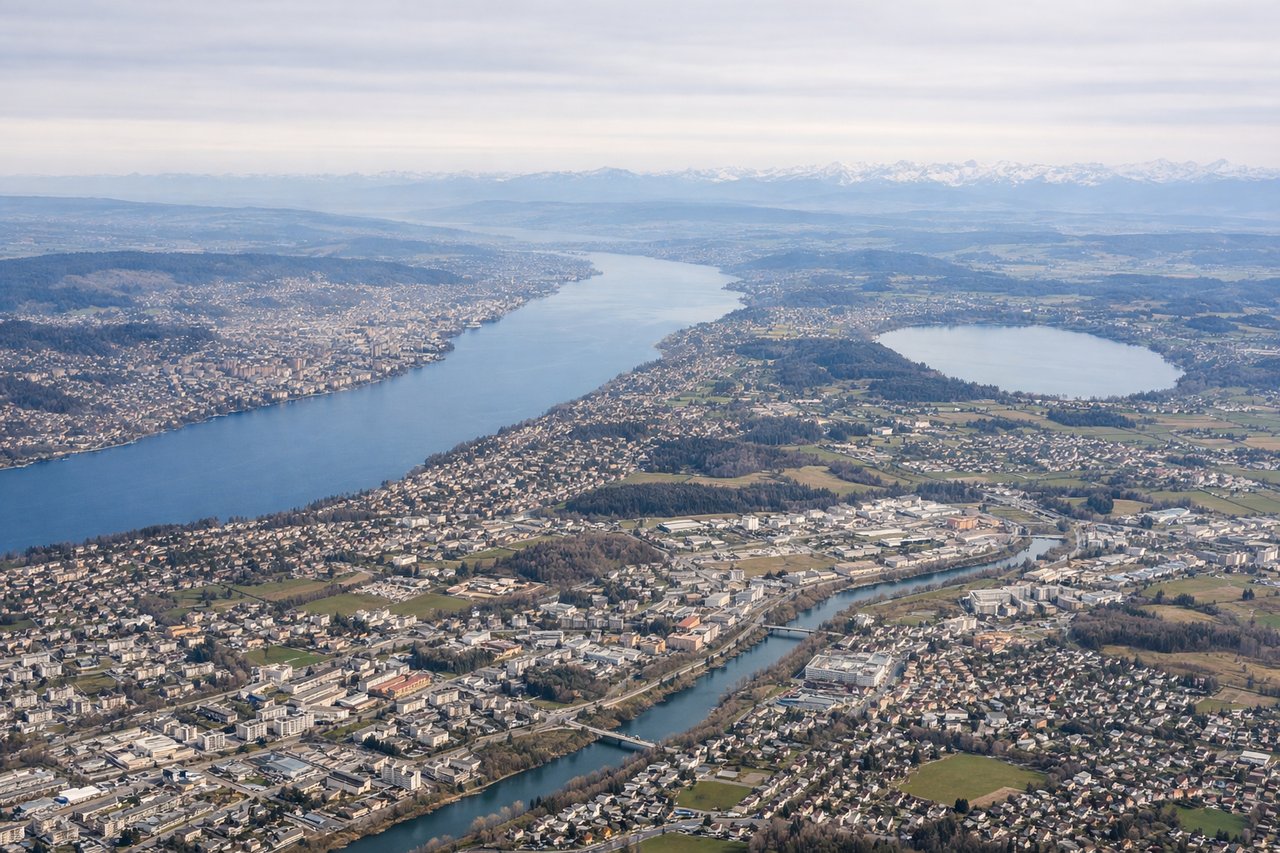
Takeoff from ZRH
LEFTZurich typically departs on runway 16 (southbound) or 28 (westbound). On a southbound departure toward the Alps, the left side gives you a direct view of Lake Zurich stretching southeast and then the Swiss Alps rising beyond. On a westbound departure, the left side still captures the city center and Lake Zurich.
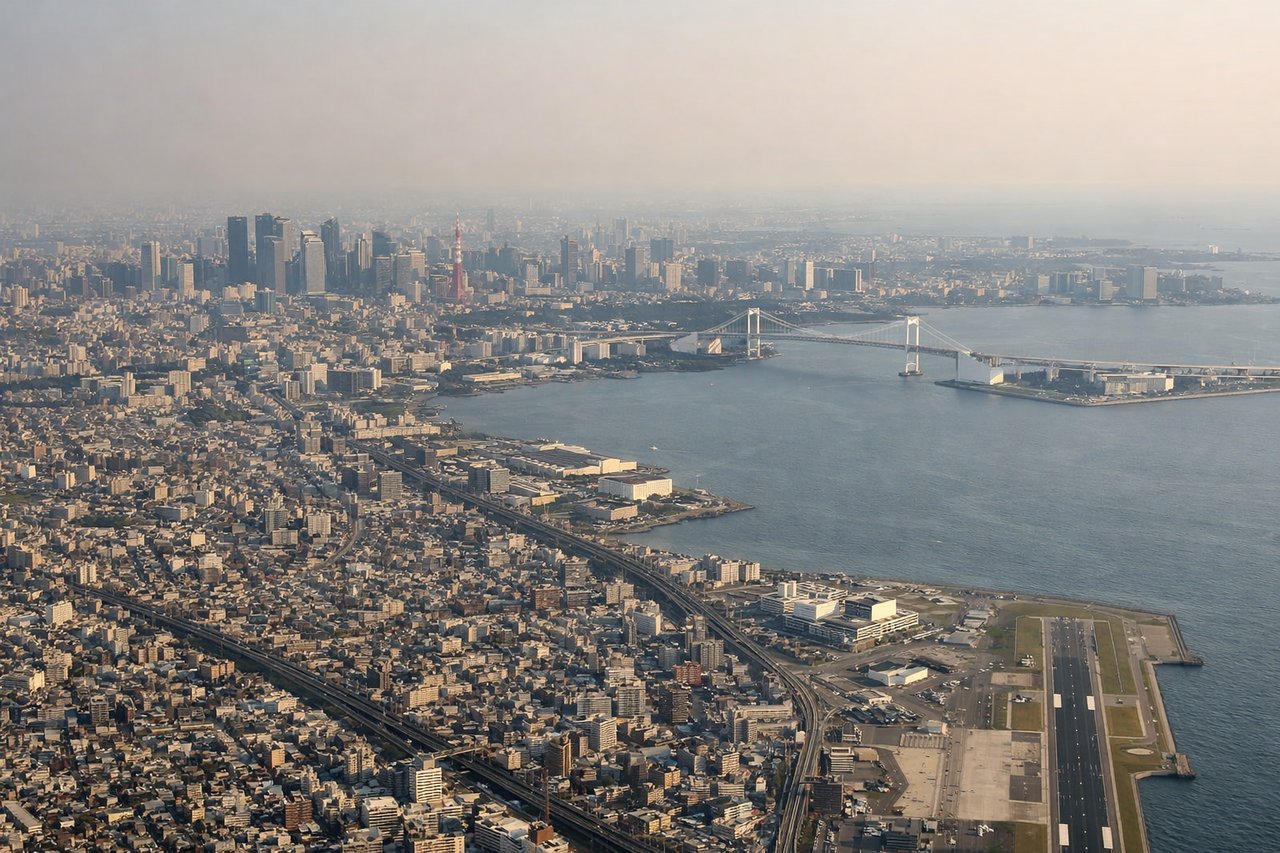
Landing at HND
LEFTTokyo Haneda primarily uses runways 34L/34R for northbound landings or 16L/16R for southbound approaches. On the common northbound approach over Tokyo Bay, the left side faces west toward the city, giving clear views of central Tokyo, the Tokyo Tower, and the dense urban grid. The right side faces east over Tokyo Bay with less to see.
Landmarks on this routeAll landmarks →
Will your flight be in sunlight?
See exactly which side of the plane gets sun and shade at your departure time.
About This Route
Which side of the plane should I sit on flying from Zurich (ZRH) to Tokyo International (HND)?
Sit on the Left side of the plane for the best views on flights from Zurich to Tokyo. Left side wins at both ends of the flight. During the long overwater cruise across Russia and the Sea of Japan, neither side has a significant advantage, but the left side catches the best views at departure over the Swiss Alps and Lake Zurich, and on arrival delivers the full panorama of central Tokyo on approach.
What can I see during takeoff from Zurich in Zurich?
During takeoff from Zurich (ZRH), sit on the Left side for the best views. Zurich typically departs on runway 16 (southbound) or 28 (westbound). On a southbound departure toward the Alps, the left side gives you a direct view of Lake Zurich stretching southeast and then the Swiss Alps rising beyond. On a westbound departure, the left side still captures the city center and Lake Zurich. Notable sights include: Lake Zurich, Zurich city center and old town, Swiss Alps (Glarus and Graubünden ranges), Lake Walen.
What can I see when landing at Tokyo International in Tokyo?
When landing at Tokyo International (HND), sit on the Left side for the best views. Tokyo Haneda primarily uses runways 34L/34R for northbound landings or 16L/16R for southbound approaches. On the common northbound approach over Tokyo Bay, the left side faces west toward the city, giving clear views of central Tokyo, the Tokyo Tower, and the dense urban grid. The right side faces east over Tokyo Bay with less to see. Notable sights include: Tokyo Bay, central Tokyo urban grid, Tokyo Tower, Yokohama waterfront and port.
How long is the flight from Zurich to Tokyo?
The flight from Zurich (ZRH) to Tokyo International (HND) takes Approximately 12 to 13 hours.
What does the Zurich to Tokyo flight path pass over?
The route tracks northeast over Austria and southern Germany, then across southern Poland and Belarus, across Russia over Siberia including the Ural Mountains and the vast Siberian taiga, then descends toward the Russian Far East, crosses the Sea of Japan, and enters Japan over the Noto Peninsula or Hokuriku coast before turning south toward Tokyo. The Siberian river systems including the Ob and Yenisei are visible as massive braided waterways cutting through flat forested terrain.