The left side wins on both ends of the flight: Mount Fuji and Tokyo Bay at departure, and the Alpine foothills with Lake Zurich at arrival, while cruise scenery over Siberia is largely featureless on either side.
Flight Path
Sea of Japan, Russian Far East taiga, Lake Baikal region (occasionally visible depending on routing), vast Siberian plains, Ural Mountains, Eastern European lowlands
Great circle distance and headings ›


Phase by phase

Takeoff from HND
LEFTDeparting Haneda to the north before turning west, passengers on the left (south-facing) side get a clear view back over Tokyo Bay and the city skyline, with Mount Fuji's distinctive cone often visible on the southwest horizon on clear days. The right side mostly shows open bay and flatter Chiba coastline.
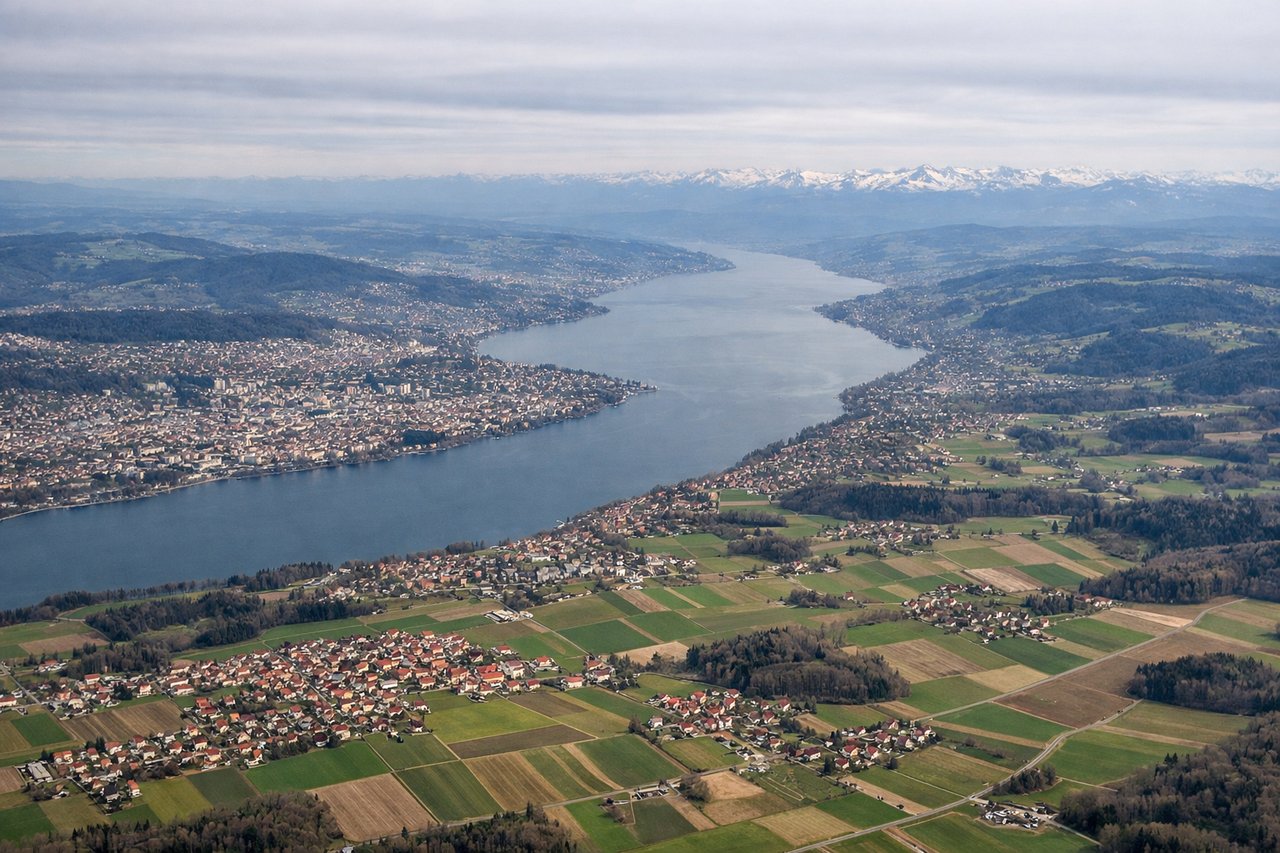
Landing at ZRH
LEFTOn approach to Zurich, especially the common runway 28 arrival from the west or runway 14 from the northeast, the left side offers views toward the Swiss Alps and pre-Alpine foothills to the south, including glimpses of Lake Zurich. The right side during most approach configurations faces flatter farmland and the Jura foothills, which is less dramatic.
Landmarks on this routeAll landmarks →
Will your flight be in sunlight?
See exactly which side of the plane gets sun and shade at your departure time.
About This Route
Which side of the plane should I sit on flying from Tokyo International (HND) to Zurich (ZRH)?
Sit on the Left side of the plane for the best views on flights from Tokyo to Zurich. The left side wins on both ends of the flight: Mount Fuji and Tokyo Bay at departure, and the Alpine foothills with Lake Zurich at arrival, while cruise scenery over Siberia is largely featureless on either side.
What can I see during takeoff from Tokyo International in Tokyo?
During takeoff from Tokyo International (HND), sit on the Left side for the best views. Departing Haneda to the north before turning west, passengers on the left (south-facing) side get a clear view back over Tokyo Bay and the city skyline, with Mount Fuji's distinctive cone often visible on the southwest horizon on clear days. The right side mostly shows open bay and flatter Chiba coastline. Notable sights include: Tokyo Bay, Tokyo skyline (Odaiba/Minato), Mount Fuji (distant), Miura Peninsula.
What can I see when landing at Zurich in Zurich?
When landing at Zurich (ZRH), sit on the Left side for the best views. On approach to Zurich, especially the common runway 28 arrival from the west or runway 14 from the northeast, the left side offers views toward the Swiss Alps and pre-Alpine foothills to the south, including glimpses of Lake Zurich. The right side during most approach configurations faces flatter farmland and the Jura foothills, which is less dramatic. Notable sights include: Lake Zurich, Swiss pre-Alps foothills, Uetliberg ridge, Glarus Alps (distant).
How long is the flight from Tokyo to Zurich?
The flight from Tokyo International (HND) to Zurich (ZRH) takes 12h 55m.
What does the Tokyo to Zurich flight path pass over?
Sea of Japan, Russian Far East taiga, Lake Baikal region (occasionally visible depending on routing), vast Siberian plains, Ural Mountains, Eastern European lowlands