The left side wins overall due to the spectacular Alpine panorama on departure from Zurich, which is one of the finest views in European aviation. The landing views at Keflavik are compelling on the right, but the departure experience on the left is more dramatic and sustained as the aircraft climbs and turns northwest over central Switzerland.
Flown ZRH to KEF? Did we get it right?
Flight Path
Zurich to Keflavik is 1,635 miles (2,631 km), a flight of about 3 hours 45 minutes.
The route tracks northwest over Germany, then across the North Sea passing near the coast of Norway, before crossing the Norwegian Sea and approaching Iceland from the southeast. Passengers may see the Scottish Highlands or Orkney Islands in the distance on clear days, and the Greenland Sea ice edge may be visible near Iceland. The flight crosses significant open ocean with limited landmarks at cruise altitude.
Great circle distance and headings ›

Phase by phase
Takeoff from ZRH
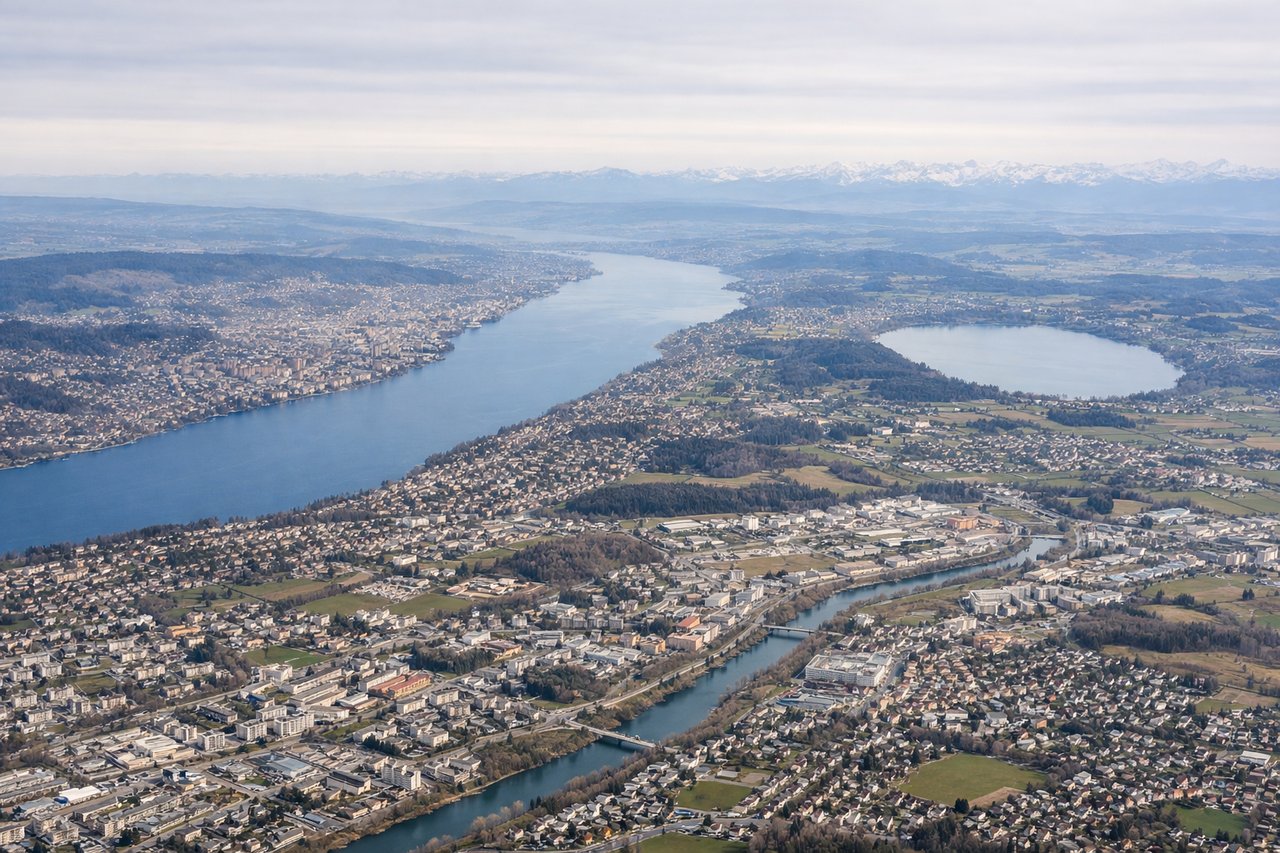
LEFTZurich typically departs on runway 16 heading south or runway 28 heading west. On a westbound/northwestbound departure toward Iceland, a left-side seat gives you views over the city of Zurich and Lake Zurich as you climb out, with the Uetliberg ridge visible below. The Alps stretch across the southern horizon on the left side as the aircraft turns northwest.
Landing at KEF
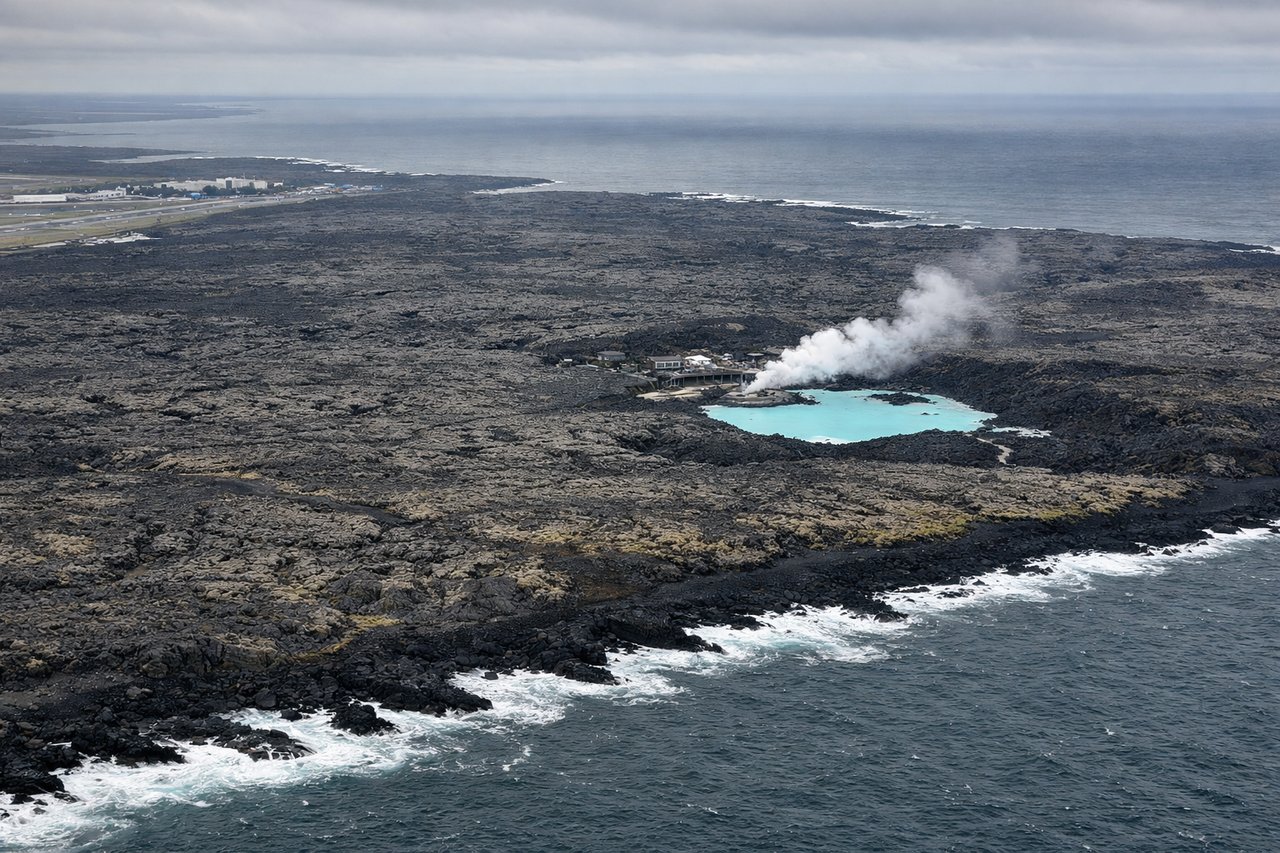
RIGHTKeflavik typically lands on runway 10 or 28 depending on wind, but the dominant approach from the east or southeast puts the Reykjanes Peninsula lava fields and the Atlantic coastline on the right side. The right seat also gives views of the Reykjanes geothermal area and the Blue Lagoon geothermal pool just before touchdown.
Will your flight be in sunlight?
Pick a date and time in the Sun Map to watch the sun move across your whole flight.
About This Route
Which side of the plane should I sit on flying from Zurich (ZRH) to Keflavik Nas (KEF)?
Sit on the Left side of the plane for the best views on flights from Zurich to Keflavik. The left side wins overall due to the spectacular Alpine panorama on departure from Zurich, which is one of the finest views in European aviation. The landing views at Keflavik are compelling on the right, but the departure experience on the left is more dramatic and sustained as the aircraft climbs and turns northwest over central Switzerland.
What can I see during takeoff from Zurich in Zurich?
During takeoff from Zurich (ZRH), sit on the Left side for the best views. Zurich typically departs on runway 16 heading south or runway 28 heading west. On a westbound/northwestbound departure toward Iceland, a left-side seat gives you views over the city of Zurich and Lake Zurich as you climb out, with the Uetliberg ridge visible below. The Alps stretch across the southern horizon on the left side as the aircraft turns northwest. Notable sights include: Lake Zurich, Zurich city center, Uetliberg ridge, Alps on the southern horizon (Glarus Alps and Bernese Oberland peaks).
What can I see when landing at Keflavik Nas in Keflavik?
When landing at Keflavik Nas (KEF), sit on the Right side for the best views. Keflavik typically lands on runway 10 or 28 depending on wind, but the dominant approach from the east or southeast puts the Reykjanes Peninsula lava fields and the Atlantic coastline on the right side. The right seat also gives views of the Reykjanes geothermal area and the Blue Lagoon geothermal pool just before touchdown. Notable sights include: Reykjanes Peninsula lava fields, Blue Lagoon geothermal pool, Atlantic Ocean coastline, Faxaflói Bay.
How long is the flight from Zurich to Keflavik?
The flight from Zurich (ZRH) to Keflavik Nas (KEF) takes about 3 hours 45 minutes. The shortest flight path between them is 1,635 miles (2,631 km); winds and air traffic control usually add a few percent.
What does the Zurich to Keflavik flight path pass over?
The route tracks northwest over Germany, then across the North Sea passing near the coast of Norway, before crossing the Norwegian Sea and approaching Iceland from the southeast. Passengers may see the Scottish Highlands or Orkney Islands in the distance on clear days, and the Greenland Sea ice edge may be visible near Iceland. The flight crosses significant open ocean with limited landmarks at cruise altitude.