Right-side seats win for both departure and arrival. The westward climb from Paris offers Seine River views, and the eastward approach to Cancun showcases the Caribbean's most visually distinctive feature—the turquoise shallow waters and white sand beaches. Right side provides superior scenery for the majority of this transatlantic route.
Flight Path
Over the Atlantic, you'll cross the Mid-Atlantic Ridge region (not visible at surface level). Notable waypoints include views of the Iberian Peninsula and North African coast if flying a slightly southern route, the Azores archipelago (if visible on the horizon during mid-flight), and eventually the Bahamas and Caribbean islands as you approach the Yucatan Peninsula. The flight typically follows a great-circle route that takes you over the Atlantic with few visible landmarks during the 6-7 hour ocean crossing.
Great circle distance and headings ›.jpg?width=600)

Phase by phase
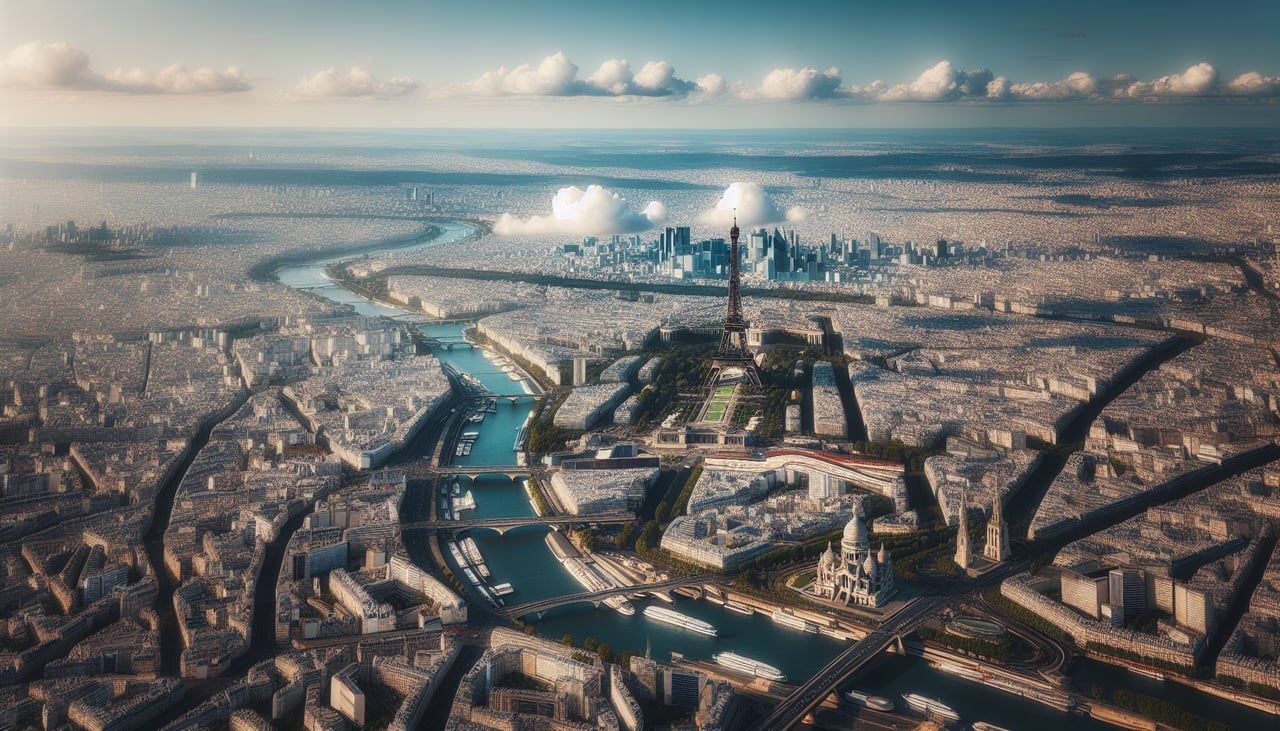
Takeoff from CDG
RIGHTRight-side seats offer views of the Seine River winding through Paris and the Île-de-France region as the aircraft climbs westward. You'll see the urban sprawl of greater Paris receding beneath you, with the distinctive meandering river patterns clearly visible.
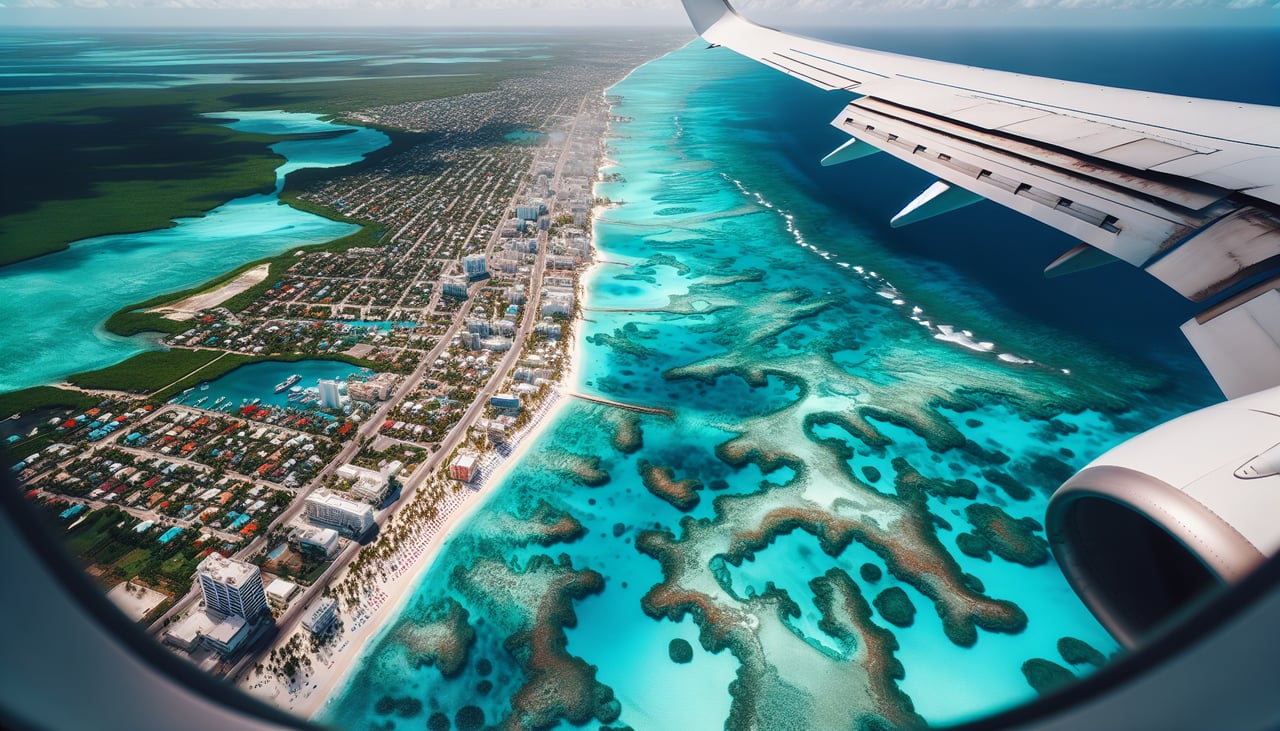
Landing at CUN
RIGHTRight-side seats provide excellent views during the final approach to Cancun. You'll see the turquoise Caribbean waters, the Yucatan Peninsula's distinctive white sand beaches, and the lagoon systems that make this region visually striking. The contrast between the shallow turquoise waters and deeper blue ocean is particularly dramatic.
Landmarks on this routeAll landmarks →
Will your flight be in sunlight?
See exactly which side of the plane gets sun and shade at your departure time.
About This Route
Which side of the plane should I sit on flying from Charles De Gaulle (CDG) to Cancun International (CUN)?
Sit on the Right side of the plane for the best views on flights from Paris to Cancun. Right-side seats win for both departure and arrival. The westward climb from Paris offers Seine River views, and the eastward approach to Cancun showcases the Caribbean's most visually distinctive feature—the turquoise shallow waters and white sand beaches. Right side provides superior scenery for the majority of this transatlantic route.
What can I see during takeoff from Charles De Gaulle in Paris?
During takeoff from Charles De Gaulle (CDG), sit on the Right side for the best views. Right-side seats offer views of the Seine River winding through Paris and the Île-de-France region as the aircraft climbs westward. You'll see the urban sprawl of greater Paris receding beneath you, with the distinctive meandering river patterns clearly visible. Notable sights include: Seine River, Paris urban area, Versailles region, Fontainebleau Forest (distant).
What can I see when landing at Cancun International in Cancun?
When landing at Cancun International (CUN), sit on the Right side for the best views. Right-side seats provide excellent views during the final approach to Cancun. You'll see the turquoise Caribbean waters, the Yucatan Peninsula's distinctive white sand beaches, and the lagoon systems that make this region visually striking. The contrast between the shallow turquoise waters and deeper blue ocean is particularly dramatic. Notable sights include: Caribbean Sea (turquoise shallow waters), Cancun Lagoon, Yucatan Peninsula coastline, Isla Mujeres (visible to the north).
How long is the flight from Paris to Cancun?
The flight from Charles De Gaulle (CDG) to Cancun International (CUN) takes Approximately 9 to 10 hours.
What does the Paris to Cancun flight path pass over?
Over the Atlantic, you'll cross the Mid-Atlantic Ridge region (not visible at surface level). Notable waypoints include views of the Iberian Peninsula and North African coast if flying a slightly southern route, the Azores archipelago (if visible on the horizon during mid-flight), and eventually the Bahamas and Caribbean islands as you approach the Yucatan Peninsula. The flight typically follows a great-circle route that takes you over the Atlantic with few visible landmarks during the 6-7 hour ocean crossing.