Paris to Fort-de-France is 4,269 miles (6,870 km), a flight of about 8 hours 30 minutes.
The landing approach on the right side delivers the most dramatic single view of the flight — Mont Pelée, the Pitons du Carbet, and the Caribbean coastline all at once. The takeoff left-side Paris views are excellent but relatively brief; the Martinique arrival scenery is rarer and more spectacular for most travelers.
Flight Path
The flight tracks southwest from Paris over the Loire Valley and Bordeaux, crosses the Bay of Biscay, follows the Iberian Peninsula coast, then heads out over the open Atlantic. The Canary Islands (Tenerife, Gran Canaria) may be visible far to the left around the 4-5 hour mark. The final 2 hours cross the Caribbean Sea with the Lesser Antilles chain — Guadeloupe appears before Martinique and is visible from both sides depending on the exact routing.
Great circle distance and headings ›Phase by phase
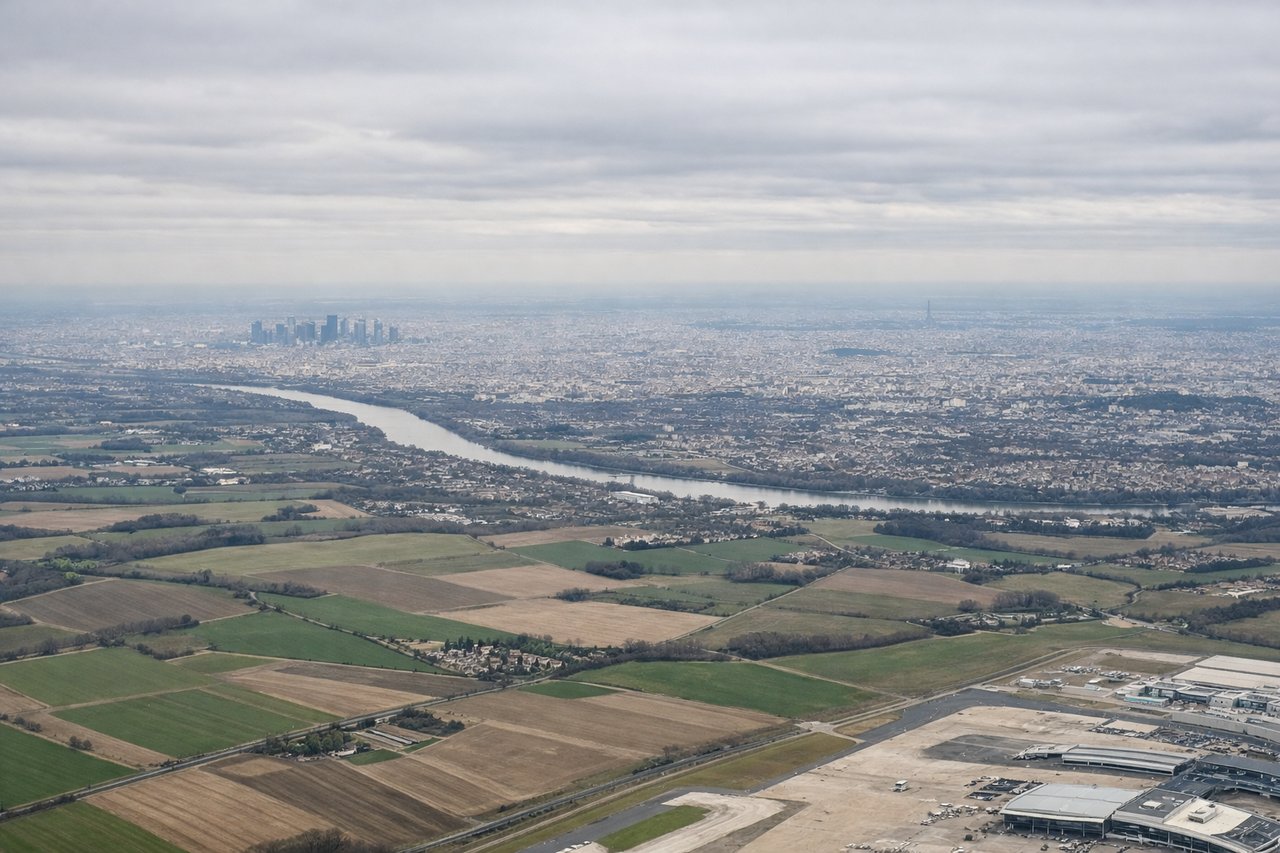
Takeoff from CDG
LEFTCDG typically departs westward on runways 26L/26R or southward on 09/27 configuration. A left-side seat gives you the sweep over central Paris — the Seine bends, the Eiffel Tower, and the dense Haussmann grid are all clearly visible during the climb-out before the aircraft turns southwest toward the Atlantic.
Landing at FDF
RIGHTLe Lamentin airport typically uses runway 09 for arrivals from the east, meaning the aircraft approaches from the Atlantic side over the east coast of Martinique. A right-side seat gives you the dramatic view of Mont Pelée volcano in the north of the island and the rugged Atlantic coastline during the descent.
Landmarks on this routeAll landmarks →
Will your flight be in sunlight?
Pick a date and time in the Sun Map to watch the sun move across your whole flight.
About This Route
Which side of the plane should I sit on flying from Charles De Gaulle (CDG) to Le Lamentin (FDF)?
Sit on the Right side of the plane for the best views on flights from Paris to Fort-de-France. The landing approach on the right side delivers the most dramatic single view of the flight — Mont Pelée, the Pitons du Carbet, and the Caribbean coastline all at once. The takeoff left-side Paris views are excellent but relatively brief; the Martinique arrival scenery is rarer and more spectacular for most travelers.
What can I see during takeoff from Charles De Gaulle in Paris?
During takeoff from Charles De Gaulle (CDG), sit on the Left side for the best views. CDG typically departs westward on runways 26L/26R or southward on 09/27 configuration. A left-side seat gives you the sweep over central Paris — the Seine bends, the Eiffel Tower, and the dense Haussmann grid are all clearly visible during the climb-out before the aircraft turns southwest toward the Atlantic. Notable sights include: Seine river bends through central Paris, Eiffel Tower and Champ de Mars, La Défense business district towers, Bois de Boulogne.
What can I see when landing at Le Lamentin in Fort-de-France?
When landing at Le Lamentin (FDF), sit on the Right side for the best views. Le Lamentin airport typically uses runway 09 for arrivals from the east, meaning the aircraft approaches from the Atlantic side over the east coast of Martinique. A right-side seat gives you the dramatic view of Mont Pelée volcano in the north of the island and the rugged Atlantic coastline during the descent. Notable sights include: Mont Pelée volcano (1,397m) in northern Martinique, Atlantic coastline and Caravelle Peninsula, Fort-de-France Bay, Pitons du Carbet mountain range.
How long is the flight from Paris to Fort-de-France?
The flight from Charles De Gaulle (CDG) to Le Lamentin (FDF) takes about 8 hours 30 minutes. The shortest flight path between them is 4,269 miles (6,870 km); winds and air traffic control usually add a few percent.
What does the Paris to Fort-de-France flight path pass over?
The flight tracks southwest from Paris over the Loire Valley and Bordeaux, crosses the Bay of Biscay, follows the Iberian Peninsula coast, then heads out over the open Atlantic. The Canary Islands (Tenerife, Gran Canaria) may be visible far to the left around the 4-5 hour mark. The final 2 hours cross the Caribbean Sea with the Lesser Antilles chain — Guadeloupe appears before Martinique and is visible from both sides depending on the exact routing.