Paris to Palermo is 914 miles (1,470 km), a flight of about 2 hours 25 minutes.
Right side wins both ends of the flight. During the cruise over the Alps, the right side also faces south toward the main Alpine chain as the route tracks southeast, giving occasional views of Mont Blanc massif and the Po Valley. Over the Tyrrhenian Sea the views are more open on the right side as you approach Sicily.
Flight Path
The route crosses the French Alps southeast of Lyon, where Mont Blanc and the Graian Alps are visible. It then crosses the Po Valley in northern Italy — a vast flat agricultural plain — before tracking over the Apennines of central Italy. The flight crosses the Tyrrhenian Sea for the final 150 miles, with the Aeolian Islands (Stromboli, Lipari) potentially visible to the east on a clear day before descending toward Sicily.
Great circle distance and headings ›.jpg?width=600)


Phase by phase
Takeoff from CDG
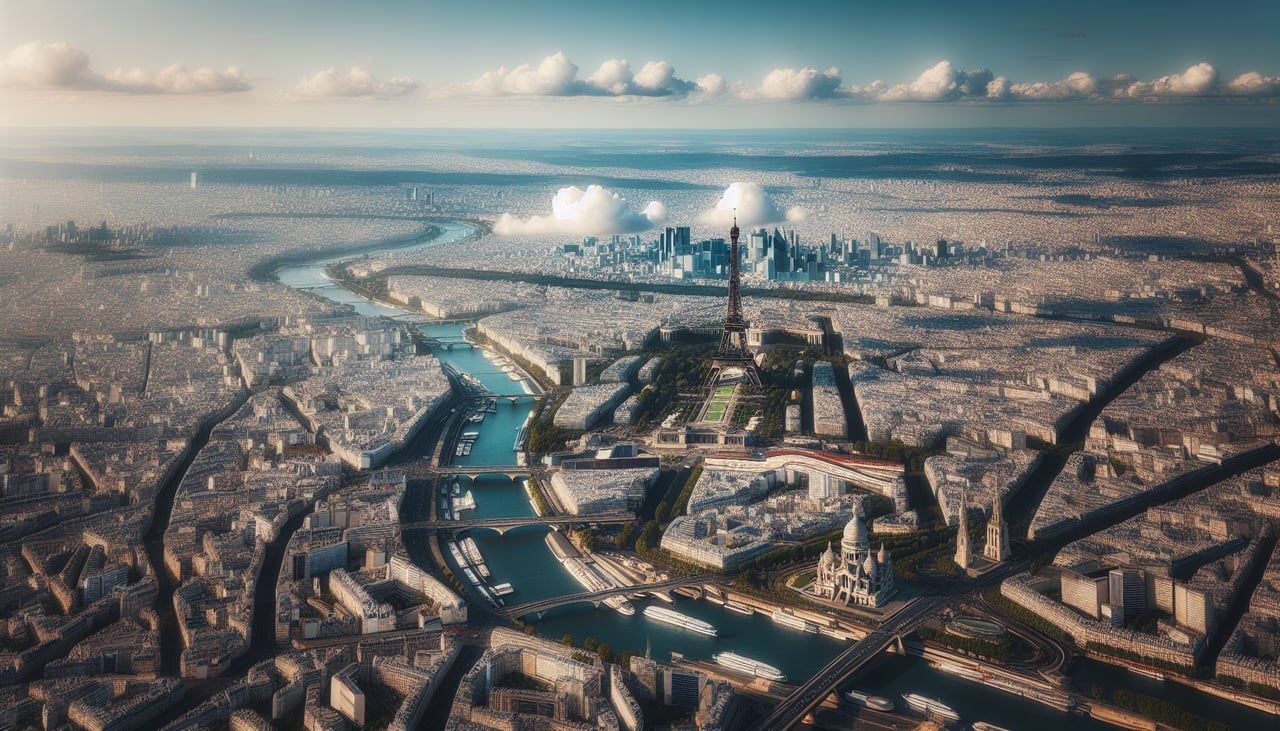
RIGHTCDG typically departs eastward on runways 09L/09R or southward on 08R, meaning a right-side seat faces south toward Paris city center during the initial climb and turn. You get a clear view of the Seine river bends, the Eiffel Tower area, and the dense urban fabric of central Paris as the aircraft banks southeast toward the Alps.
Landing at PMO
RIGHTPalermo's Boccadifalco airport sits on the northwestern edge of the city, and aircraft typically approach from the sea to the north or northwest. A right-side seat on approach gives you the Tyrrhenian Sea coastline, the Gulf of Palermo, and Monte Pellegrino's dramatic limestone headland rising directly above the city.
Landmarks on this routeAll landmarks →
Will your flight be in sunlight?
Pick a date and time in the Sun Map to watch the sun move across your whole flight.
About This Route
Which side of the plane should I sit on flying from Charles De Gaulle (CDG) to Falcone–Borsellino Airport (PMO)?
Sit on the Right side of the plane for the best views on flights from Paris to Palermo. Right side wins both ends of the flight. During the cruise over the Alps, the right side also faces south toward the main Alpine chain as the route tracks southeast, giving occasional views of Mont Blanc massif and the Po Valley. Over the Tyrrhenian Sea the views are more open on the right side as you approach Sicily.
What can I see during takeoff from Charles De Gaulle in Paris?
During takeoff from Charles De Gaulle (CDG), sit on the Right side for the best views. CDG typically departs eastward on runways 09L/09R or southward on 08R, meaning a right-side seat faces south toward Paris city center during the initial climb and turn. You get a clear view of the Seine river bends, the Eiffel Tower area, and the dense urban fabric of central Paris as the aircraft banks southeast toward the Alps. Notable sights include: Seine river meanders through central Paris, Eiffel Tower and Champ de Mars, Bois de Vincennes forest edge, Marne river valley.
What can I see when landing at Falcone–Borsellino Airport in Palermo?
When landing at Falcone–Borsellino Airport (PMO), sit on the Right side for the best views. Palermo's Boccadifalco airport sits on the northwestern edge of the city, and aircraft typically approach from the sea to the north or northwest. A right-side seat on approach gives you the Tyrrhenian Sea coastline, the Gulf of Palermo, and Monte Pellegrino's dramatic limestone headland rising directly above the city. Notable sights include: Monte Pellegrino limestone promontory, Gulf of Palermo coastline, Palermo city center and port, Conca d'Oro valley.
How long is the flight from Paris to Palermo?
The flight from Charles De Gaulle (CDG) to Falcone–Borsellino Airport (PMO) takes about 2 hours 25 minutes. The shortest flight path between them is 914 miles (1,470 km); winds and air traffic control usually add a few percent.
What does the Paris to Palermo flight path pass over?
The route crosses the French Alps southeast of Lyon, where Mont Blanc and the Graian Alps are visible. It then crosses the Po Valley in northern Italy — a vast flat agricultural plain — before tracking over the Apennines of central Italy. The flight crosses the Tyrrhenian Sea for the final 150 miles, with the Aeolian Islands (Stromboli, Lipari) potentially visible to the east on a clear day before descending toward Sicily.