While the takeoff offers excellent reef views, the landing approach provides more sustained and dramatic scenery—the Tiber River, Apennine Mountains, and the approach to Rome itself are visually compelling. Right side captures the most geographically significant features of the final descent.
Flight Path
Flight path crosses the Indian Ocean, then over the Arabian Peninsula (Rub' al Khali desert visible from altitude), Persian Gulf, Zagros Mountains (Iran-Iraq border), Mesopotamian plains, and the eastern Mediterranean. Depending on routing, may pass over the Red Sea, Suez Canal region, or the Levantine coast. The Nile Delta is often visible on approach to European airspace. No single continuous midpoint—this is an ultra-long-haul route with significant geographic diversity across three continents.
Great circle distance and headings ›
.jpg?width=600)


Phase by phase
Takeoff from CNS
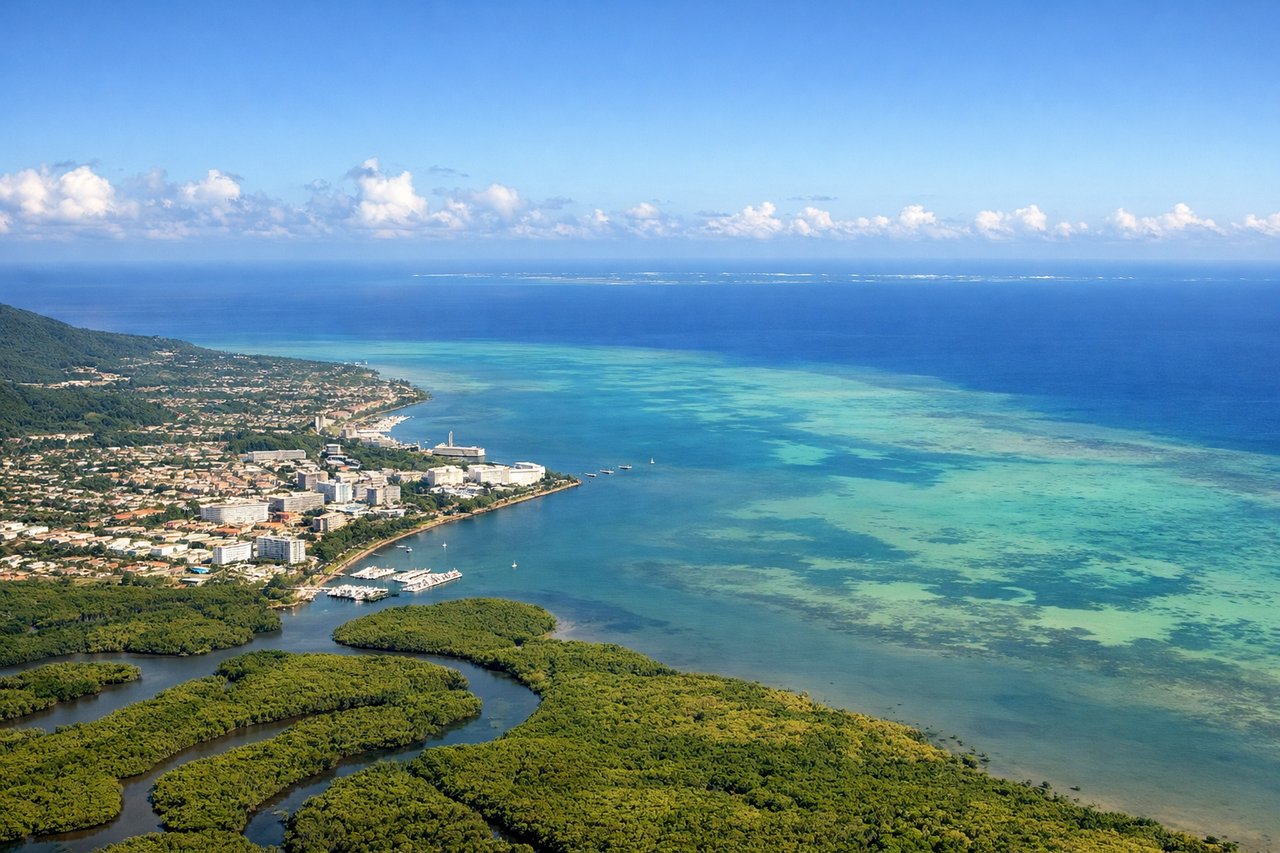
LEFTLeft side offers immediate views of the Great Barrier Reef's outer edges and the Coral Sea as the aircraft climbs northwestward. The reef's turquoise lagoons and darker ocean contrast are striking even at low altitude during initial climb.
Landing at FCO
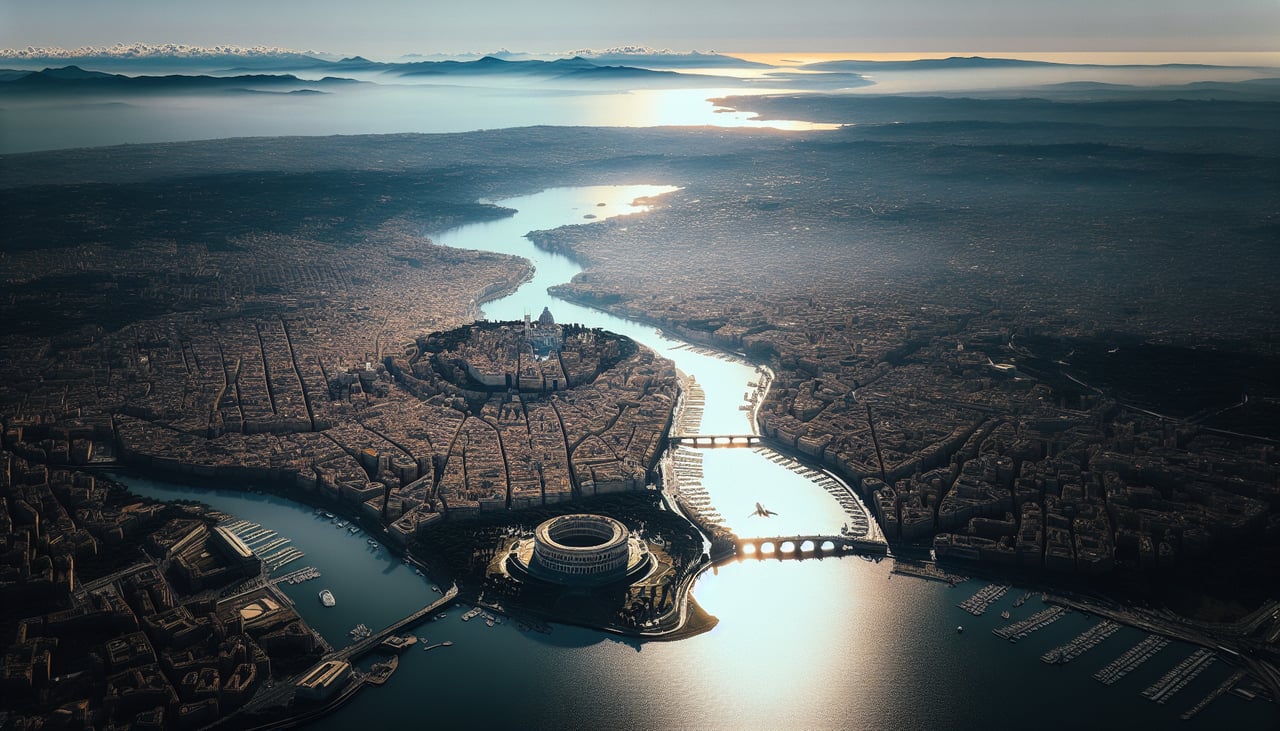
RIGHTRight side provides extended views of the Apennine Mountains and the Tiber River valley as the aircraft descends toward Rome from the northeast. The river's meandering path through the Roman countryside and the city's urban sprawl are clearly visible on approach.
Landmarks on this routeAll landmarks →
Will your flight be in sunlight?
See exactly which side of the plane gets sun and shade at your departure time.
About This Route
Which side of the plane should I sit on flying from Cairns International (CNS) to Fiumicino (FCO)?
Sit on the Right side of the plane for the best views on flights from Cairns to Rome. While the takeoff offers excellent reef views, the landing approach provides more sustained and dramatic scenery—the Tiber River, Apennine Mountains, and the approach to Rome itself are visually compelling. Right side captures the most geographically significant features of the final descent.
What can I see during takeoff from Cairns International in Cairns?
During takeoff from Cairns International (CNS), sit on the Left side for the best views. Left side offers immediate views of the Great Barrier Reef's outer edges and the Coral Sea as the aircraft climbs northwestward. The reef's turquoise lagoons and darker ocean contrast are striking even at low altitude during initial climb. Notable sights include: Great Barrier Reef (turquoise lagoon patterns), Coral Sea (deep blue water), Trinity Bay (immediate foreground), Barron River valley (inland to the west).
What can I see when landing at Fiumicino in Rome?
When landing at Fiumicino (FCO), sit on the Right side for the best views. Right side provides extended views of the Apennine Mountains and the Tiber River valley as the aircraft descends toward Rome from the northeast. The river's meandering path through the Roman countryside and the city's urban sprawl are clearly visible on approach. Notable sights include: Tiber River (winding through central Italy), Apennine Mountains (eastern horizon), Roman Campagna (agricultural plains), Fiumicino airport and Tyrrhenian Sea coast (western approach).
How long is the flight from Cairns to Rome?
The flight from Cairns International (CNS) to Fiumicino (FCO) takes Approximately 18-20 hours (including refueling stop, likely in Middle East or South Asia).
What does the Cairns to Rome flight path pass over?
Flight path crosses the Indian Ocean, then over the Arabian Peninsula (Rub' al Khali desert visible from altitude), Persian Gulf, Zagros Mountains (Iran-Iraq border), Mesopotamian plains, and the eastern Mediterranean. Depending on routing, may pass over the Red Sea, Suez Canal region, or the Levantine coast. The Nile Delta is often visible on approach to European airspace. No single continuous midpoint—this is an ultra-long-haul route with significant geographic diversity across three continents.