Detroit to Keflavik is 2,785 miles (4,482 km), a flight of about 7 hours 15 minutes.
While right offers the better takeoff experience, the landing view of Iceland's unique volcanic landscape and coastal approach is more geographically distinctive and memorable than the relatively common Great Lakes scenery at departure.
Flight Path
The flight path crosses the North Atlantic at high latitude, passing over the open ocean with no significant landmarks visible for most of the journey. Around the midpoint (roughly 3.5 hours out), you're over the Atlantic between Greenland and Iceland with only water visible. As you approach Iceland after 6+ hours, the first landfall is typically the southeastern coast near Vatnajökull glacier region, though this is usually at altitude where glaciers appear as white patches on the horizon. The final approach brings the Reykjanes Peninsula's distinctive dark lava fields into clear view.
Great circle distance and headings ›Phase by phase
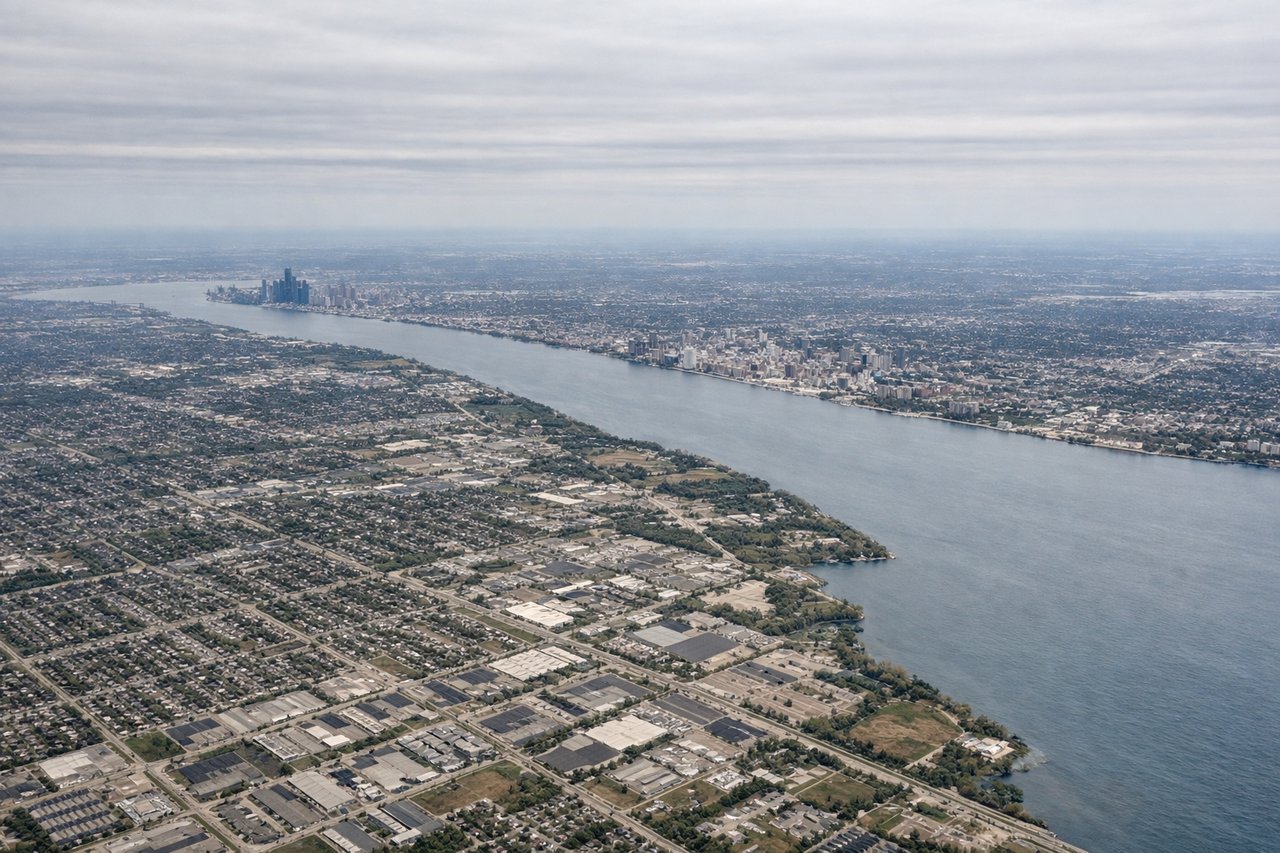
Takeoff from DTW
RIGHTDTW typically departs eastbound (runways 03L/03R or 21L/21R depending on wind). Right-side seats offer views of Lake St. Clair and the Detroit River delta as you climb out over southeastern Michigan, with the urban sprawl of Detroit visible to the left but less dramatic.
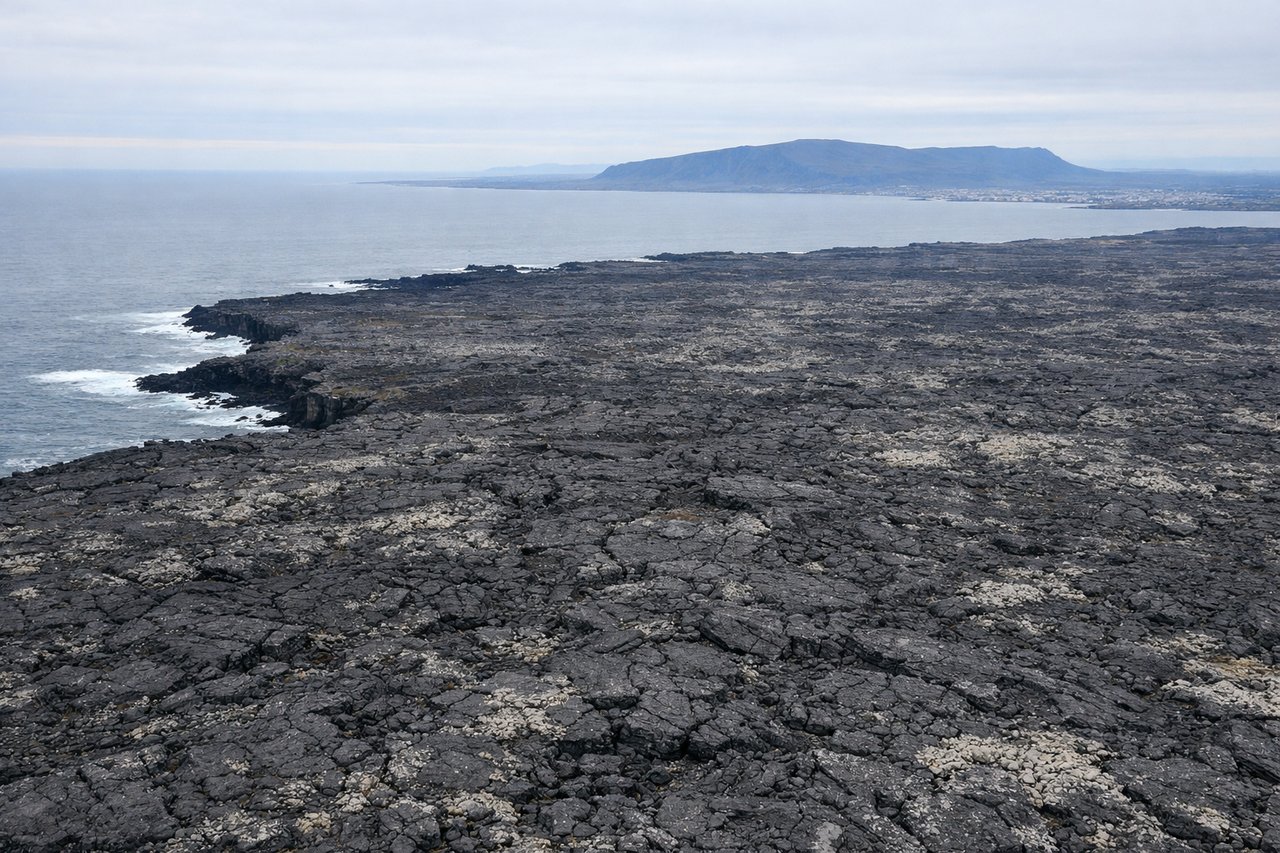
Landing at KEF
LEFTApproaching KEF from the southwest (typical arrival routing), left-side seats provide views of Iceland's southwestern coast, the Reykjanes Peninsula's distinctive lava fields, and the approach over Faxaflói Bay. Right-side views are mostly open ocean.
Landmarks on this routeAll landmarks →
Will your flight be in sunlight?
Pick a date and time in the Sun Map to watch the sun move across your whole flight.
About This Route
Which side of the plane should I sit on flying from Detroit Metro Wayne Co (DTW) to Keflavik Nas (KEF)?
Sit on the Left side of the plane for the best views on flights from Detroit to Keflavik. While right offers the better takeoff experience, the landing view of Iceland's unique volcanic landscape and coastal approach is more geographically distinctive and memorable than the relatively common Great Lakes scenery at departure.
What can I see during takeoff from Detroit Metro Wayne Co in Detroit?
During takeoff from Detroit Metro Wayne Co (DTW), sit on the Right side for the best views. DTW typically departs eastbound (runways 03L/03R or 21L/21R depending on wind). Right-side seats offer views of Lake St. Clair and the Detroit River delta as you climb out over southeastern Michigan, with the urban sprawl of Detroit visible to the left but less dramatic. Notable sights include: Lake St. Clair (immediate right during climb), Detroit River and its islands, Lake Erie (distant right on horizon), suburban Detroit grid pattern.
What can I see when landing at Keflavik Nas in Keflavik?
When landing at Keflavik Nas (KEF), sit on the Left side for the best views. Approaching KEF from the southwest (typical arrival routing), left-side seats provide views of Iceland's southwestern coast, the Reykjanes Peninsula's distinctive lava fields, and the approach over Faxaflói Bay. Right-side views are mostly open ocean. Notable sights include: Reykjanes Peninsula lava fields (dark volcanic terrain), Faxaflói Bay, Iceland's southwestern coastline, geothermal areas near Keflavik.
How long is the flight from Detroit to Keflavik?
The flight from Detroit Metro Wayne Co (DTW) to Keflavik Nas (KEF) takes about 7 hours 15 minutes. The shortest flight path between them is 2,785 miles (4,482 km); winds and air traffic control usually add a few percent.
What does the Detroit to Keflavik flight path pass over?
The flight path crosses the North Atlantic at high latitude, passing over the open ocean with no significant landmarks visible for most of the journey. Around the midpoint (roughly 3.5 hours out), you're over the Atlantic between Greenland and Iceland with only water visible. As you approach Iceland after 6+ hours, the first landfall is typically the southeastern coast near Vatnajökull glacier region, though this is usually at altitude where glaciers appear as white patches on the horizon. The final approach brings the Reykjanes Peninsula's distinctive dark lava fields into clear view.