While the takeoff offers dramatic Alaska Range views, the landing descent provides more sustained scenic variety—bay views, mountain ranges, and the transition from wilderness to urban California. Right-side seating captures the most visually interesting portion of the flight.
Flown FAI to SJC? Did we get it right?
Flight Path
Fairbanks to San Jose is 2,171 miles (3,494 km), a flight of about 5 hours 15 minutes.
The flight path crosses interior Alaska (boreal forest and river valleys), then transitions over the Cascade Range in Oregon and northern California (volcanic peaks including Mount Shasta visible on clear days), before descending through the Sierra Nevada foothills into the Central Valley and San Francisco Bay Area.
Great circle distance and headings ›

Phase by phase
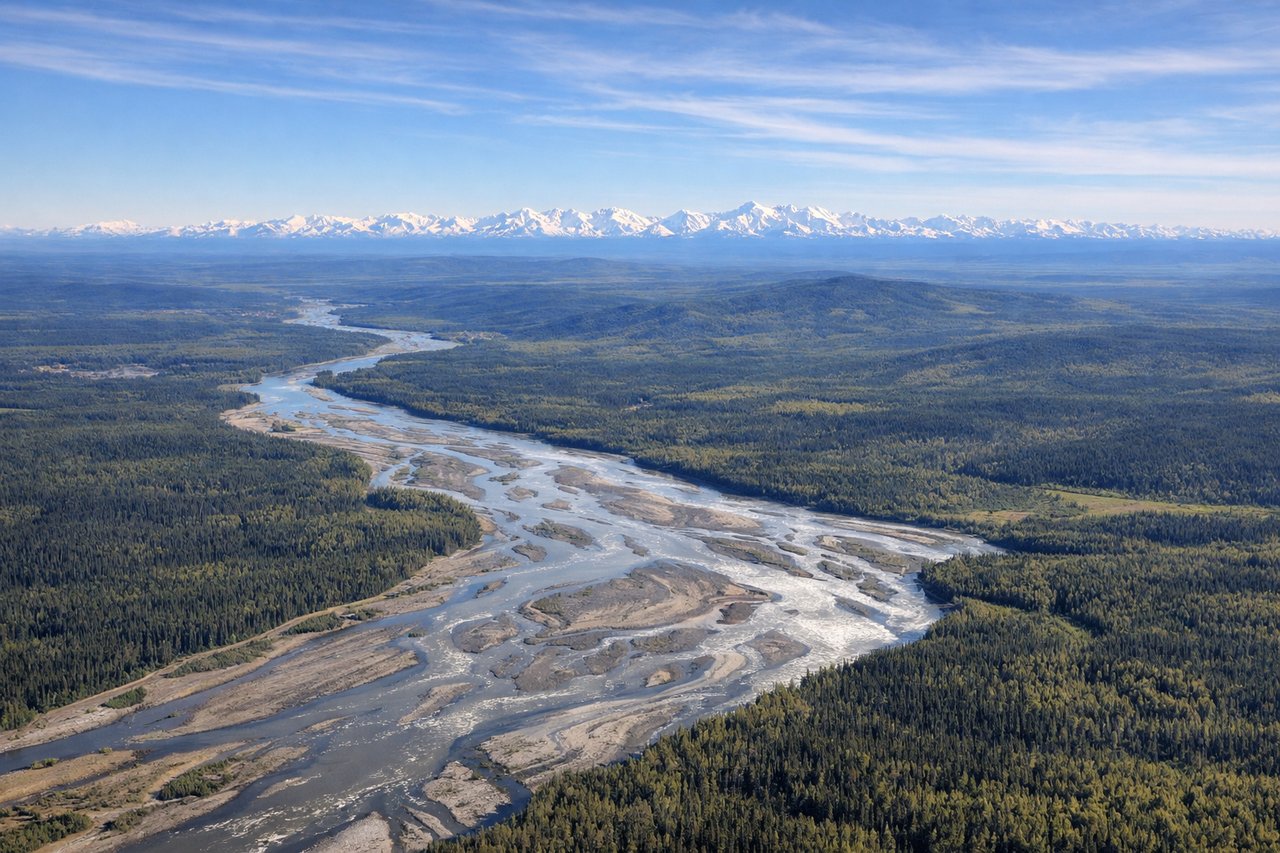
Takeoff from FAI
LEFTLeft side captures the Alaska Range immediately after departure, with Denali visible on clear days. The climb-out heads south-southwest, positioning the range directly off the left wing during the first 15-20 minutes of flight.
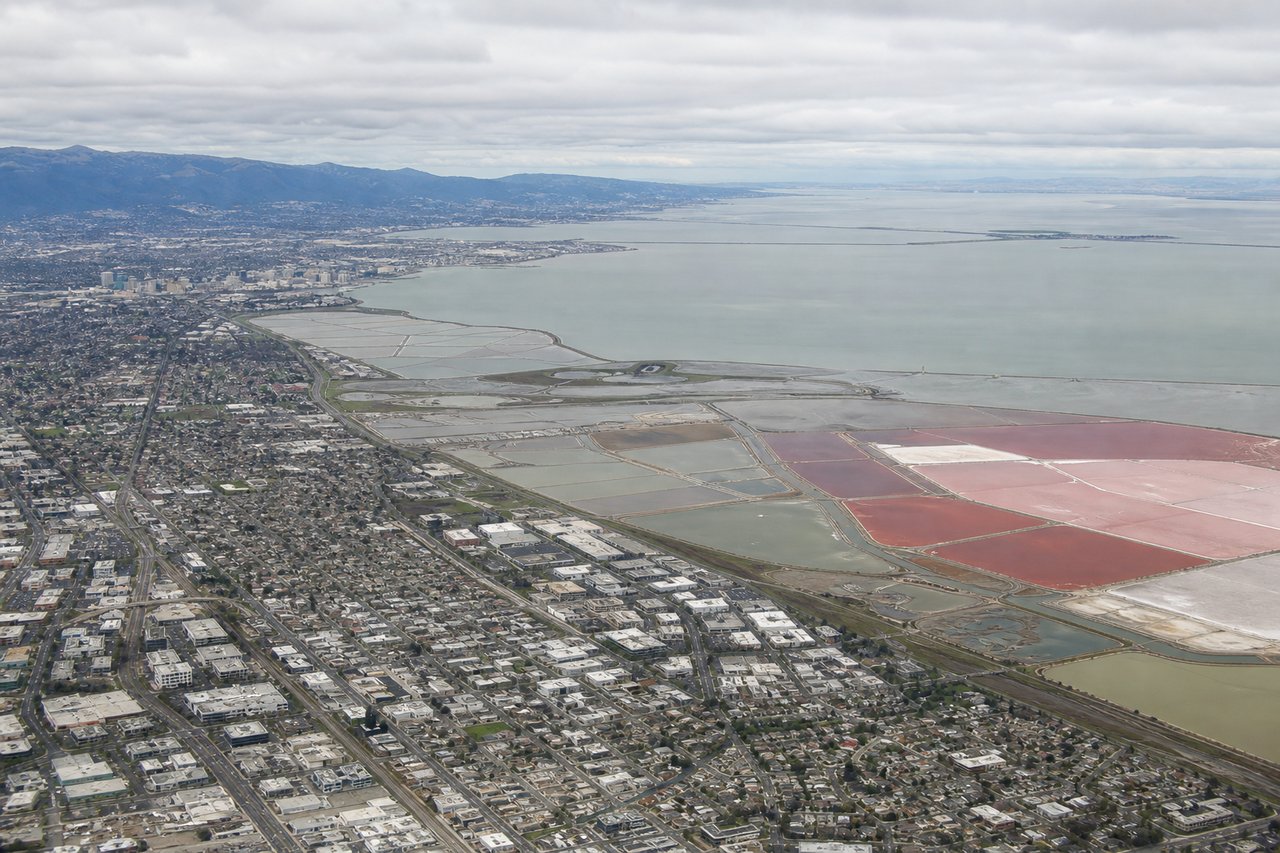
Landing at SJC
RIGHTRight side offers views of the San Francisco Bay, Santa Cruz Mountains, and the Santa Clara Valley during descent into SJC. The approach from the north brings these features into view on the right wing during the final 20-30 minutes before landing.
Will your flight be in sunlight?
Pick a date and time in the Sun Map to watch the sun move across your whole flight.
About This Route
Which side of the plane should I sit on flying from Fairbanks International (FAI) to Norman Y Mineta San Jose International (SJC)?
Sit on the Right side of the plane for the best views on flights from Fairbanks to San Jose. While the takeoff offers dramatic Alaska Range views, the landing descent provides more sustained scenic variety—bay views, mountain ranges, and the transition from wilderness to urban California. Right-side seating captures the most visually interesting portion of the flight.
What can I see during takeoff from Fairbanks International in Fairbanks?
During takeoff from Fairbanks International (FAI), sit on the Left side for the best views. Left side captures the Alaska Range immediately after departure, with Denali visible on clear days. The climb-out heads south-southwest, positioning the range directly off the left wing during the first 15-20 minutes of flight. Notable sights include: Alaska Range (including Denali at 20,310 ft), Tanana River valley, Fairbanks city grid, foothills transitioning to interior lowlands.
What can I see when landing at Norman Y Mineta San Jose International in San Jose?
When landing at Norman Y Mineta San Jose International (SJC), sit on the Right side for the best views. Right side offers views of the San Francisco Bay, Santa Cruz Mountains, and the Santa Clara Valley during descent into SJC. The approach from the north brings these features into view on the right wing during the final 20-30 minutes before landing. Notable sights include: San Francisco Bay (southern portion), Santa Cruz Mountains, Santa Clara Valley urban sprawl, Diablo Range foothills.
How long is the flight from Fairbanks to San Jose?
The flight from Fairbanks International (FAI) to Norman Y Mineta San Jose International (SJC) takes about 5 hours 15 minutes. The shortest flight path between them is 2,171 miles (3,494 km); winds and air traffic control usually add a few percent.
What does the Fairbanks to San Jose flight path pass over?
The flight path crosses interior Alaska (boreal forest and river valleys), then transitions over the Cascade Range in Oregon and northern California (volcanic peaks including Mount Shasta visible on clear days), before descending through the Sierra Nevada foothills into the Central Valley and San Francisco Bay Area.