Guatemala City to New York is 2,063 miles (3,321 km), a flight of about 5 hours 10 minutes.
The left side delivers the dramatic volcanic departure from Guatemala City and, on arrival, a rare skyline view of Manhattan and Jamaica Bay—both distinctive, named landmarks that outweigh the right side's mostly open water and flat coastal plain views during cruise.
Flight Path
Yucatán Peninsula coastline, Gulf of Mexico open water, Florida panhandle and peninsula, Georgia and Carolina barrier islands along the Atlantic seaboard
Great circle distance and headings ›
.jpg?width=600)
Phase by phase
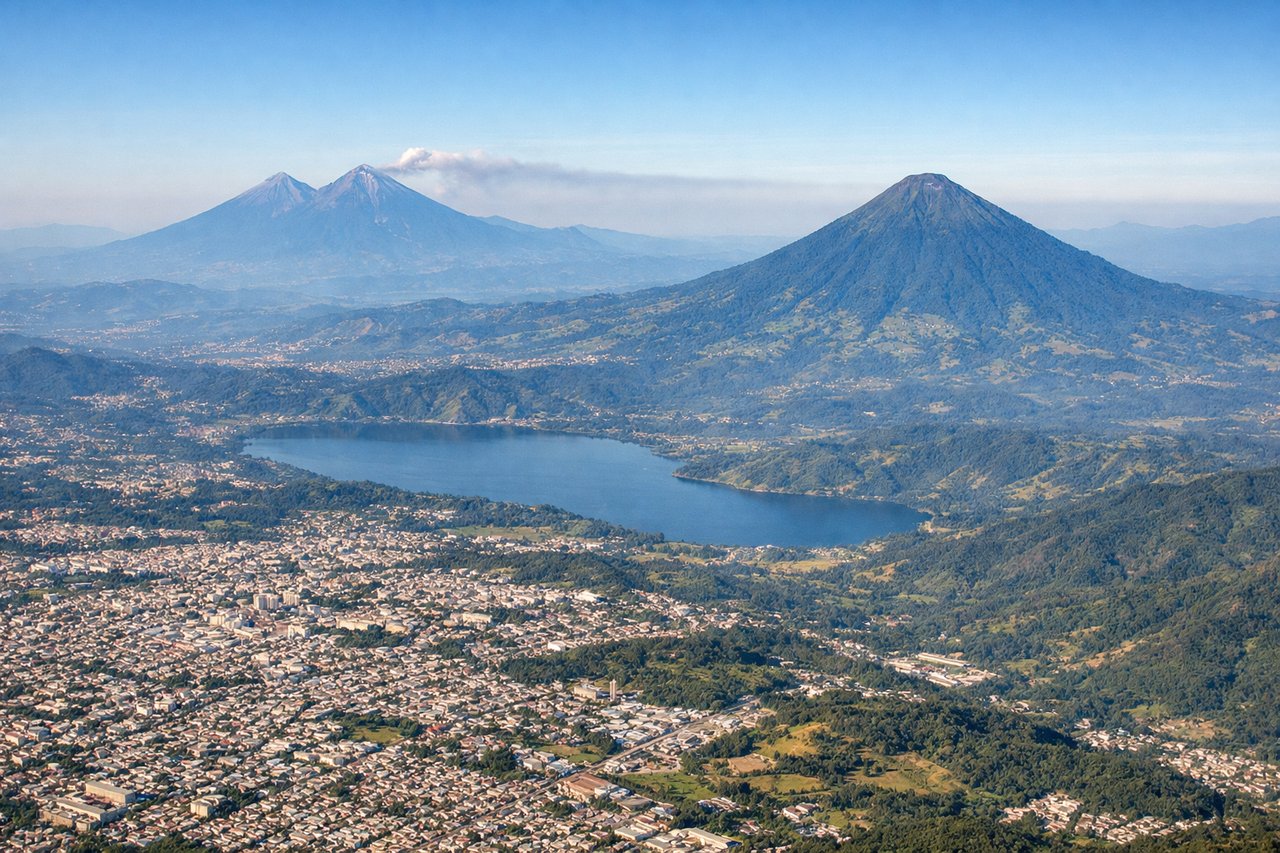
Takeoff from GUA
LEFTClimbing out of Guatemala City, the aircraft's turn onto its northbound heading puts the dramatic volcanic chain—Agua, Fuego, and Acatenango—on the left side of the plane, rising sharply above the highland valley. This is a much more striking departure view than the flatter eastern lowlands visible on the right.
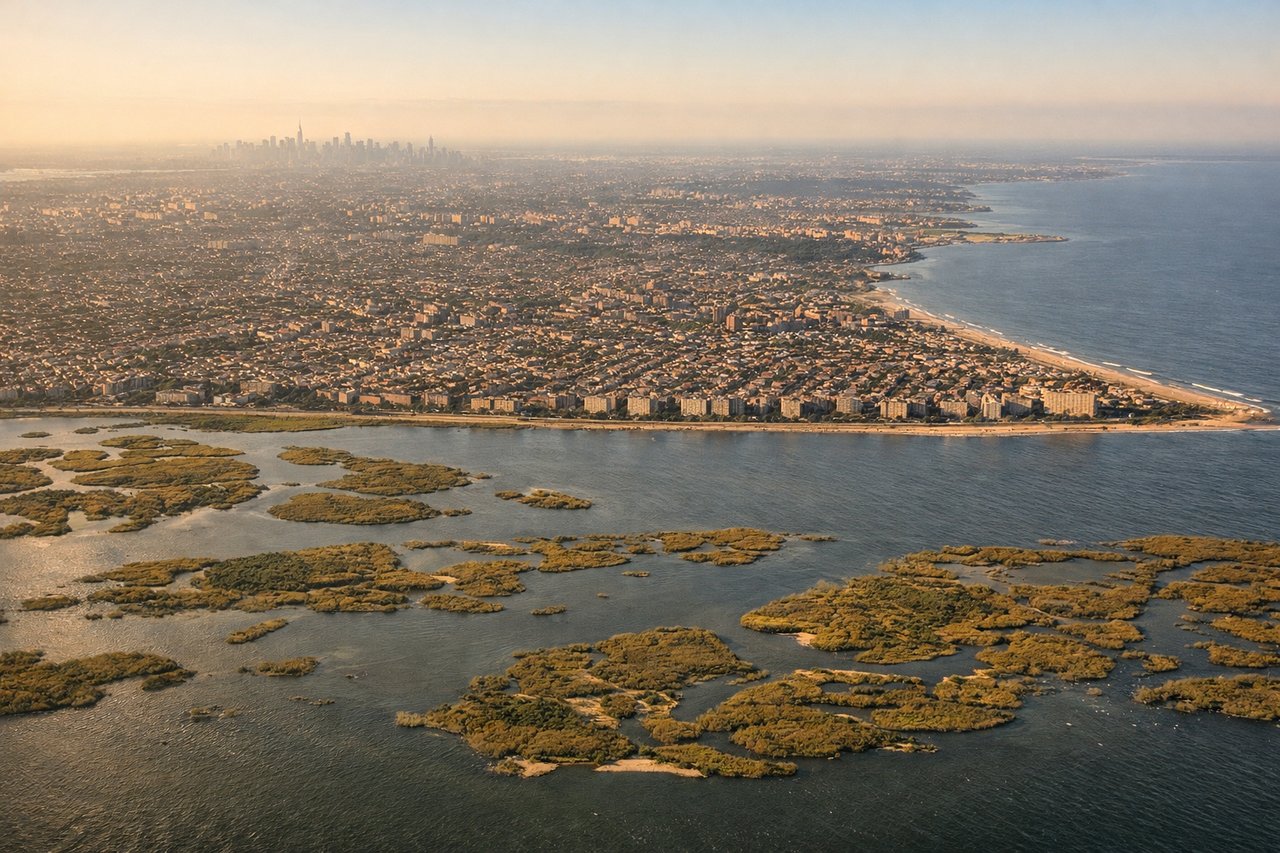
Landing at JFK
LEFTOn approach into JFK from the south, the descent path typically swings over Jamaica Bay before lining up on the runway, giving passengers on the left a clear view north toward the Manhattan skyline and the Verrazzano-Narrows Bridge. The right side mostly faces open bay and Long Island suburbs with less visual interest.
Landmarks on this routeAll landmarks →
Will your flight be in sunlight?
Pick a date and time in the Sun Map to watch the sun move across your whole flight.
About This Route
Which side of the plane should I sit on flying from La Aurora (GUA) to John F Kennedy International (JFK)?
Sit on the Left side of the plane for the best views on flights from Guatemala City to New York. The left side delivers the dramatic volcanic departure from Guatemala City and, on arrival, a rare skyline view of Manhattan and Jamaica Bay—both distinctive, named landmarks that outweigh the right side's mostly open water and flat coastal plain views during cruise.
What can I see during takeoff from La Aurora in Guatemala City?
During takeoff from La Aurora (GUA), sit on the Left side for the best views. Climbing out of Guatemala City, the aircraft's turn onto its northbound heading puts the dramatic volcanic chain—Agua, Fuego, and Acatenango—on the left side of the plane, rising sharply above the highland valley. This is a much more striking departure view than the flatter eastern lowlands visible on the right. Notable sights include: Volcán de Agua, Volcán de Fuego, Volcán Acatenango, Guatemala City highland basin.
What can I see when landing at John F Kennedy International in New York?
When landing at John F Kennedy International (JFK), sit on the Left side for the best views. On approach into JFK from the south, the descent path typically swings over Jamaica Bay before lining up on the runway, giving passengers on the left a clear view north toward the Manhattan skyline and the Verrazzano-Narrows Bridge. The right side mostly faces open bay and Long Island suburbs with less visual interest. Notable sights include: Jamaica Bay, Manhattan skyline, Verrazzano-Narrows Bridge, Rockaway Peninsula.
How long is the flight from Guatemala City to New York?
The flight from La Aurora (GUA) to John F Kennedy International (JFK) takes about 5 hours 10 minutes. The shortest flight path between them is 2,063 miles (3,321 km); winds and air traffic control usually add a few percent.
What does the Guatemala City to New York flight path pass over?
Yucatán Peninsula coastline, Gulf of Mexico open water, Florida panhandle and peninsula, Georgia and Carolina barrier islands along the Atlantic seaboard