The right side delivers the more dramatic takeoff experience with Tokyo Bay, the full city panorama, and a potential view of Mount Fuji. Over the Pacific and Alaska the views are largely symmetric, so the right side's advantage at departure tips the balance. The left side is better for landing into Boston, so if you want both, right is the better single compromise seat.
Flight Path
The great circle route from Tokyo to Boston tracks northeast over the North Pacific, passing south of the Aleutian Islands chain, crossing the Gulf of Alaska, then over southern Alaska and the Canadian Rockies in British Columbia and Alberta. The route continues over the Great Lakes region — often passing near Lake Superior or Lake Huron — before descending over New England. Expect views of sea ice and volcanic Aleutian peaks in winter, the jagged snow-covered peaks of the Alaska Range and Canadian Rockies at cruise altitude, and the vast dark blue expanse of the North Pacific for the first several hours.
Great circle distance and headings ›
.jpeg?width=600)
Phase by phase
Takeoff from HND
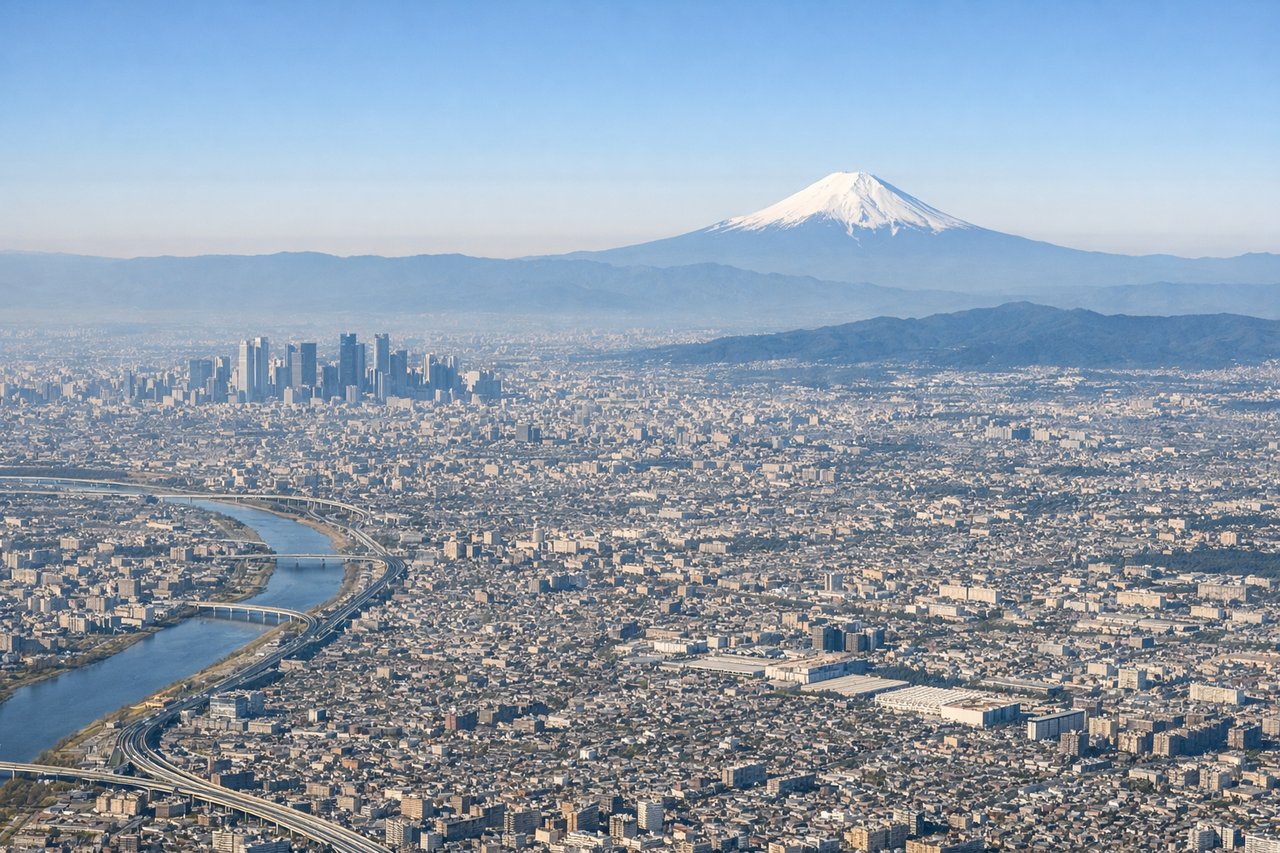
RIGHTHND typically departs northward on runways 34L/34R or eastward on 05, and a right-side seat gives you the best view of central Tokyo, Tokyo Bay, and the urban sprawl extending toward Yokohama. You'll also catch Mount Fuji to the southwest as the aircraft banks and climbs out over the bay.
Landing at BOS
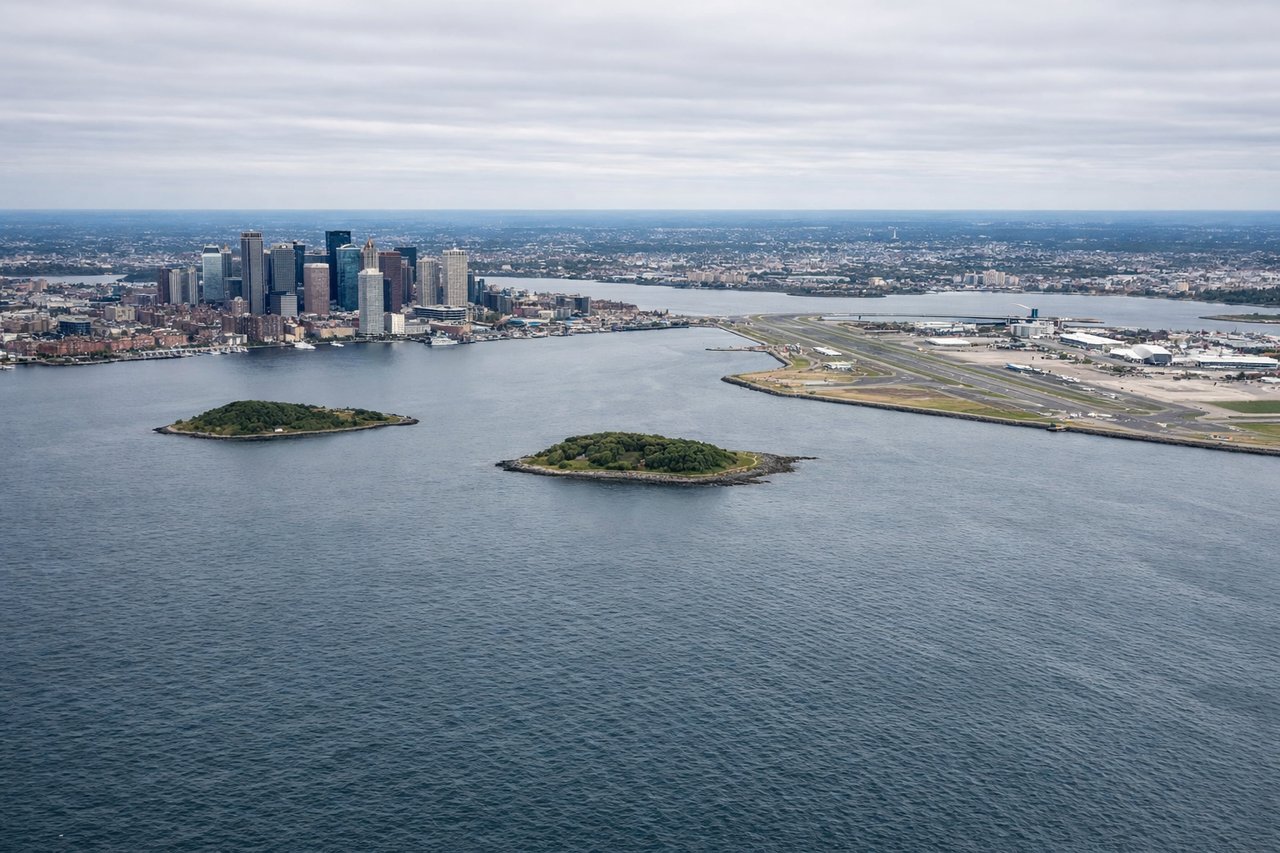
LEFTLogan Airport sits on a peninsula in Boston Harbor, and aircraft typically approach from the southwest or west on runways 04L/04R or 22L/22R. A left-side seat on approach gives you a clear view of Boston Harbor, the downtown skyline, Cambridge, and the Charles River as you descend over the water.
Landmarks on this routeAll landmarks →
Will your flight be in sunlight?
See exactly which side of the plane gets sun and shade at your departure time.
About This Route
Which side of the plane should I sit on flying from Tokyo International (HND) to General Edward Lawrence Logan International (BOS)?
Sit on the Right side of the plane for the best views on flights from Tokyo to Boston. The right side delivers the more dramatic takeoff experience with Tokyo Bay, the full city panorama, and a potential view of Mount Fuji. Over the Pacific and Alaska the views are largely symmetric, so the right side's advantage at departure tips the balance. The left side is better for landing into Boston, so if you want both, right is the better single compromise seat.
What can I see during takeoff from Tokyo International in Tokyo?
During takeoff from Tokyo International (HND), sit on the Right side for the best views. HND typically departs northward on runways 34L/34R or eastward on 05, and a right-side seat gives you the best view of central Tokyo, Tokyo Bay, and the urban sprawl extending toward Yokohama. You'll also catch Mount Fuji to the southwest as the aircraft banks and climbs out over the bay. Notable sights include: Tokyo Bay, central Tokyo skyline, Yokohama port, Mount Fuji (distant, southwest).
What can I see when landing at General Edward Lawrence Logan International in Boston?
When landing at General Edward Lawrence Logan International (BOS), sit on the Left side for the best views. Logan Airport sits on a peninsula in Boston Harbor, and aircraft typically approach from the southwest or west on runways 04L/04R or 22L/22R. A left-side seat on approach gives you a clear view of Boston Harbor, the downtown skyline, Cambridge, and the Charles River as you descend over the water. Notable sights include: Boston Harbor, downtown Boston skyline, Charles River, Cape Cod (distant on clear days).
How long is the flight from Tokyo to Boston?
The flight from Tokyo International (HND) to General Edward Lawrence Logan International (BOS) takes Approximately 13 to 14 hours.
What does the Tokyo to Boston flight path pass over?
The great circle route from Tokyo to Boston tracks northeast over the North Pacific, passing south of the Aleutian Islands chain, crossing the Gulf of Alaska, then over southern Alaska and the Canadian Rockies in British Columbia and Alberta. The route continues over the Great Lakes region — often passing near Lake Superior or Lake Huron — before descending over New England. Expect views of sea ice and volcanic Aleutian peaks in winter, the jagged snow-covered peaks of the Alaska Range and Canadian Rockies at cruise altitude, and the vast dark blue expanse of the North Pacific for the first several hours.