The left side scores marginally higher due to Tokyo's superior takeoff scenery—Tokyo Bay, urban density, and potential Mount Fuji visibility outweigh the Mississippi River's visual interest on landing. The westbound route spends most of its duration over featureless Pacific Ocean (5+ hours), which caps both sides at 2.5 maximum. Tokyo's departure is the flight's strongest scenic moment.
Flown HND to JAN? Did we get it right?
Flight Path
Tokyo to Jackson is 6,744 miles (10,854 km), a flight of about 11 hours 15 minutes.
Aleutian Islands (Alaska), North Pacific Ocean (predominantly open water with occasional weather systems visible), Bering Sea approaches, Gulf of Alaska coastline, Canadian Rockies (distant, weather-dependent), Great Plains of central North America
Great circle distance and headings ›


Phase by phase
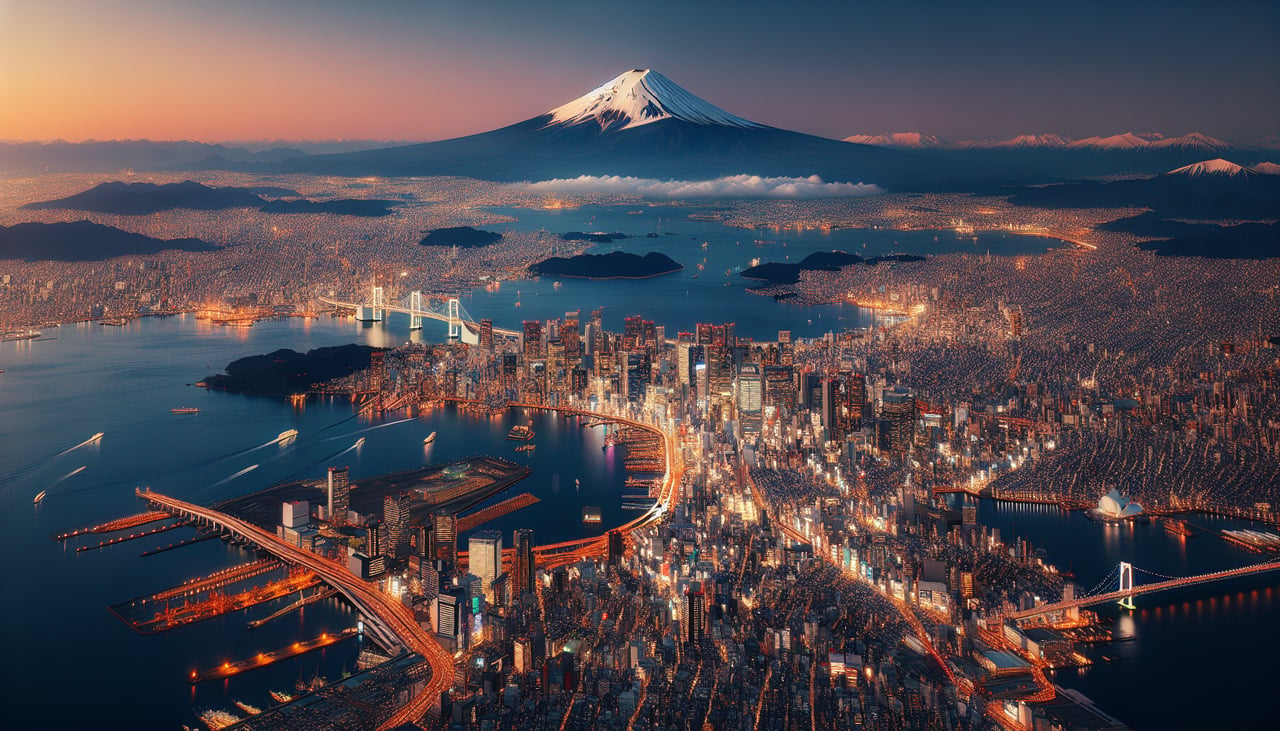
Takeoff from HND
LEFTTokyo Bay and the Kanto Plain offer urban density and coastal features during departure. Mount Fuji is occasionally visible to the west on clear days, though not guaranteed. The left side captures Tokyo's sprawl and harbor infrastructure as the aircraft climbs.
Landing at JAN
RIGHTThe Mississippi River and its floodplain create the most distinctive visual feature on approach to Jackson. The right side captures the river's meanders and the surrounding delta terrain as the aircraft descends into Mississippi. Urban Jackson and the airport approach offer some city context, though the landscape is predominantly flat.
Will your flight be in sunlight?
Pick a date and time in the Sun Map to watch the sun move across your whole flight.
About This Route
Which side of the plane should I sit on flying from Tokyo International (HND) to Jackson International (JAN)?
Sit on the Left side of the plane for the best views on flights from Tokyo to Jackson. The left side scores marginally higher due to Tokyo's superior takeoff scenery—Tokyo Bay, urban density, and potential Mount Fuji visibility outweigh the Mississippi River's visual interest on landing. The westbound route spends most of its duration over featureless Pacific Ocean (5+ hours), which caps both sides at 2.5 maximum. Tokyo's departure is the flight's strongest scenic moment.
What can I see during takeoff from Tokyo International in Tokyo?
During takeoff from Tokyo International (HND), sit on the Left side for the best views. Tokyo Bay and the Kanto Plain offer urban density and coastal features during departure. Mount Fuji is occasionally visible to the west on clear days, though not guaranteed. The left side captures Tokyo's sprawl and harbor infrastructure as the aircraft climbs. Notable sights include: Tokyo Bay, Kanto Plain urban grid, Mount Fuji (seasonal/weather-dependent), Sagami Bay coastline.
What can I see when landing at Jackson International in Jackson?
When landing at Jackson International (JAN), sit on the Right side for the best views. The Mississippi River and its floodplain create the most distinctive visual feature on approach to Jackson. The right side captures the river's meanders and the surrounding delta terrain as the aircraft descends into Mississippi. Urban Jackson and the airport approach offer some city context, though the landscape is predominantly flat. Notable sights include: Mississippi River meanders, Mississippi River floodplain, Jackson urban area, Pearl River confluence.
How long is the flight from Tokyo to Jackson?
The flight from Tokyo International (HND) to Jackson International (JAN) takes about 11 hours 15 minutes. The shortest flight path between them is 6,744 miles (10,854 km); winds and air traffic control usually add a few percent.
What does the Tokyo to Jackson flight path pass over?
Aleutian Islands (Alaska), North Pacific Ocean (predominantly open water with occasional weather systems visible), Bering Sea approaches, Gulf of Alaska coastline, Canadian Rockies (distant, weather-dependent), Great Plains of central North America