The left side delivers the flight's only real scenic highlights: Mount Fuji and Tokyo Bay at departure, a glimpse of the Korean peninsula's terrain during cruise, and Beijing's skyline against the Western Hills on arrival. The right side is dominated by open water over the Sea of Japan and Yellow Sea and flat plain on approach.
Flight Path
Korean Peninsula near Seoul, the Yellow Sea, and the Bohai Sea coastline approaching the North China Plain
Great circle distance and headings ›


Phase by phase
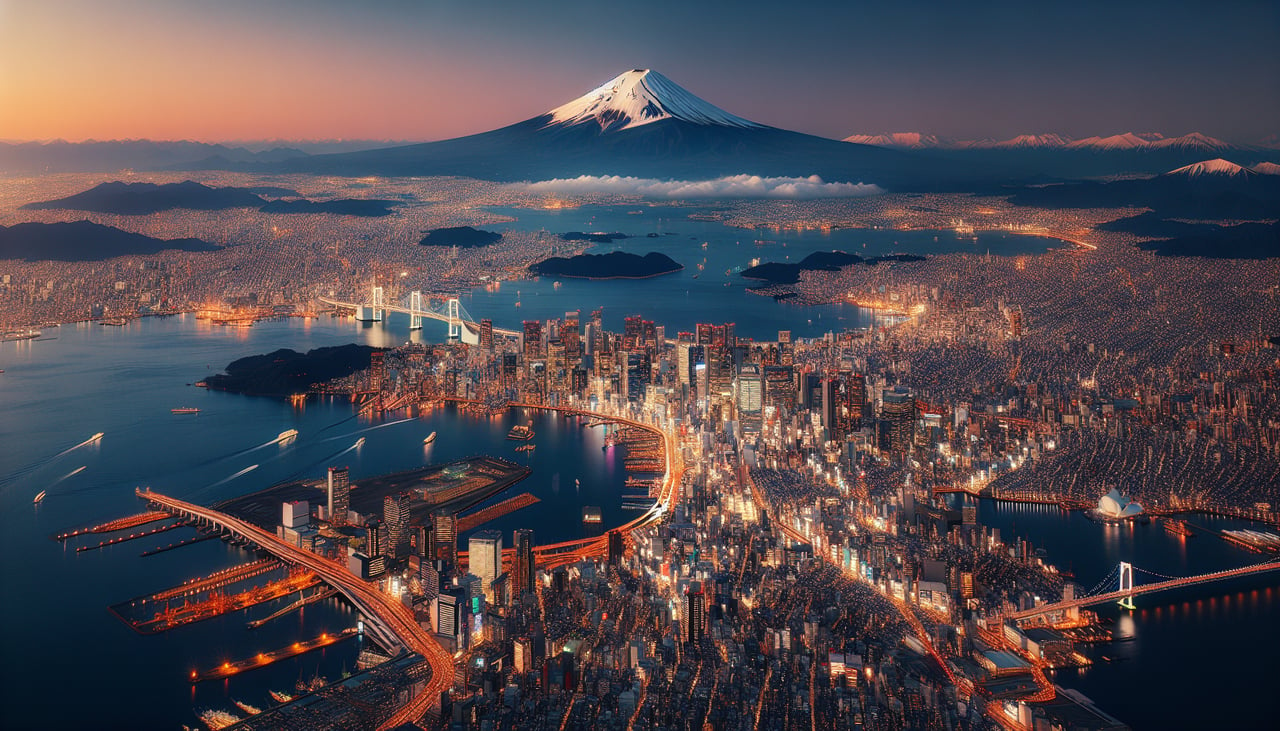
Takeoff from HND
LEFTDeparting HND to the west, the left side faces south across Tokyo Bay, giving a good look at Yokohama's waterfront and, on a clear day, the snow-capped silhouette of Mount Fuji rising on the horizon. The right side mostly shows flat Chiba/Saitama suburbs with no standout terrain.
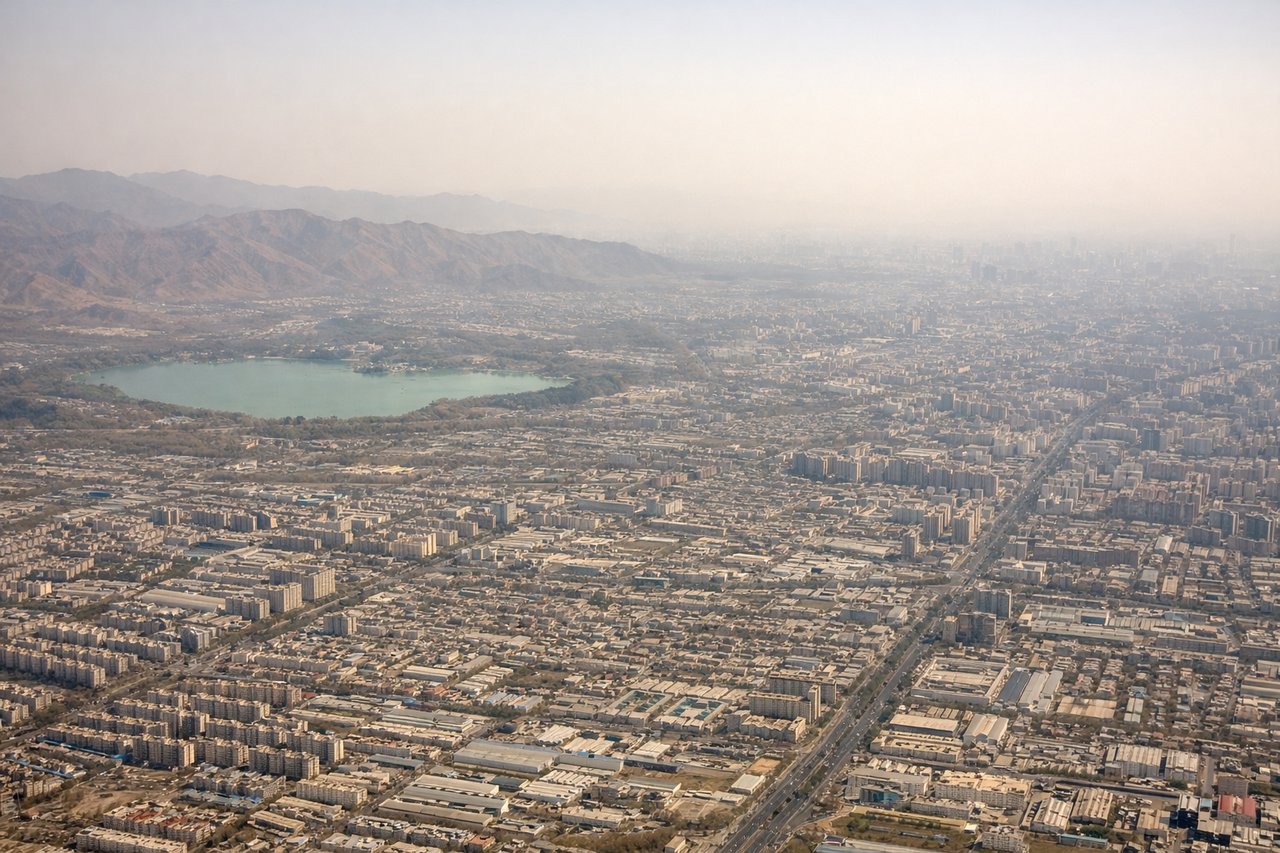
Landing at PEK
LEFTOn final approach into PEK's north-facing runways, the left side looks west toward downtown Beijing, where the CBD skyline and the city's dense grid are visible against the distant Western Hills. The right side faces east toward the flat, featureless plain toward Tianjin and the Bohai coast.
Landmarks on this routeAll landmarks →
Will your flight be in sunlight?
See exactly which side of the plane gets sun and shade at your departure time.
About This Route
Which side of the plane should I sit on flying from Tokyo International (HND) to Capital (PEK)?
Sit on the Left side of the plane for the best views on flights from Tokyo to Beijing. The left side delivers the flight's only real scenic highlights: Mount Fuji and Tokyo Bay at departure, a glimpse of the Korean peninsula's terrain during cruise, and Beijing's skyline against the Western Hills on arrival. The right side is dominated by open water over the Sea of Japan and Yellow Sea and flat plain on approach.
What can I see during takeoff from Tokyo International in Tokyo?
During takeoff from Tokyo International (HND), sit on the Left side for the best views. Departing HND to the west, the left side faces south across Tokyo Bay, giving a good look at Yokohama's waterfront and, on a clear day, the snow-capped silhouette of Mount Fuji rising on the horizon. The right side mostly shows flat Chiba/Saitama suburbs with no standout terrain. Notable sights include: Tokyo Bay, Yokohama port and skyline, Mount Fuji (distant), Boso Peninsula coastline.
What can I see when landing at Capital in Beijing?
When landing at Capital (PEK), sit on the Left side for the best views. On final approach into PEK's north-facing runways, the left side looks west toward downtown Beijing, where the CBD skyline and the city's dense grid are visible against the distant Western Hills. The right side faces east toward the flat, featureless plain toward Tianjin and the Bohai coast. Notable sights include: Beijing CBD skyline, central Beijing urban grid, Western Hills (Xishan) in the distance, North China Plain farmland.
How long is the flight from Tokyo to Beijing?
The flight from Tokyo International (HND) to Capital (PEK) takes 3h 50m.
What does the Tokyo to Beijing flight path pass over?
Korean Peninsula near Seoul, the Yellow Sea, and the Bohai Sea coastline approaching the North China Plain