The left side wins on both ends of the flight — a parting glimpse of Seoul and Incheon's islands at takeoff, Vietnam's coastline and South China Sea islands during cruise, and a mountain-to-skyline descent into Kuala Lumpur — while the right side spends more time over featureless open sea.
Flown ICN to KUL? Did we get it right?
Flight Path
Seoul to Kuala Lumpur is 2,866 miles (4,613 km), a flight of about 6 hours 50 minutes.
South China Sea crossing past the Vietnamese coast near Da Nang and Nha Trang, Con Son Island, and the approach to the Malay Peninsula's east coast near Kuala Terengganu before crossing the Titiwangsa Range
Great circle distance and headings ›


Phase by phase
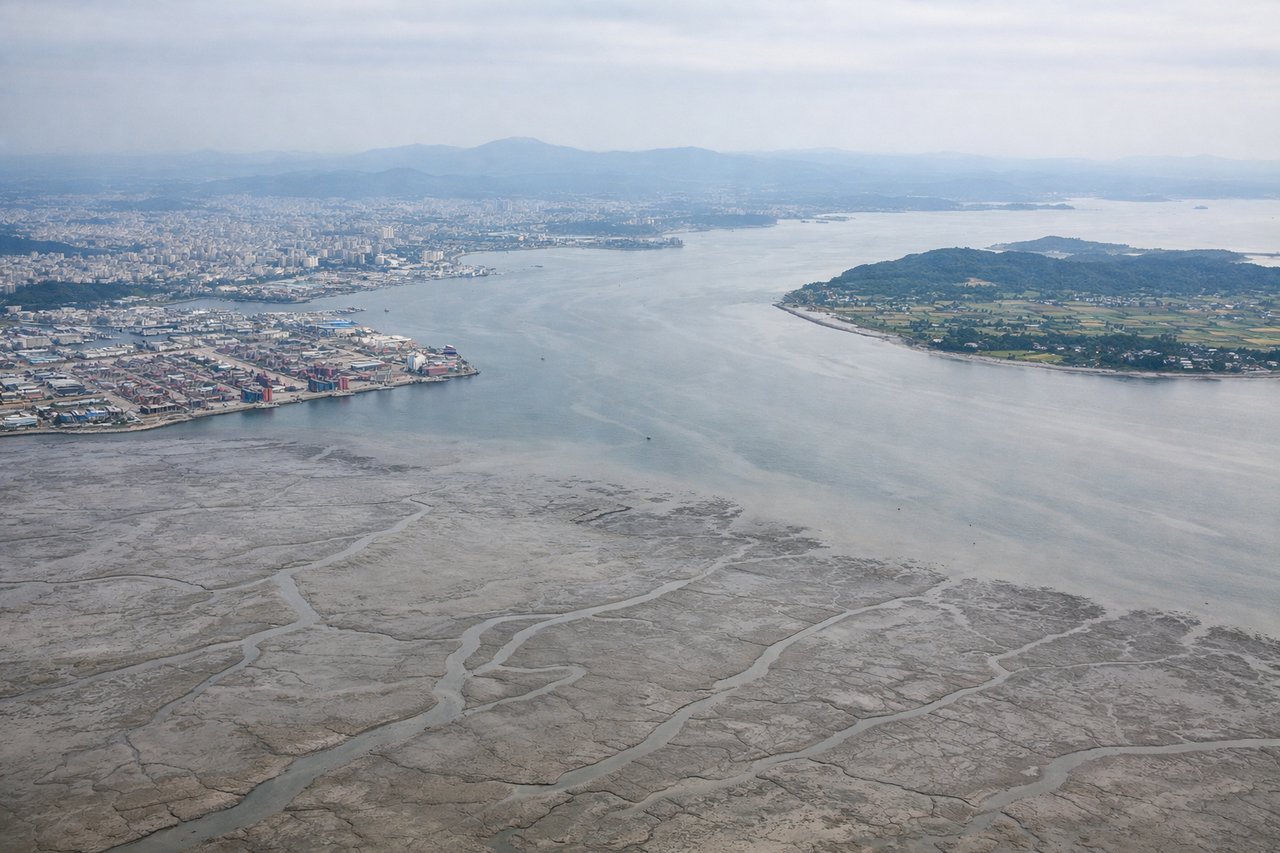
Takeoff from ICN
LEFTDeparting ICN to the southeast, the initial climb and turn give left-side passengers a brief but clear look back at the Seoul skyline along the Han River, plus the island-studded Incheon coastline (Yeongjong-do, Ganghwa-do) in Gyeonggi Bay. The right side mostly faces open Yellow Sea with little to see.

Landing at KUL
LEFTOn the descent into KUL, the flight path crosses the Titiwangsa mountain range diagonally from the peninsula's east coast, giving left-side views of forested ridgelines before the aircraft lines up for final approach, when the Kuala Lumpur skyline and Petronas Towers become visible in the distance. The right side mainly shows flatter palm-oil plantation terrain with fewer identifiable features.
Will your flight be in sunlight?
Pick a date and time in the Sun Map to watch the sun move across your whole flight.
About This Route
Which side of the plane should I sit on flying from Incheon International (ICN) to Kuala Lumpur International (KUL)?
Sit on the Left side of the plane for the best views on flights from Seoul to Kuala Lumpur. The left side wins on both ends of the flight — a parting glimpse of Seoul and Incheon's islands at takeoff, Vietnam's coastline and South China Sea islands during cruise, and a mountain-to-skyline descent into Kuala Lumpur — while the right side spends more time over featureless open sea.
What can I see during takeoff from Incheon International in Seoul?
During takeoff from Incheon International (ICN), sit on the Left side for the best views. Departing ICN to the southeast, the initial climb and turn give left-side passengers a brief but clear look back at the Seoul skyline along the Han River, plus the island-studded Incheon coastline (Yeongjong-do, Ganghwa-do) in Gyeonggi Bay. The right side mostly faces open Yellow Sea with little to see. Notable sights include: Seoul skyline and Han River, Yeongjong-do and Ganghwa-do islands, Incheon Bay coastline.
What can I see when landing at Kuala Lumpur International in Kuala Lumpur?
When landing at Kuala Lumpur International (KUL), sit on the Left side for the best views. On the descent into KUL, the flight path crosses the Titiwangsa mountain range diagonally from the peninsula's east coast, giving left-side views of forested ridgelines before the aircraft lines up for final approach, when the Kuala Lumpur skyline and Petronas Towers become visible in the distance. The right side mainly shows flatter palm-oil plantation terrain with fewer identifiable features. Notable sights include: Titiwangsa Range foothills, Klang Valley urban sprawl, distant Petronas Towers, tropical rainforest canopy.
How long is the flight from Seoul to Kuala Lumpur?
The flight from Incheon International (ICN) to Kuala Lumpur International (KUL) takes about 6 hours 50 minutes. The shortest flight path between them is 2,866 miles (4,613 km); winds and air traffic control usually add a few percent.
What does the Seoul to Kuala Lumpur flight path pass over?
South China Sea crossing past the Vietnamese coast near Da Nang and Nha Trang, Con Son Island, and the approach to the Malay Peninsula's east coast near Kuala Terengganu before crossing the Titiwangsa Range