While the ISB departure favors the left side with mountain scenery, the Melbourne arrival on the right side offers a more dramatic and sustained visual payoff — bay, city skyline, and coastline together — tipping the overall balance in favor of the right side for this route.
Flight Path
The route's midpoint lies over the Indonesian archipelago, crossing the Java Sea and the volcanic peaks of Sumatra or Java before continuing south over the Timor Sea toward the Australian mainland.
Great circle distance and headings ›

Phase by phase
Takeoff from ISB
LEFTDeparting ISB, the aircraft typically climbs southeast, putting the Margalla Hills and the forested ridge above Islamabad on the left side, with the hazy outline of the Himalayan foothills visible further north. The right side shows the flatter Potohar Plateau and Rawalpindi's urban sprawl, which is less visually striking.
Landing at MEL
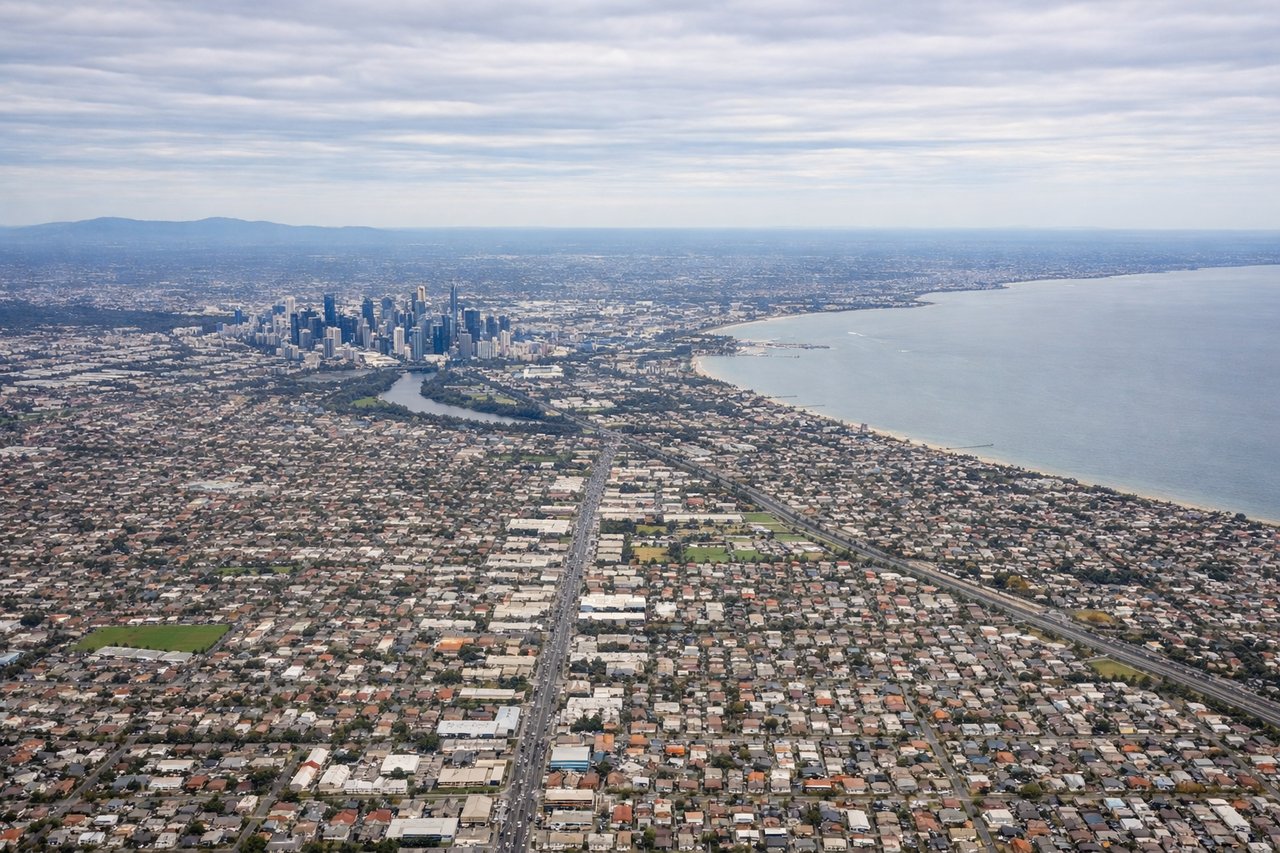
RIGHTArriving at MEL from the north after crossing the Australian interior, flights descending onto runway 16 typically bank to align south, giving right-side passengers a sweeping view of Port Phillip Bay and Melbourne's CBD skyline just before touchdown. Left-side passengers mostly see the flatter northern suburbs and farmland.
Landmarks on this routeAll landmarks →
Will your flight be in sunlight?
See exactly which side of the plane gets sun and shade at your departure time.
About This Route
Which side of the plane should I sit on flying from Islamabad International Airport (ISB) to Melbourne International (MEL)?
Sit on the Right side of the plane for the best views on flights from Islamabad to Melbourne. While the ISB departure favors the left side with mountain scenery, the Melbourne arrival on the right side offers a more dramatic and sustained visual payoff — bay, city skyline, and coastline together — tipping the overall balance in favor of the right side for this route.
What can I see during takeoff from Islamabad International Airport in Islamabad?
During takeoff from Islamabad International Airport (ISB), sit on the Left side for the best views. Departing ISB, the aircraft typically climbs southeast, putting the Margalla Hills and the forested ridge above Islamabad on the left side, with the hazy outline of the Himalayan foothills visible further north. The right side shows the flatter Potohar Plateau and Rawalpindi's urban sprawl, which is less visually striking. Notable sights include: Margalla Hills, Rawal Lake, Islamabad's green foothill ridge, distant Himalayan foothills.
What can I see when landing at Melbourne International in Melbourne?
When landing at Melbourne International (MEL), sit on the Right side for the best views. Arriving at MEL from the north after crossing the Australian interior, flights descending onto runway 16 typically bank to align south, giving right-side passengers a sweeping view of Port Phillip Bay and Melbourne's CBD skyline just before touchdown. Left-side passengers mostly see the flatter northern suburbs and farmland. Notable sights include: Port Phillip Bay, Melbourne CBD skyline, Yarra River mouth, Dandenong Ranges in the distance.
How long is the flight from Islamabad to Melbourne?
The flight from Islamabad International Airport (ISB) to Melbourne International (MEL) takes 11h 45m.
What does the Islamabad to Melbourne flight path pass over?
The route's midpoint lies over the Indonesian archipelago, crossing the Java Sea and the volcanic peaks of Sumatra or Java before continuing south over the Timor Sea toward the Australian mainland.